1707 products
Sort by:
1707 products
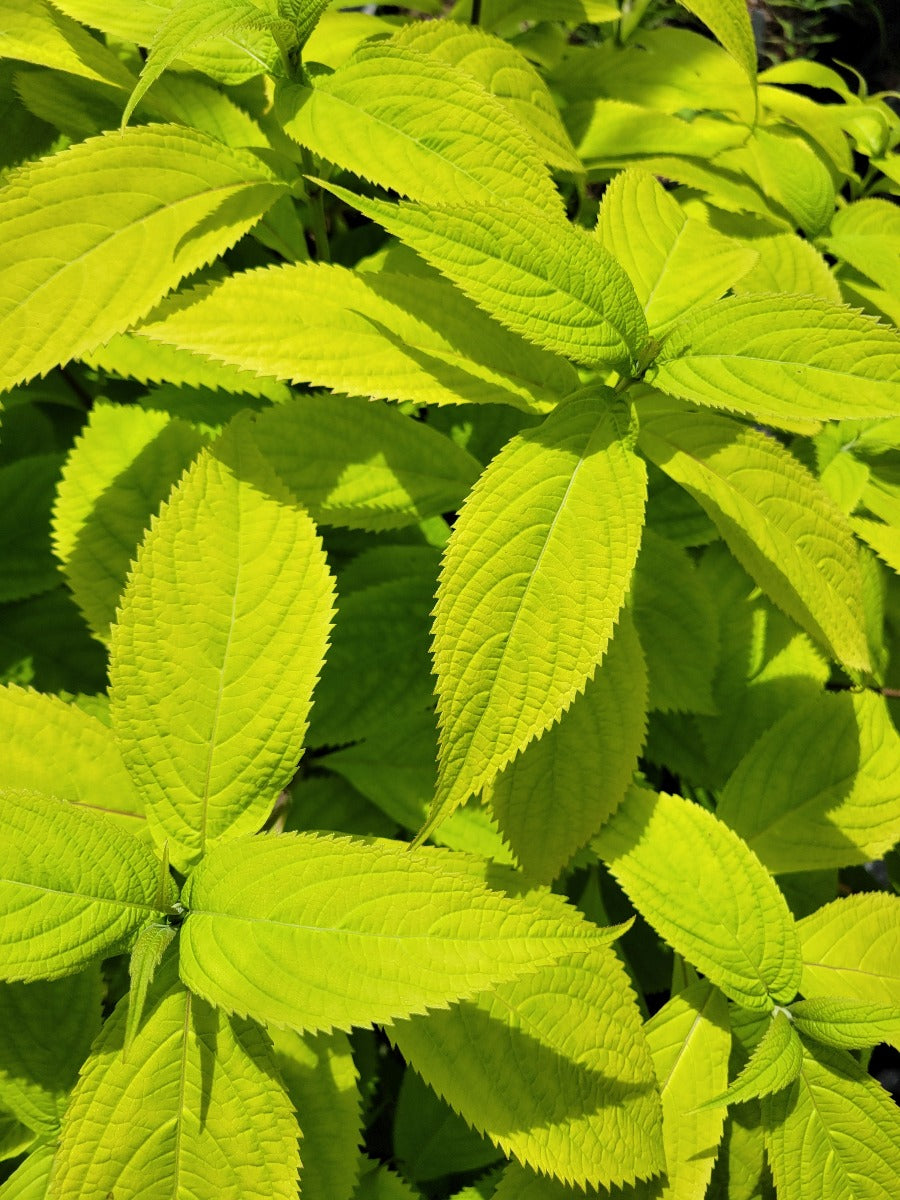
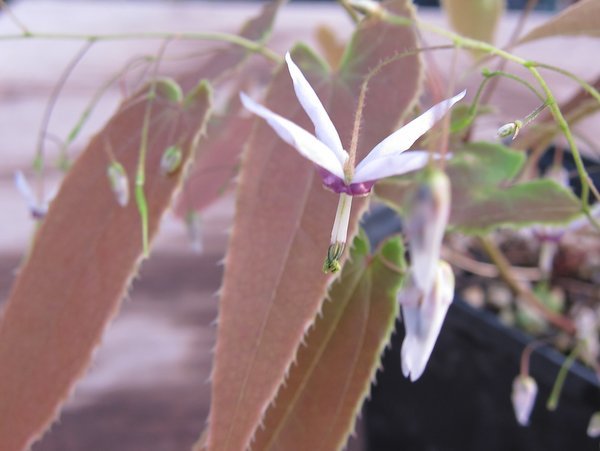
This tasteful perennial from Japan bides its time in the shade garden as the floral hoi polloi scrabble for attention during spring and summer. Once the fracas has died down, this takes center stage in September and October with its intricately constructed buds like little pieces of sculpture which open to fuzzy light lavender flowers.
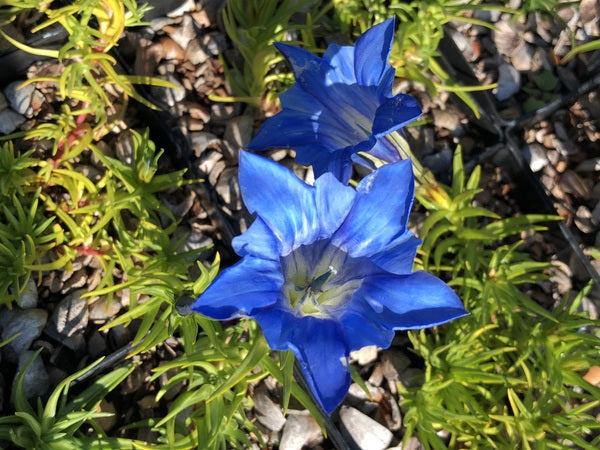
The single cousin of the more widely available double 'Eugen's Allerbester' both selections of Asiatic Gentian found and introduced by German plantsman Eugen Schleipfer and introduced to this country by Urs Baltensperger. Same stunning dark blue flowers which remain cheerily open during the late Summer season and into early fall.
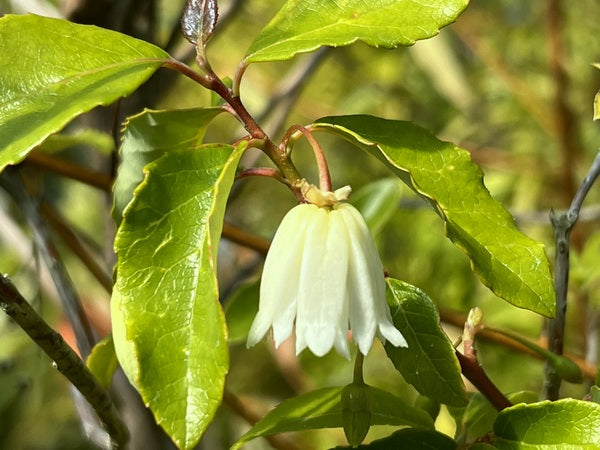
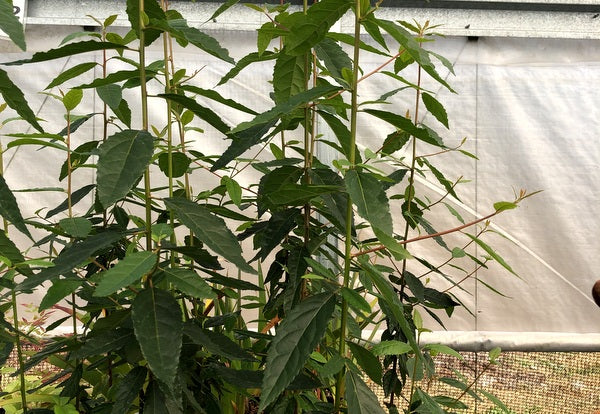
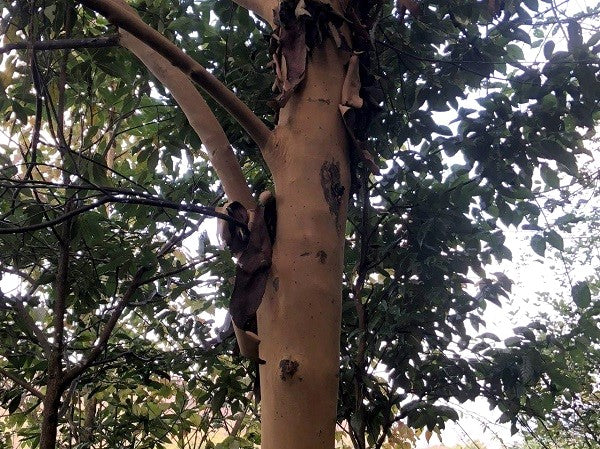
Extremely rare offering of this NW Argentina-SE Bolivia version of the Chilean Crinodendron patagua. This large shrub to small 20'-30' multi-trunked tree has evergreen leaves and small white bell flowers. Quite fast growing and is one of the primary species in the Podocarpus parlatorei forests. Time will tell on hardiness but thus far it has done well in our garden, handling the harsh temps of the 2023 winter with aplomb. These are second generation seedlings from our Argentine wild collection. A Far Reaches Botanical Conservancy Offering
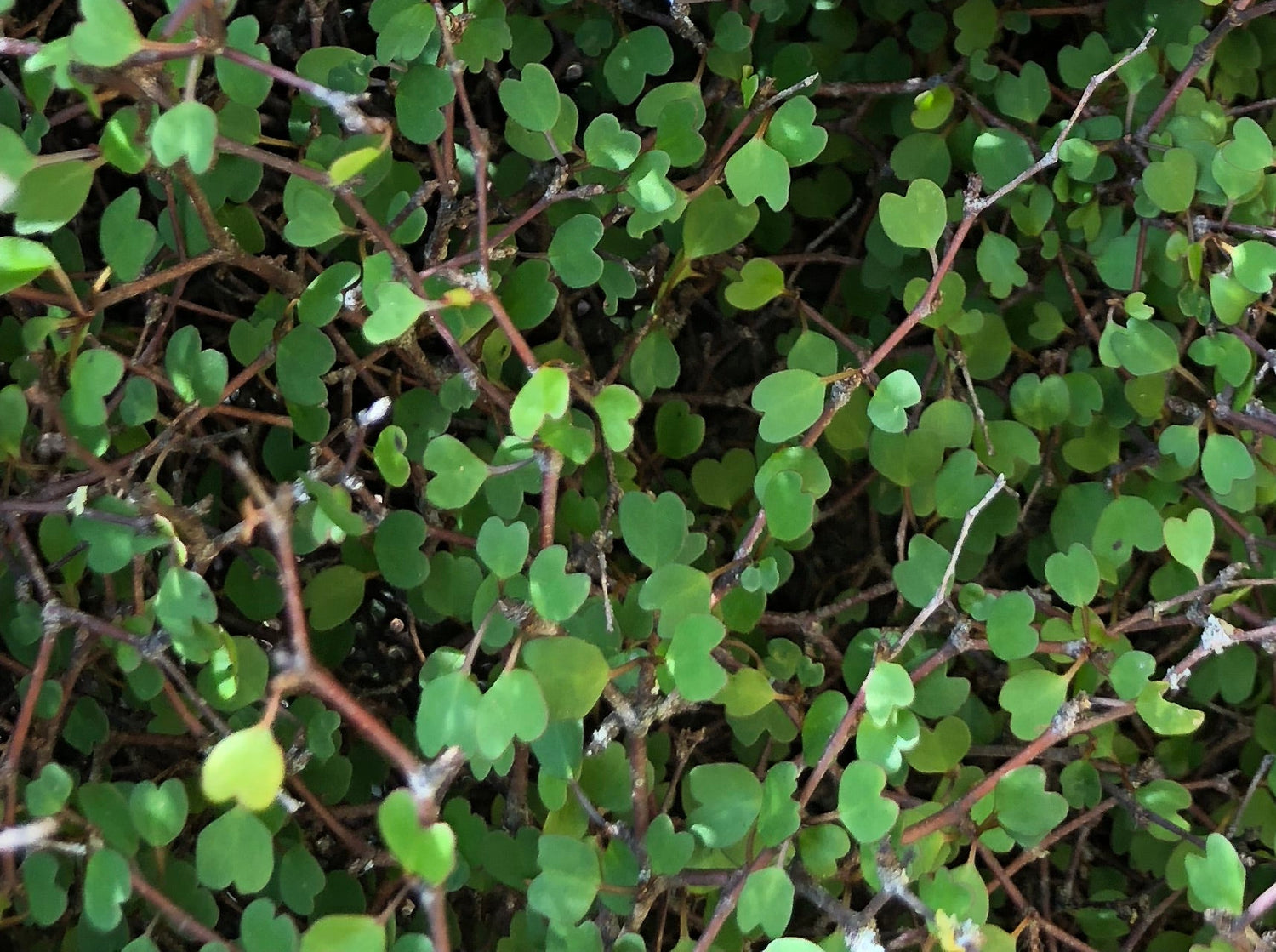
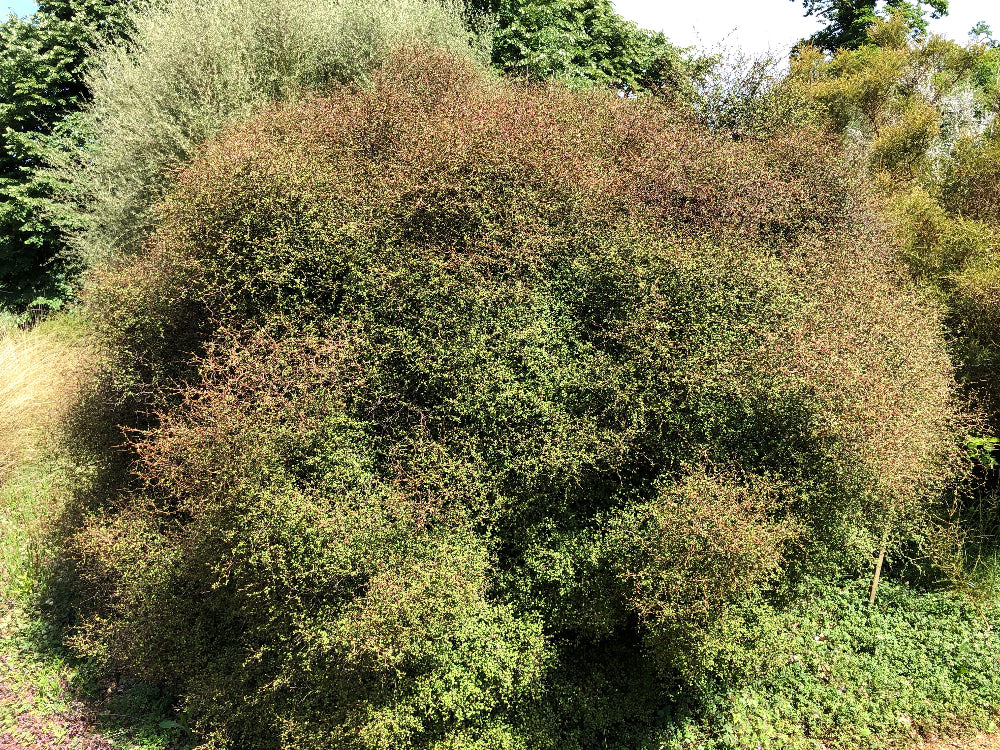
Tororaro says the matador as I charge blindly, eyes red with plant lust, wiggy-wig-ing out in my mad dash to reach shrubby divinity. Alas I come out empty handed, bashing my head against the wall of a 6b climate. Years of this until, sufficiently bloodied, my captors judged me no longer fit for service and put me out to pasture here in the milder climates of Washington. Plodding into my well-earned elysium I dropped to my knees and wept at my long-sought-after arrival in what must surely be my long-dreamed of piece of New Zealand garden utopia. The airy presence of this incredibly unique shrub will buoy you up to the heavens as well, the delightfully heart shaped leaves will fill your ventricles with joy, and the deer and drought resistance will ensure you never have to work another day in your life. More time enjoying your new Aotearoan pals.
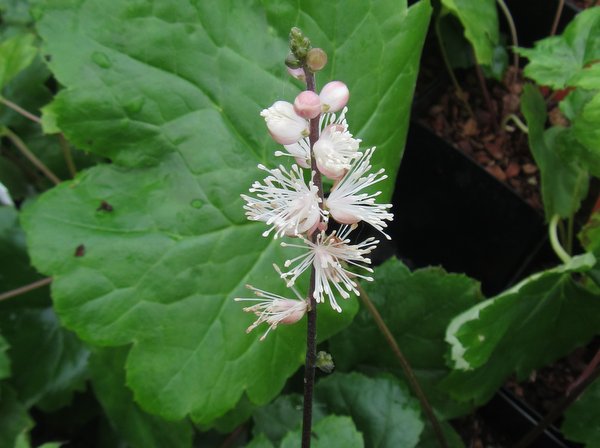
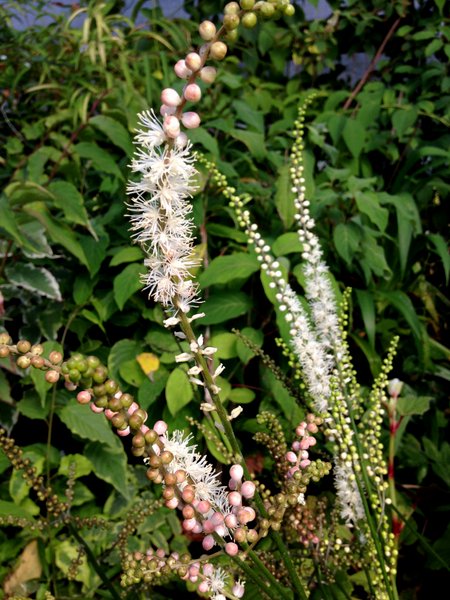
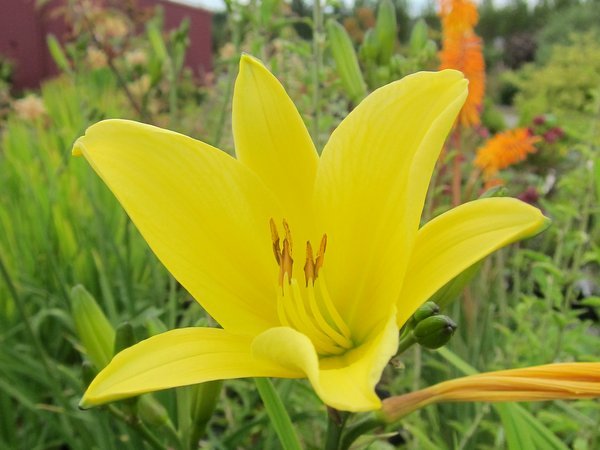
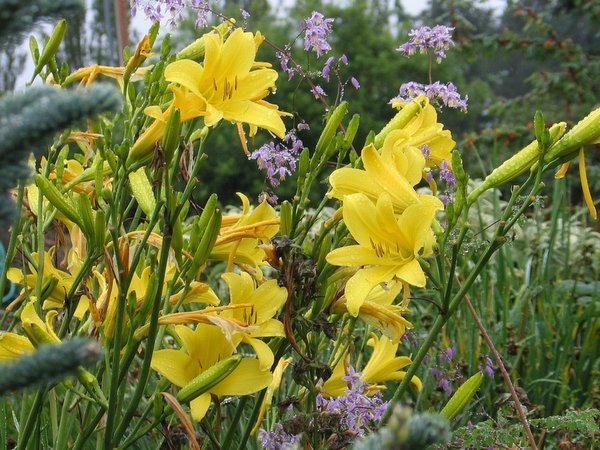
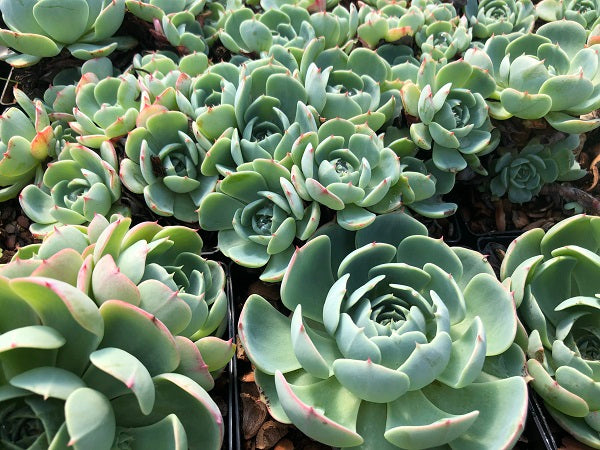
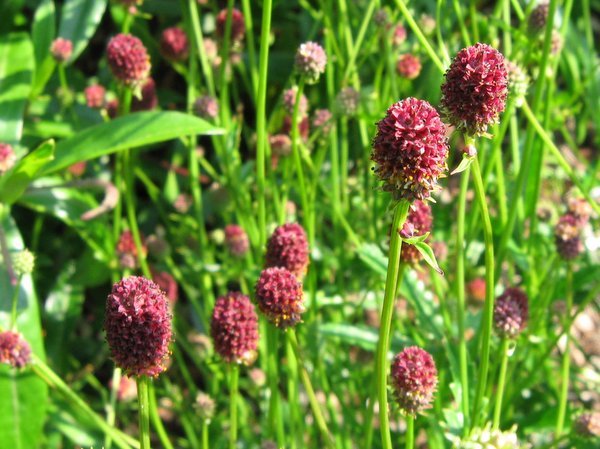

A native of the wild east of Washington state, this is one outlaw that couldn't escape the long arm of taxonomical law and its free-wheeling life as the impossible to spell Synthyris has ended in emasculation at the hands of all consuming Veronica. Cormac would weep. Nonetheless it's evergreen discs of boot-spur margined foliage and vivid purple gun-barrel flowers spikes will live on in garden legend.


A very rare member of this famously lustrous fern genus, this species is found only in two provinces of China. Possessed of delightfully round fronds that never fail to elicit cries of "that's a fern!", and that each with their glossy, pebbled texture look very much like fallen scales of some great dragon or dinosaur. The magic continues when the acrostichoid sporangia emerge, cloaking the entire back surface in what looks like fine black soot. Flora of China describes the rhizomes as long creeping but this hasn't been the case for us thus far as they have plodded along with small clumps with only a few new leaves at a time. We recently planted this out in our tufa wall and it already shows signs of increased vigor though so perhaps it just dislikes the confines of black plastic. Cold hardiness to be determined but we feel good about its chances in the PNW, a rocky substrate is desirable and a touch less moisture than most ferns.

These are yellow flowered seedlings from some of our selected varieties of this European iris which is stinkin' good like a fine Camembert rather than stinking like overripe gym socks. We haven't fruited this but we have varieties fruits in shades of orange or white. Whatever you get will have nice broad evergreen leaves and a long season of interest on a tough and reliable plant!
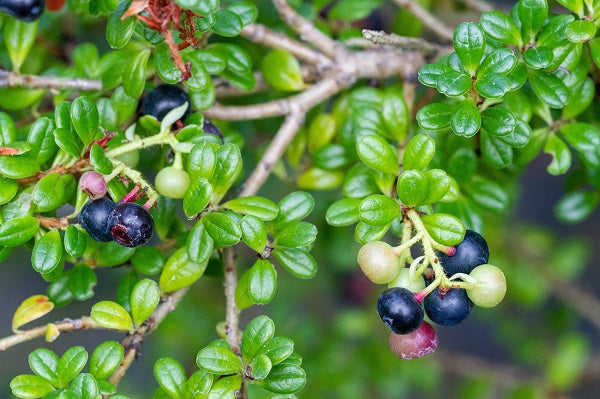
Our collection as cuttings from the Cangshan in Yunnan of an especially small leafed form of this evergreen species. Steve Hootman of the Rhododendron Species Botanical garden now and again mutters about giving it a clonal name. Probably best in a mild garden.

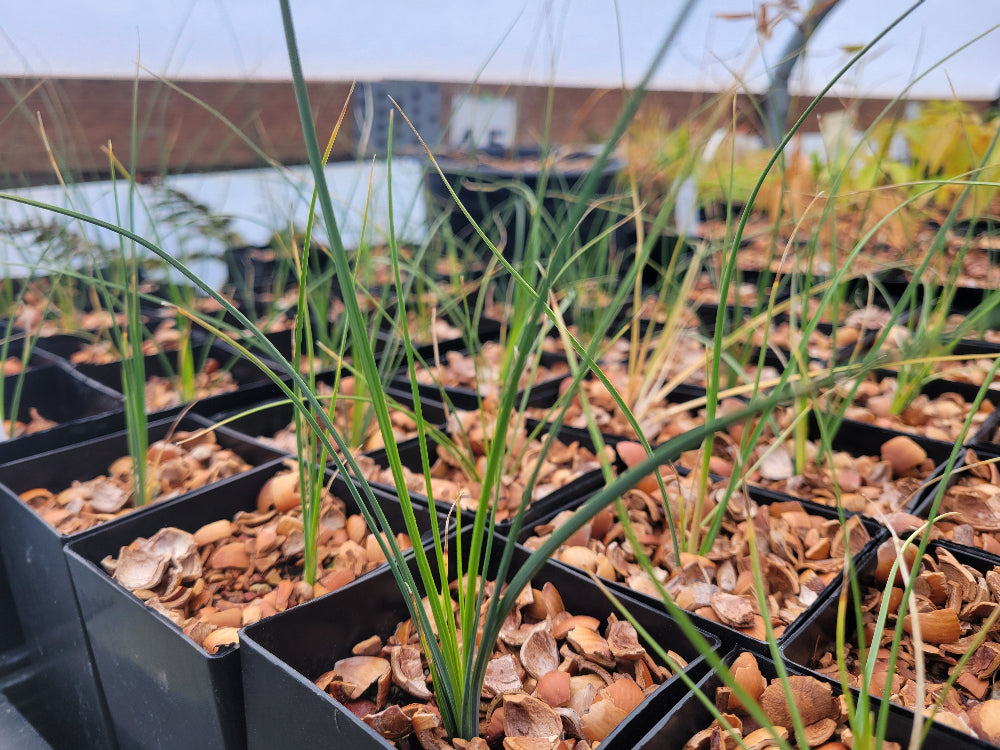
Tufty Southwest U.S. native that is every bit as drought tolerant as it looks. Thinner blades than other species lending it a grass-like texture that belies the architectural spires of white flowers that can double the size of the foliage for an impressive 6-7' display. A sleeper cell ready to deliver unexpected wham in your xeric landscape.