
1707 products
Sort by:
1707 products

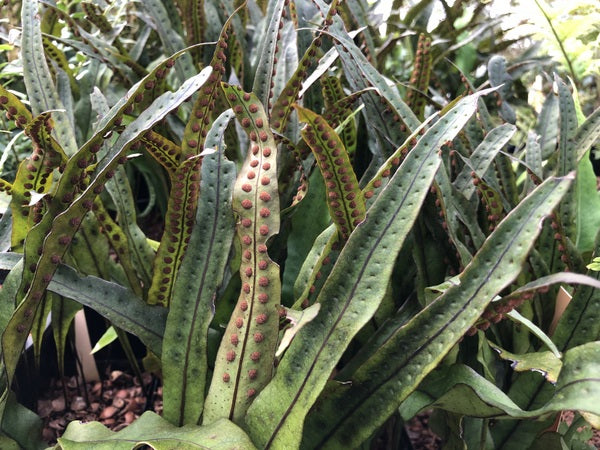
Long confused with Pyrrosia lingua or simply listed as Pyrrosia sp. there are a few collection of this species floating around the PNW, the key to distinguishing is the fluffy fuzzed rhizomes and the wide prominently veined fronds. It has proved quite vigorous here in pots growing quickly on long rhizomes and would make an excellent stumpery subject as I suspect it does the Rhododendron Species Botanical Garden. This particular collection hails from North Vietnam and while we haven't yet trialed it outside we expect it will prove hardy here.
A Far Reaches Botanical Conservancy Offering


Usually its the human doing the charming in the interspecific courtship with snakes but this poker has us undulating out from our woven basket docile as can be. The flute-song of its red-orange-white gradient lulls not only us into quiet bliss but a variety of pollinators as well. Tough and strong growing, a good old hybrid from Bressingham Blooms in England.


We collected this on the lower slopes of Mt Japfu in Nagaland where it was creeping on the shady forest floor with white veined leaves. 4-merous small white flowers and fruit a reddish orange pea. Plantsman extraordinaire Jens Nielsen pointed us in the right direction on the ID after much anguished and fruitless hunting that led us to offer this previously (and infamously) as "no idea yet". Zone 9 vine.
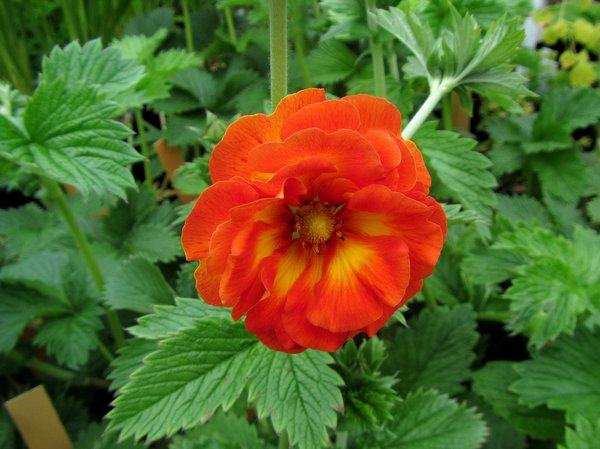


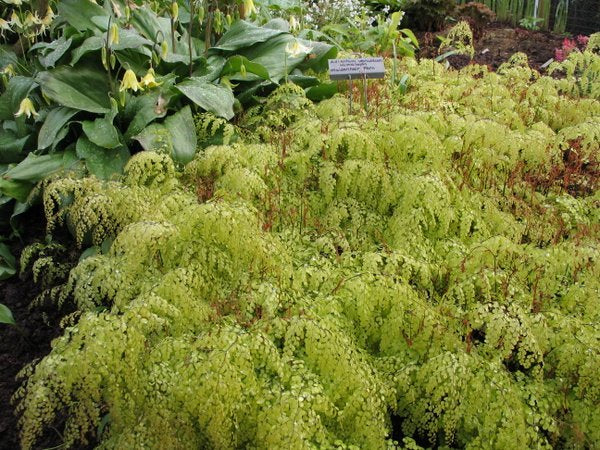
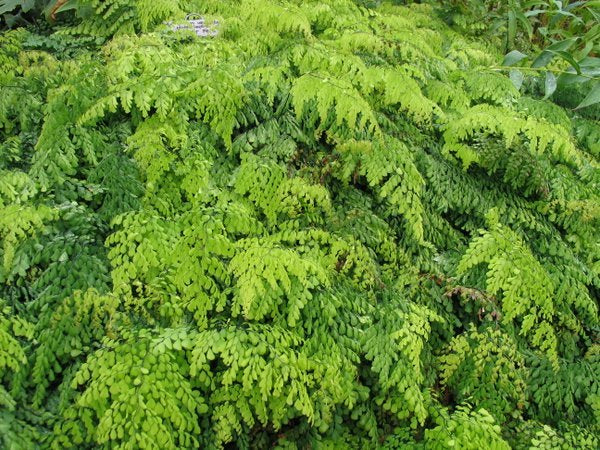
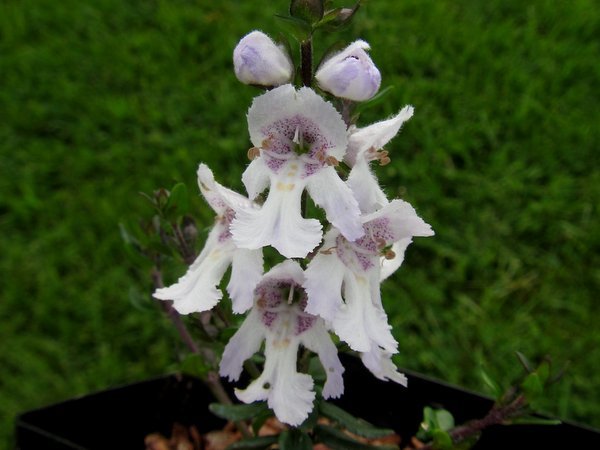
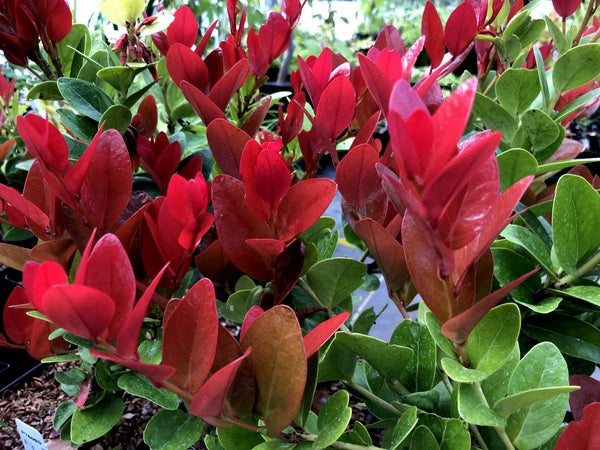
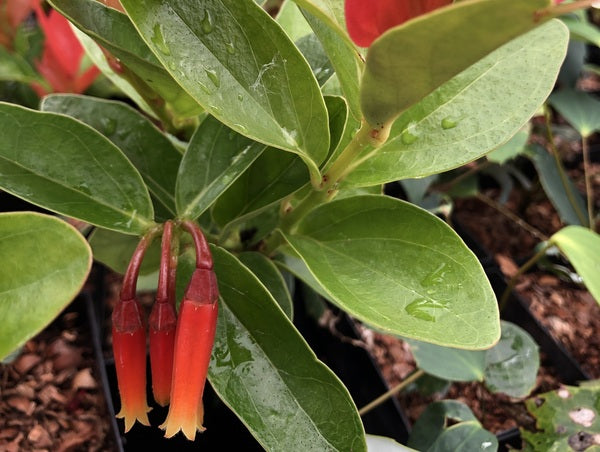
This Central American epiphytic blueberry relative calls the cloud forests home and enjoys cool conditions with no frost. Brilliant red new growth, tubular soft red flowers with red calyces followed by darkly intriguing fruit. Will develop a caudiciform lignotuber in time. This is a visual feast for months on end.

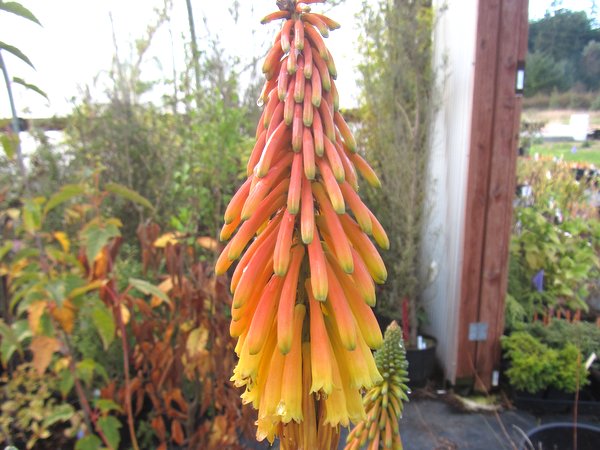
The sole survivor of a wild collection from Southern Kenya this is likely the first offering in the US of this selection which we brought back from Michael Wickenden's Cally Gardens in Scotland. Distinct brown-orange buds on this clone open to muffled yellow-apricot flowers in which the individual corollas are more densely packed than those found in other K. thomsonii a la 'Stern's Trip'.

