1707 products
Sort by:
1707 products

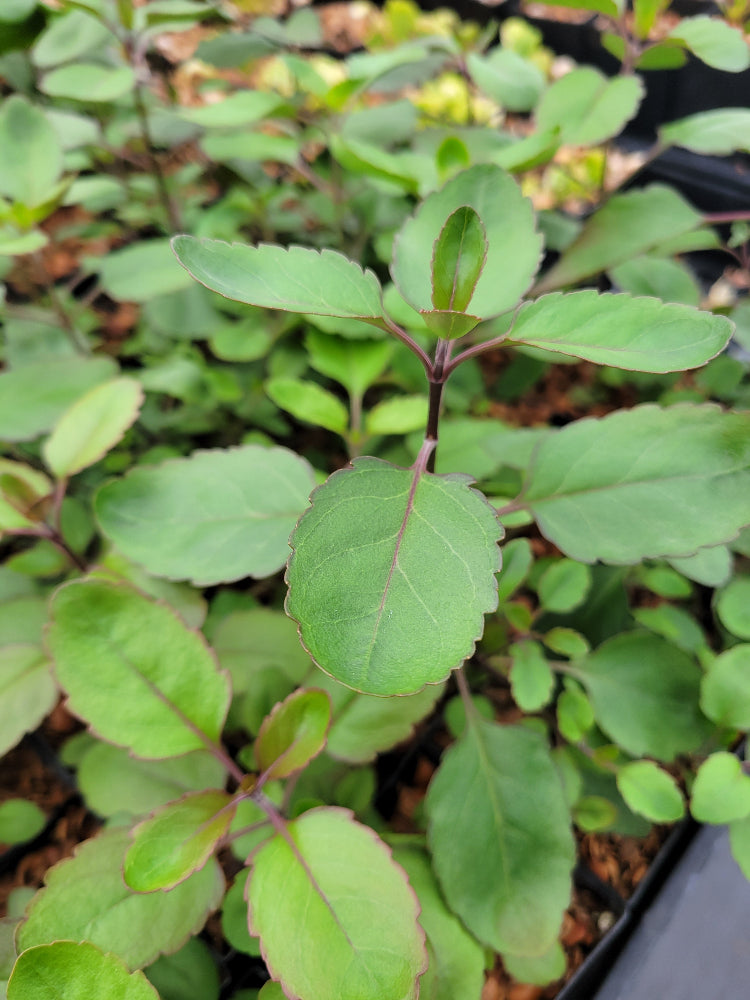
We invite you to try this rarely if ever seen New Zealander with us! A small to medium shrub of lax habit with glossy evergreen leaves slightly toothed at the ends that give it an overall softer look than many other Hebes. The true star that drew us to a small batch of seed is the impressive inflorescences of lavender flowers that emerge in Summer. Reports of hardiness vary widely but we are determined to see for ourselves and are banking on you, our bold and foolhardy customers to follow us once more into the breach. Best grown in a sunny well-drained spot, and wouldn't mind some extra warmth from some cozy rock neighbors.
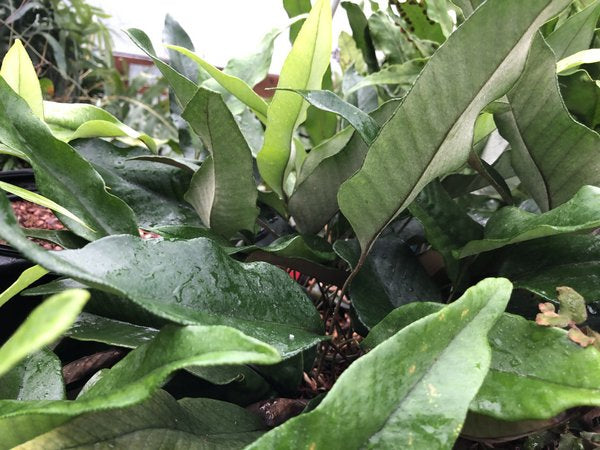
Our collection from Asia of this foremost member of one of the supreme evergreen fern genera. A great introduction to epiphytic fern growing this glossy fronted, and felt-backed tongue fern trails on thin rhizomes to cover rocks and stumps, though its equally happy in a pot. This formed an impressive colony on the bluff overlaying a partly shaded large rock slab where it would endure periods of dry. Vigorous! Good drainage is important.
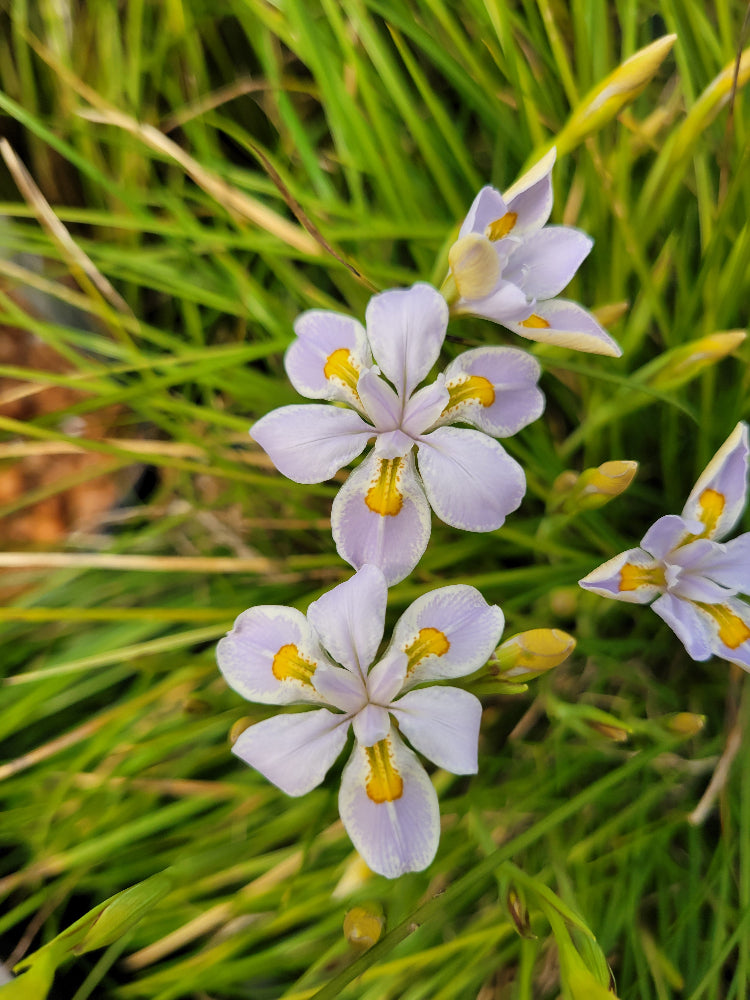
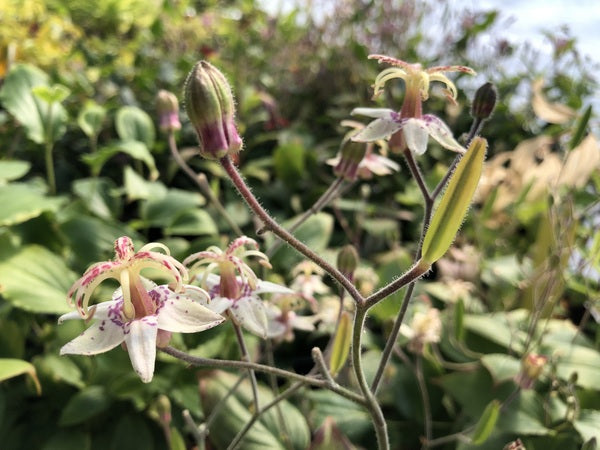
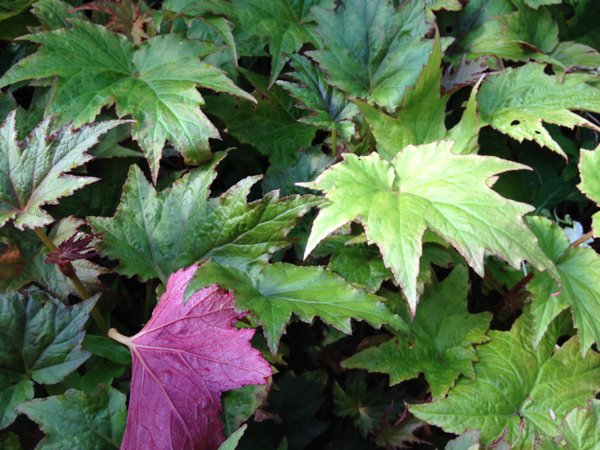
Toad Lily. Our collection from Asia this toadie was found on the lower flanks of the mountain we were exploring where it favored openings in the forest where it got dappled light and a brief bit of direct sun. Distinct softly haired velvety leaves with white flowers ruby spotted on the reflexed tepals curving down below the jester's cap of similarly colored naughty bits.


Chance variegation is usually a study in false hope with excitement and wonder quickly giving away to disappointment and a sense of betrayal by the universe when reversion takes hold. You find yourself wailing "Plants never change" to your tween bestie over the phone as you flail on your quilted coverlet, makeup streaking down your eyes. Meanwhile your friend at the nursery down the road got his smoking-hot variegated Hellebore to quit its philandering hybridizing ways to settle down into a profitable marriage with his tissue culture lab. Well for once its our chance for the meet-cute romantic comedy of our dreams! The thick stripes of creamy yellow on the leaves of this Heloniopsis have shown no signs of triggering our abandonment issues for years now and we are finally confident enough to introduce it to our parents...I mean customers.
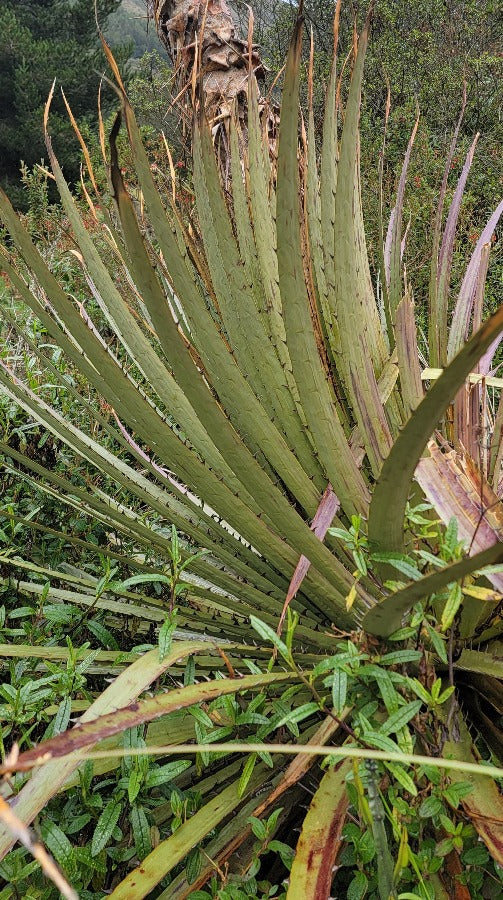
Collected in Ecuador at nearly 12000', this bromeliad will certainly tease with possibilities of hardiness. The stiff evergreen sword-like leaves are well-protected by evenly spaced sharp teeth which are the pinnacle of personal protection against herbivory. Critically, they guard against unwanted advances upon the infrequently produced stiff flower stem whose stoutly erect bearing is regarded either as a triumph of botanical engineering or the epitome of salacious horticultural projecting. The many stemless flowers were not seen but are arranged in stimulating tight spirals up the upper half of the thick vertical shaft. Growing on slopes in the humid páramo zone of mixed grass-forb-shrub communities with wide temperature swings and ample water from rain, clouds, fog and frost.

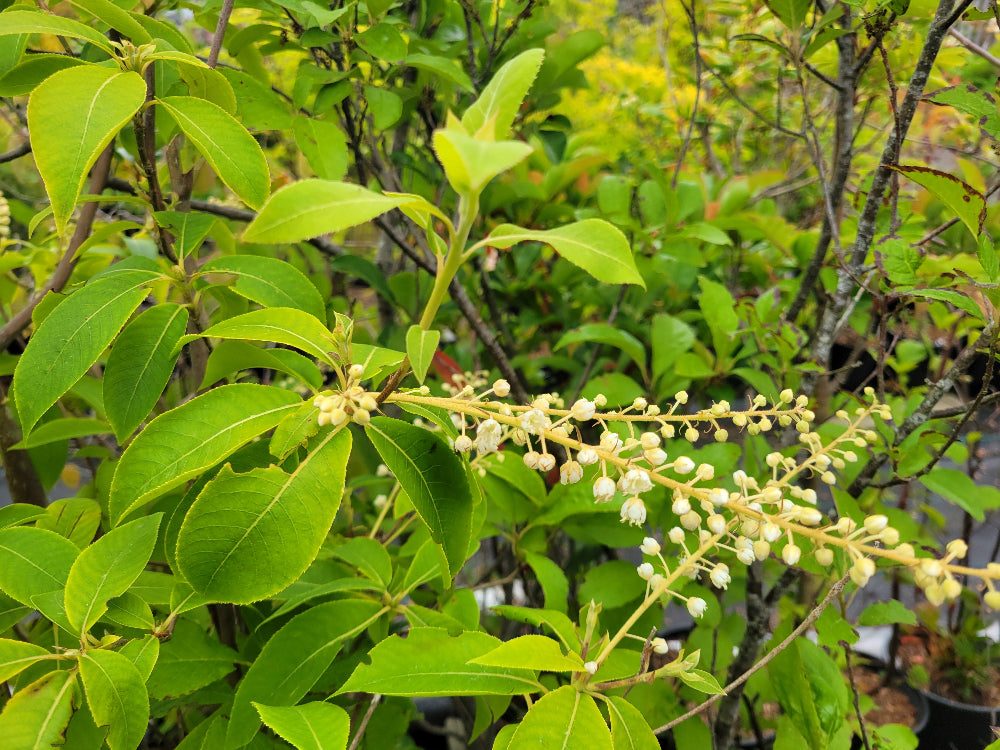
A seldom-seen species of Sweet Pepperbush from our seed collection in the wild where it was leafless branches and a multiplicity of finger-like panicles bedecked with small seed capsules. This has proven itself in the garden here with a profusion of summer white flowers literally alive with pollinators. This species can become a tree but this collection is currently a large shrub.

Alpine ferns, full-sun ferns, NZ ferns are all underrepresented in US cultivation. This species and even more broadly this genus are completely unrepresented as far as I can tell. Named the thousand-leaf fern for its finely divided appearance, it can be found high in the mountains of Aotearoa scrambling in between rocks where it forms dense low clumps, a habitat betrayed by its distinctly fuzzy texture. Happy in sun with sharp drainage and though its considered semi-evergreen it goes dormant for us in the greenhouse during winter and will likely doubly do so with outside temps. Hard to say on hardiness given the scarcity but we are betting on 8a at least.
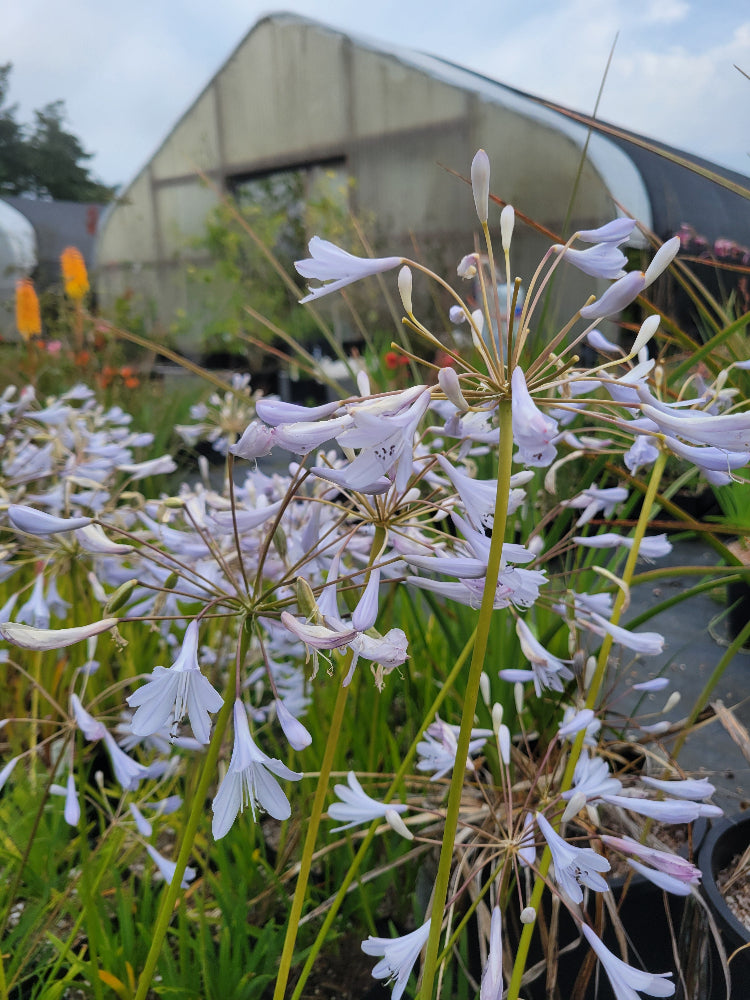
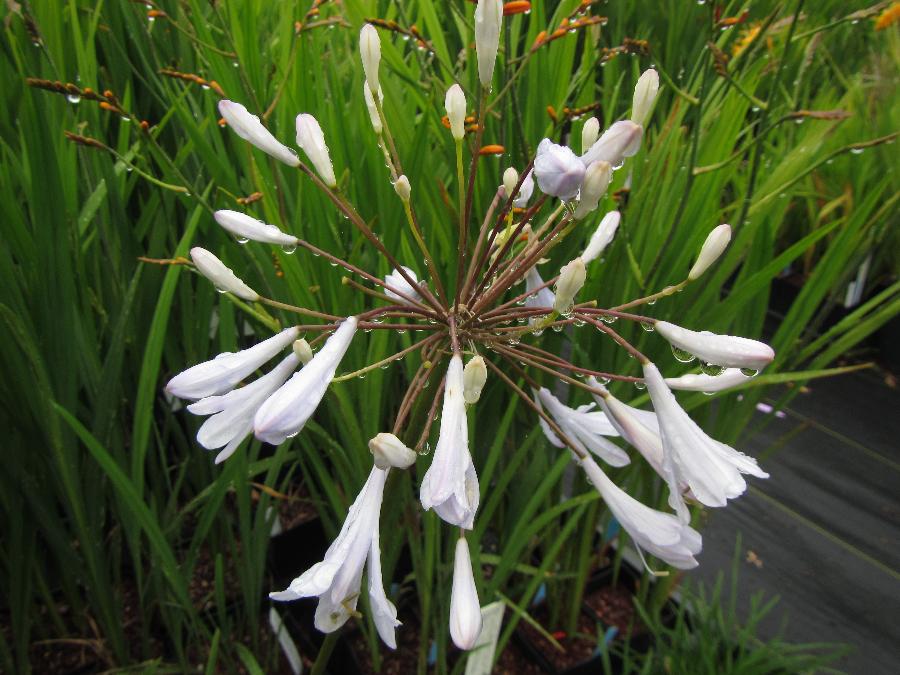
Eschew any traditional 25th anniversary gift in favor of this Agapanthus introduction of UK national collection holder Hoyland Plants. Elegant white flowers with a tinge of blue that lend it the argent look and a relatively compact form make for a classier present than excessive jewelry or dishes anyway.


This hybrid offspring of Primulina 'Hisako' is notable for its silver lined foliage reminiscent of ghostly sidewalks on full moon nights. Large purple flowers and compact form round out the package.
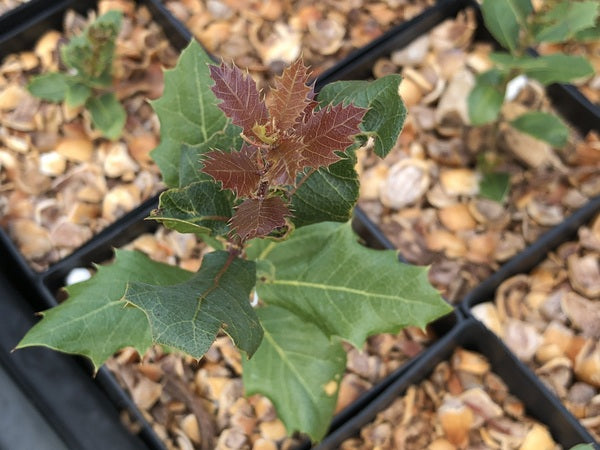
Interior Live Oak. Broadly distributed throughout
California, from the coast to the foothills of the Sierras, this species is highly
adapted to dry conditions. Evergreen, with leathery, rich green and shallowly
toothed leaves. Thanks to xeric plant guru Ian Barclay of The Desert Northwest for sharing his acorn collections.


Small cutting-grown plants of this truly alpine Rhododendron growing in the highest reaches up to 15,000’ Myanmar, China and Arunachal Pradesh. Our old plant came from our dear departed friend June Sinclair, who was one of the first plant hunters in China when this opened up in the 1980’s. Very small leaves back small perky purple flowers that universally delights while expanding your concept of what a rhododendron should look like. Light shade to some sun and appreciates moisture-retentive airy soil as it comes from summer monsoon climates. These are wee plants but well worth the wait.

Big fan of these underrated little herbaceous doers, was an even big fan when they were under the phonetically delicious Zauschneria. Mounds of silvery foliage topped for an impressively long period in the late summer and fall with salmon pink tubular flowers very similar in appearance to a salvia. That long flowering and flower form also mean they are a delight for hummers. California native and the Sierra should give you some hint to cultural requirements, does well in well-drained and even rocky soils, drought tolerant but not averse to some moisture, at the same time it doesn't want wet feet. Provides a lot that we will be in need of with changing climates, especially in the rain shadow (deer resistant to boot) so we're hoping to see more of it out and about!