97 products
Sort by:
97 products

It's always a bit of a point of shame when we export a U.S. native from the UK, but we must say it certainly hurts a little less when it comes from someone like Sir Peter Cox of Glendoick. One can even forget the pain entirely when the plant in question is as dashingly handsome as this one. A bleeding heart with a real emphasis on the bloody side of the equation with the usually pink flowers donning a deep carmine robe that lends them a sultry romanticism. The rest is familiar but for good reason, finely cut blue-green leaves and a strong spreading habit.
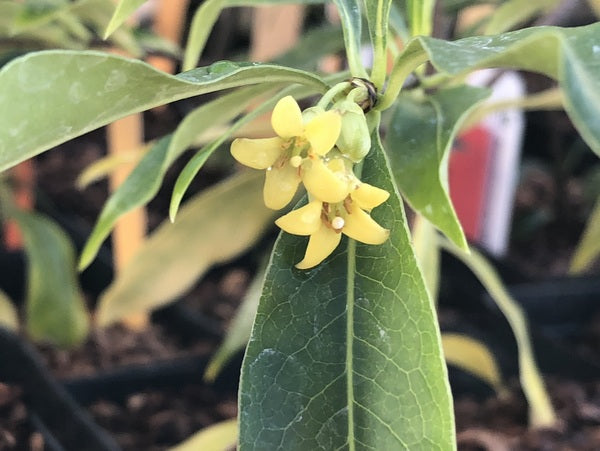
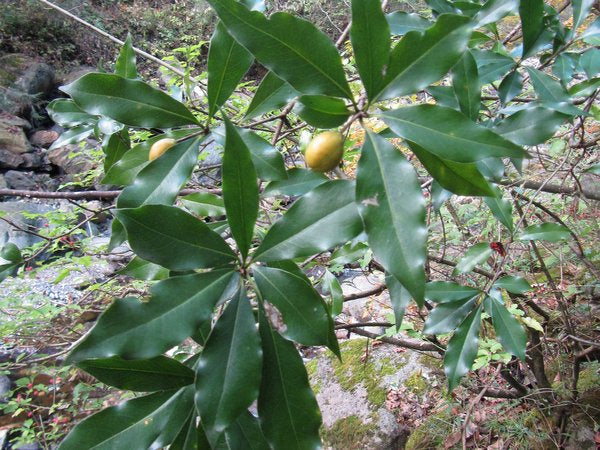
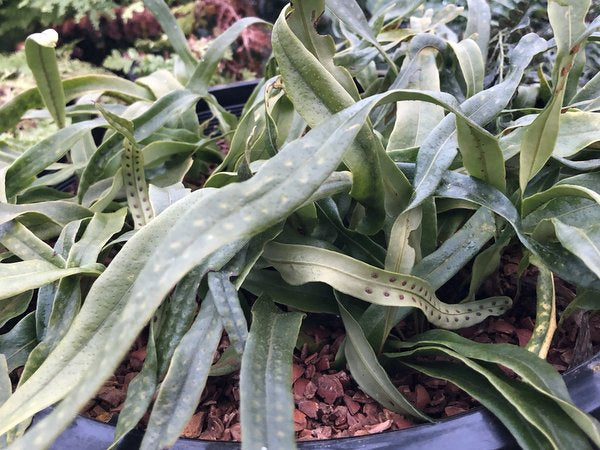
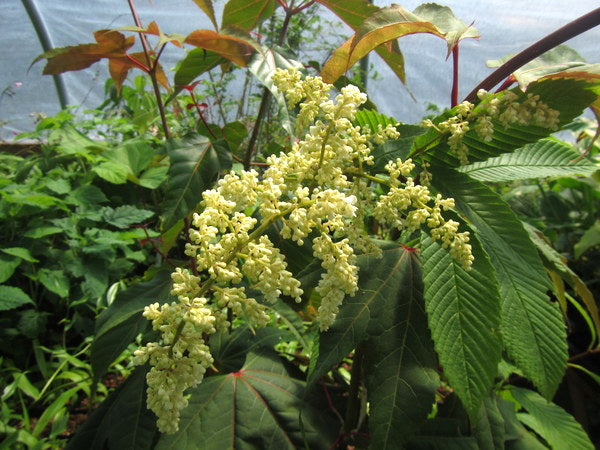
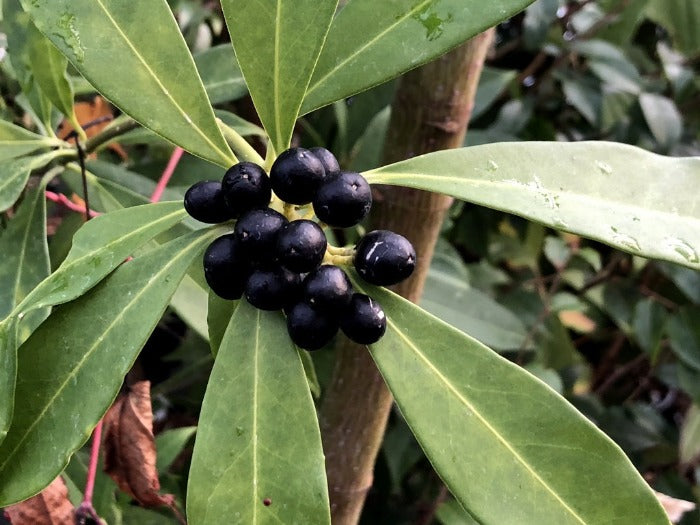
We have not keyed this Chinese species yet but it is on the docket. This was a small tree growing in bamboo and mixed forest at good elevation. The leaves are glossy and attractive but the almost lilac-like heads of white honey-scented flowers are the thing. Small shiny black fruit. A Far Reaches Botanical Conservancy Offering
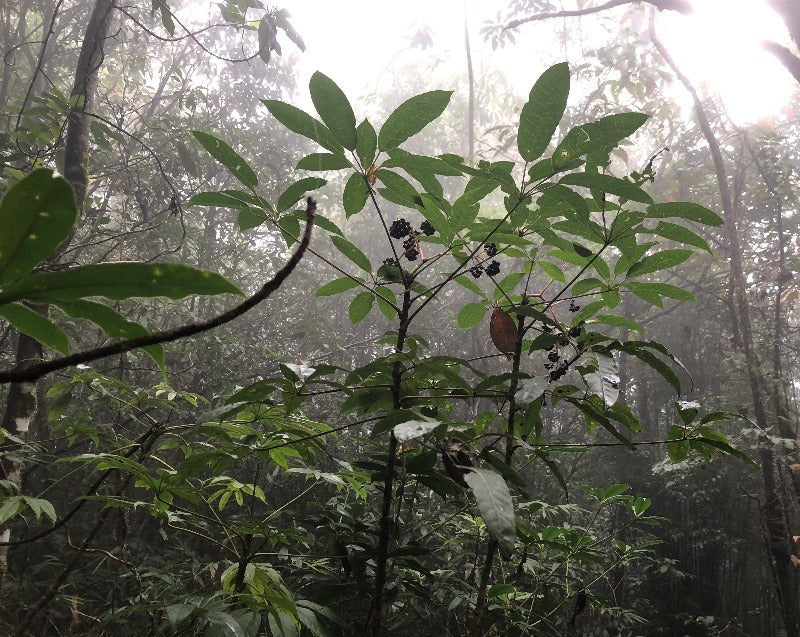
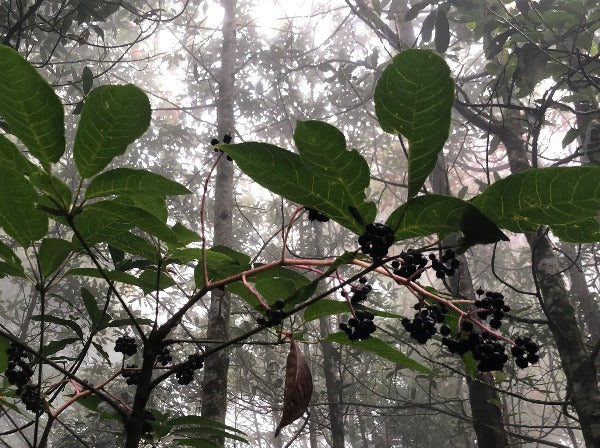
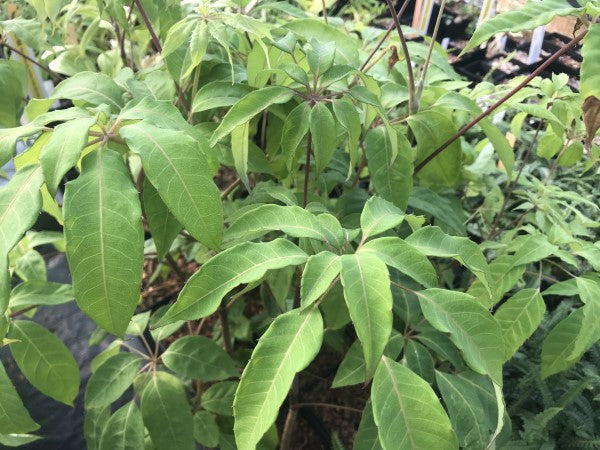
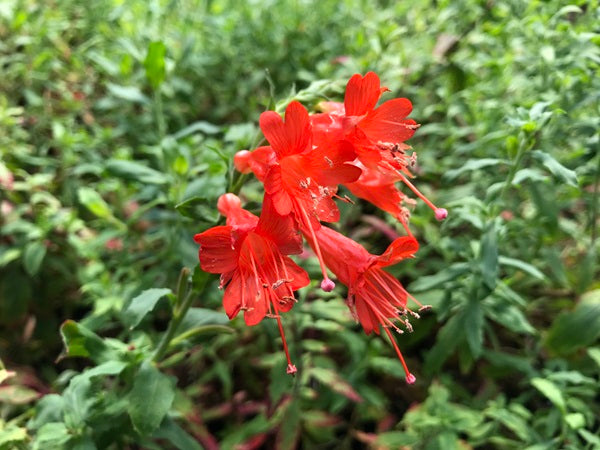


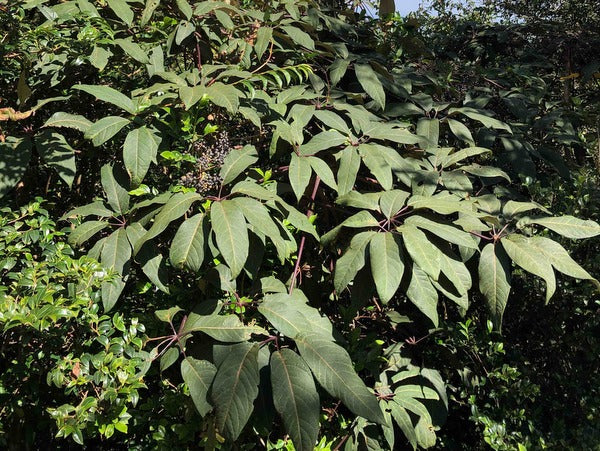
A 2012 Chinese collection of one of our favorite Schefflera species (and Schefflera is a favorite genus!) remarkable for its second layer of leaflets and tendency to be extremely floriferous with globose white flowers aplenty. This was a small multi-trunked tree in the wild and is shaping up to be very similar in our collector's garden where it was knocked back by a particularly cold winter but has excelled since.
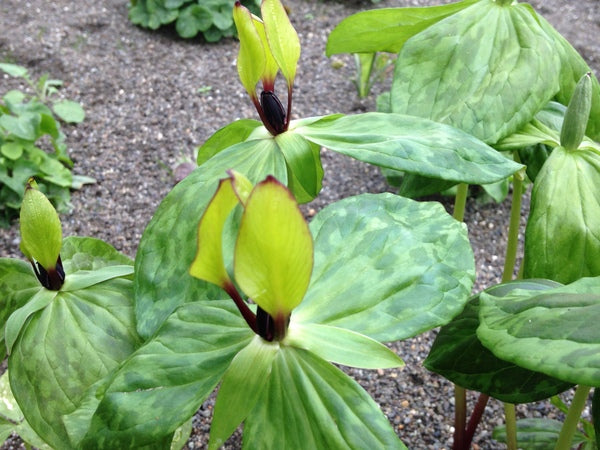
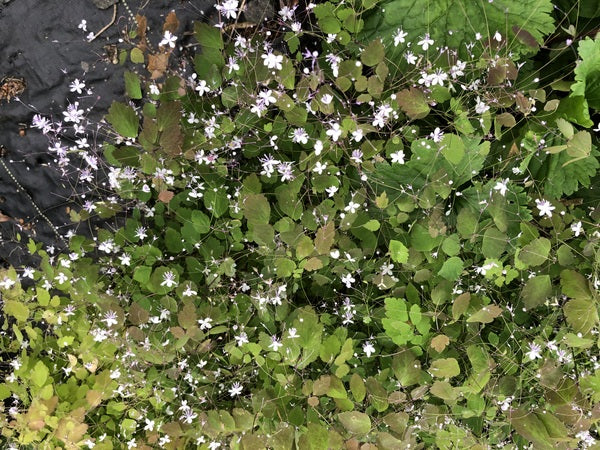
A newly described (2013) species found in..............wait for it.............Tennessee in just three locations. Incredibly rare and a very exciting find. These are seed grown from our plants, specimens used to describe the species and do not impact the wild population. Small yellow flowers with a maroon base. A Far Reaches Botanical Conservancy Offering. These are likely not flowering size. The good news is that they increase quite well vegetatively - we were pleasantly surprised when we lifted our plants and saw how much they increased.
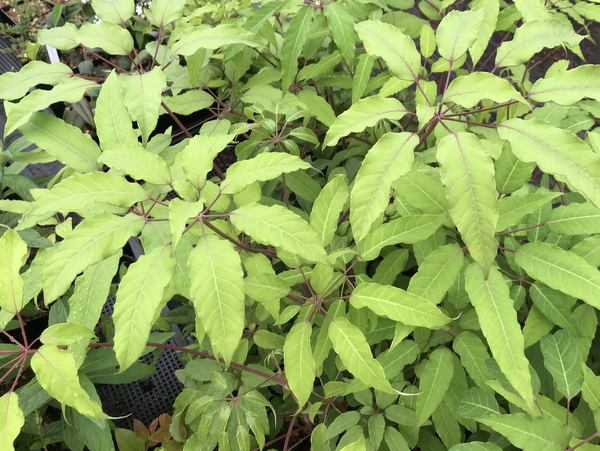

This exquisite Pyrrosia was shared with us by the ever-travelling plantsman Adam Black from his own collection in Taiwan. Imagine our suprise when on a stroll through the nursery with Adam we discovered we were now the sole keeper of this and its twin collection, that is until we got the great pleasure of returning it to Adam's keeping. Conservation at work baby! Now you can join us in that great effort and hopefully if we ever suffer tragic losses you can be our backup! The species matsudae is a bit infuriating taxonomically, in appearance it is VERY similar to Pyrrosia polydactylos, though it can be distinguished by the lack of uniformity in frond lobing. Adding to the confusion some sources have inexplicably lumped it with P. davidii which having many collections of that species is very much different.
All of this probably means very little to you and you are simply drooling over the felty multi-fingered deliciousness presented outwardly, us too. This has proved hardy for us thus far in our collectors garden and wants the usual well-drained but moist, shady, preferably epiphytic situation as its brethren.
A Far Reaches Botanical Conservancy Offering
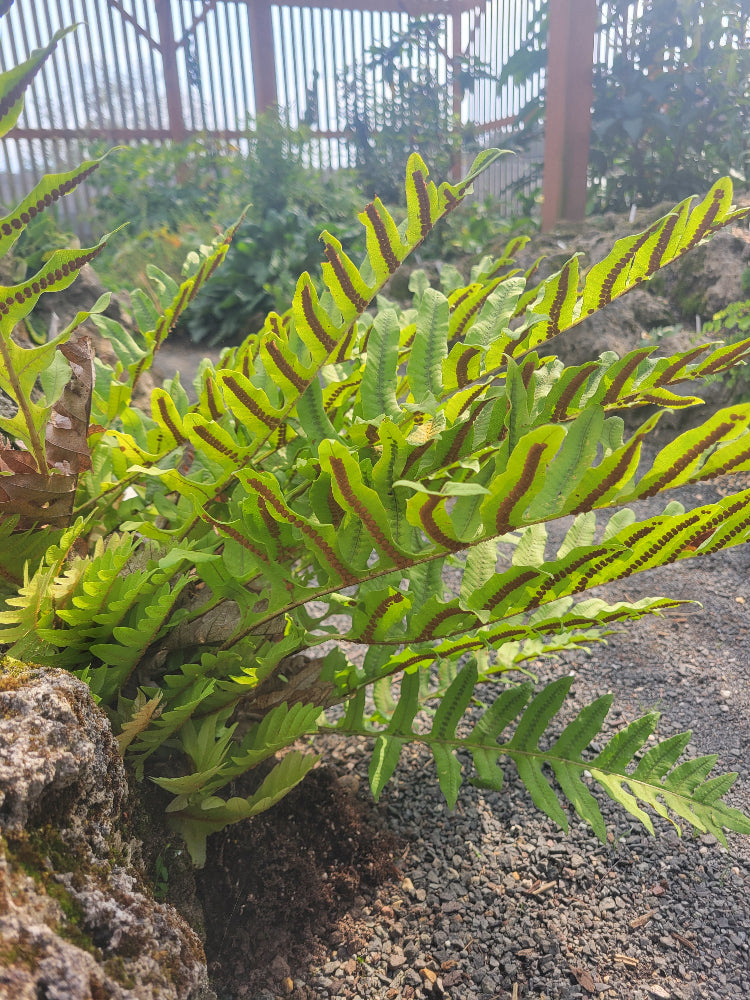
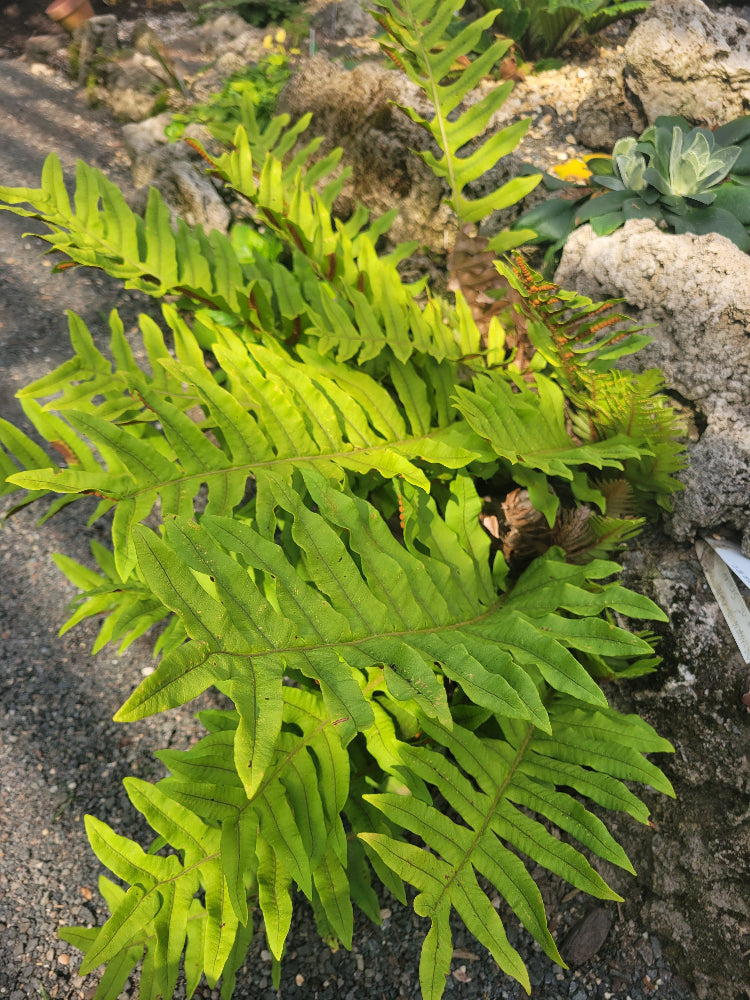
This basket fern was fairly coating the host tree from whence it was collected on the slopes of the ominously named Daheishan or black mountain in Sichuan. This has shown good vigor in pots and has also proved hardy outside in our tufa wall thus far, shockingly good performance for this usually tropical genus! Desirous of good drainage and a bit of room for its chunky rhizomes. The green fertile fronds will go dormant during winter leaving the skeletal sterile basal fronds to collect food for next year.
A Far Reaches Botanical Conservancy
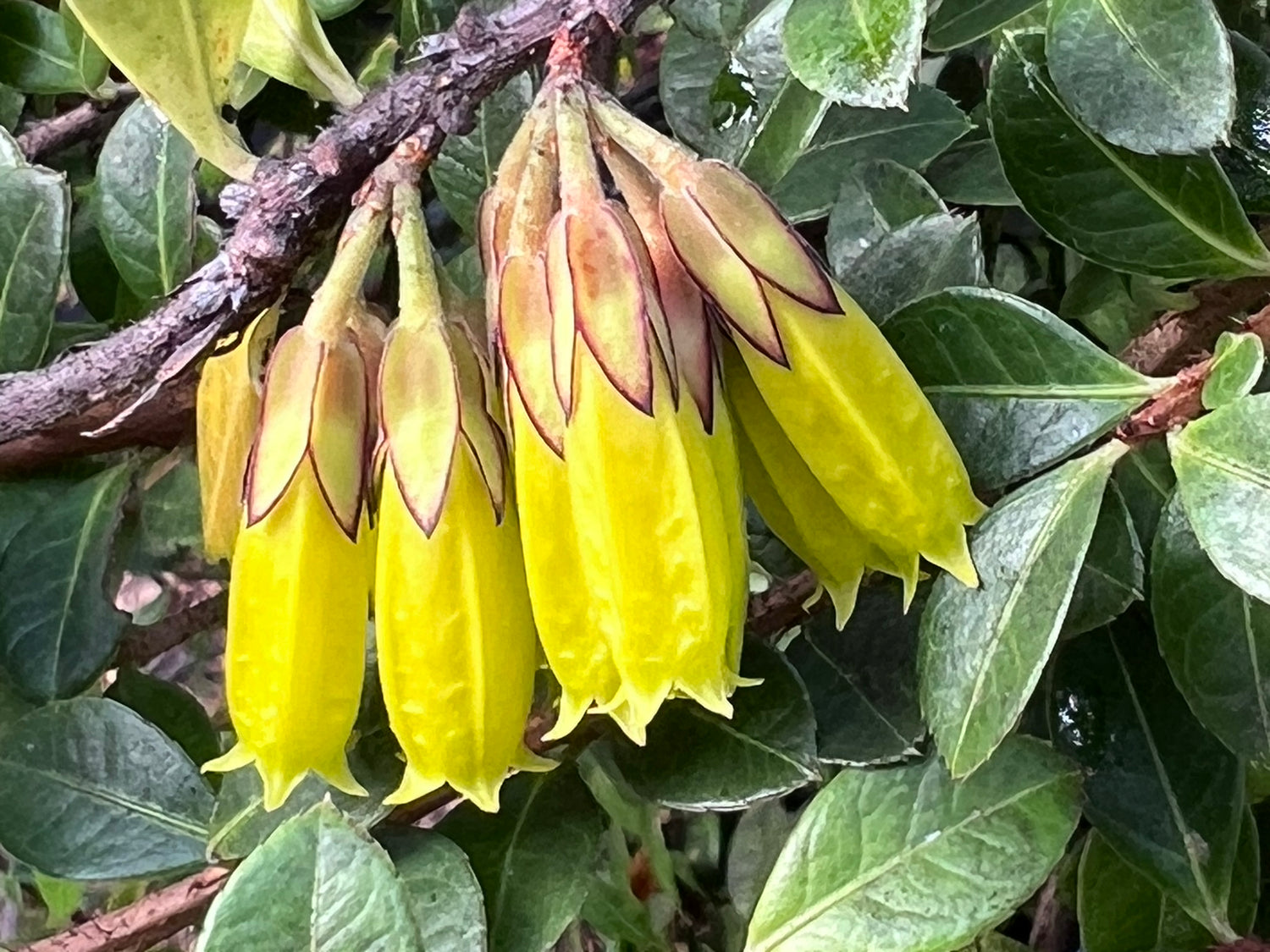
There's no telling how long this Agapetes spends on its makeup each morning but what is for sure is that its eyeliner is decidedly on point. Whereas the usual species features overt rouge that often fades with age, the clasping parts of the flowers here are delicately outlined in a deep red resulting in a suave toupee or fancy hat for the striking yellow corolla. A Steve Hootman collection of this stunning Himalayan blueberry relative from Arunachal Pradesh, and the winner of our 2024 Rare Plant Rumble.
A Far Reaches Botanical Conservancy Offering