97 products
Sort by:
97 products
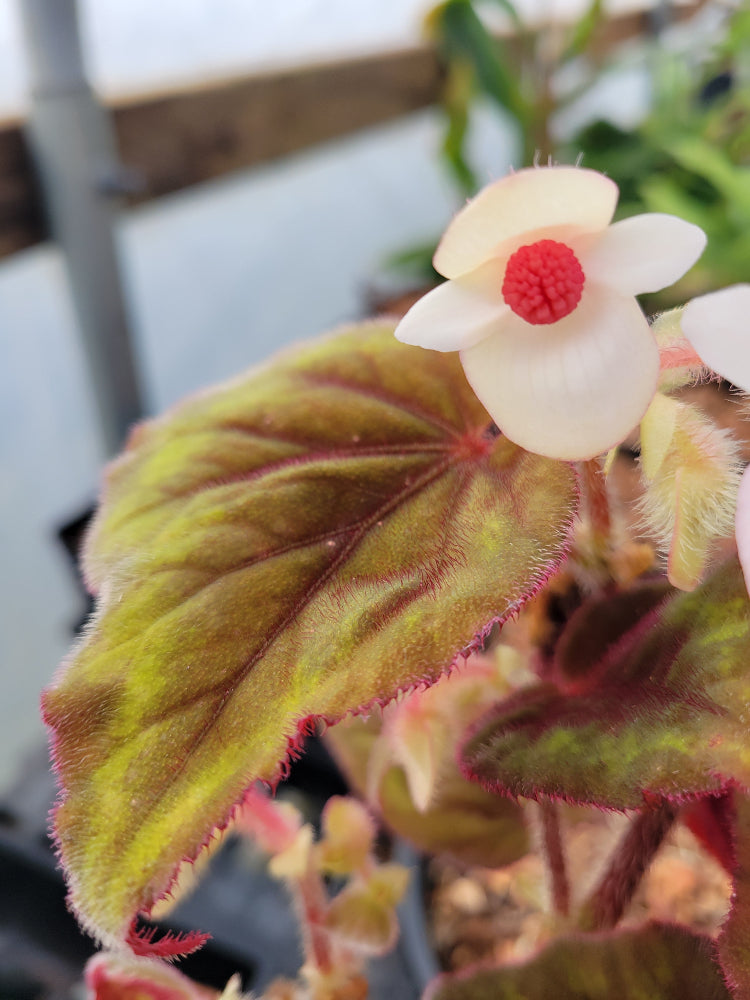
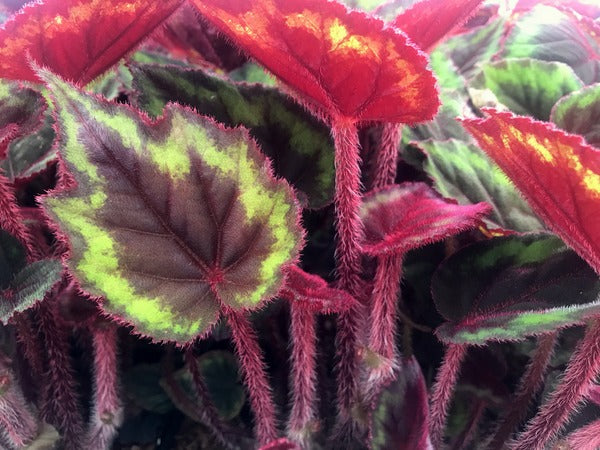
This proved hardy in the beastly 2021-2022 winter with a bit of bark mulch in the Lehman-Russell garden in Seattle. Members of Far Reaches Botanical Conservancy we might add. When we saw new growth appearing there the following spring, we were briefly but enthusiastically afflicted with Steve Martin Happy Feet. A Far Reaches Botanical Conservancy Offering.
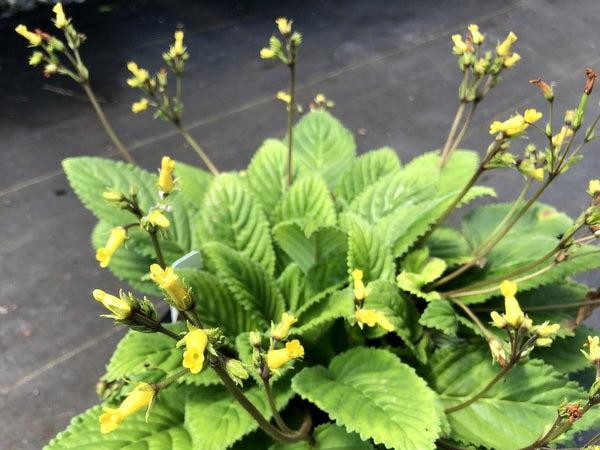
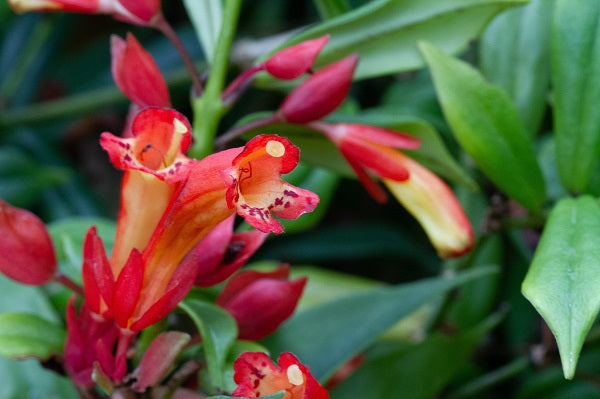
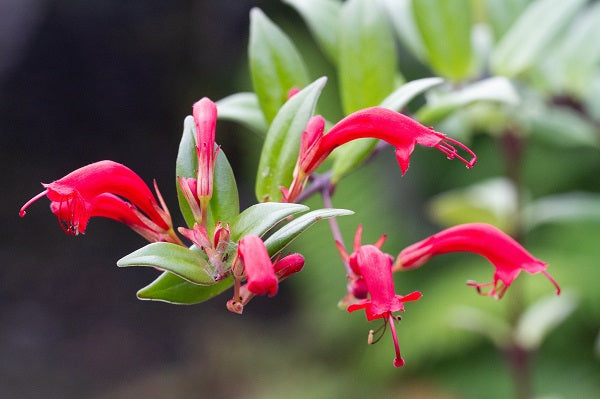
Our collection from the lower slopes of Mt Japfu in Nagaland at around 7000'. (NAPE= Nagaland/Arunachal Pradesh Expedition 2203) This is an epiphyte growing below the frost zone with showy red flowers and narrow petals. Best cool in loose, airy, mossy soil, treated like an indoor fern. A Far Reaches Botanical Conservancy Offering
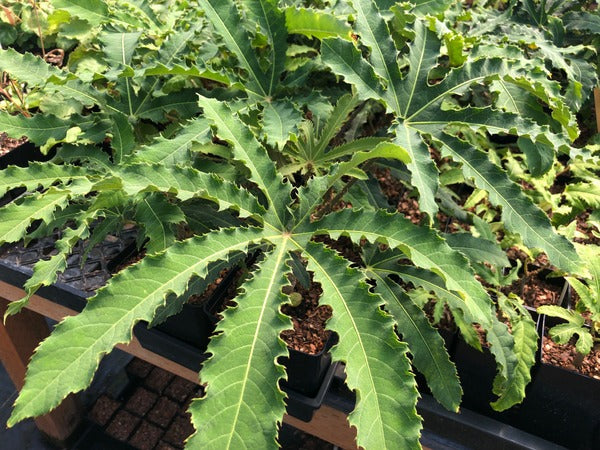
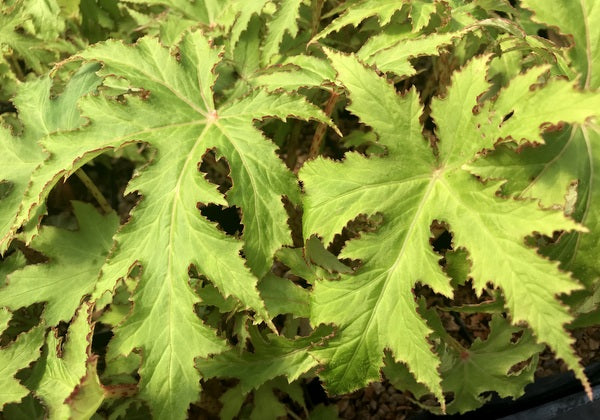
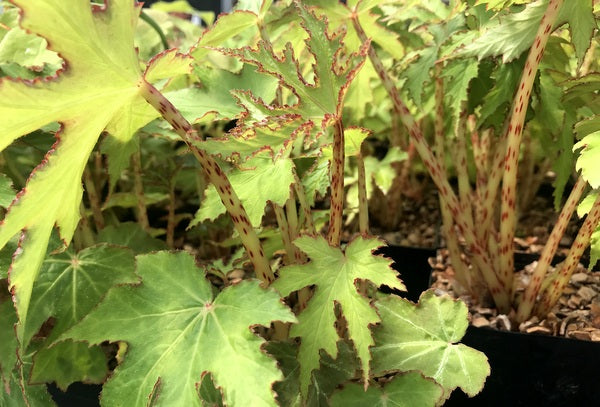
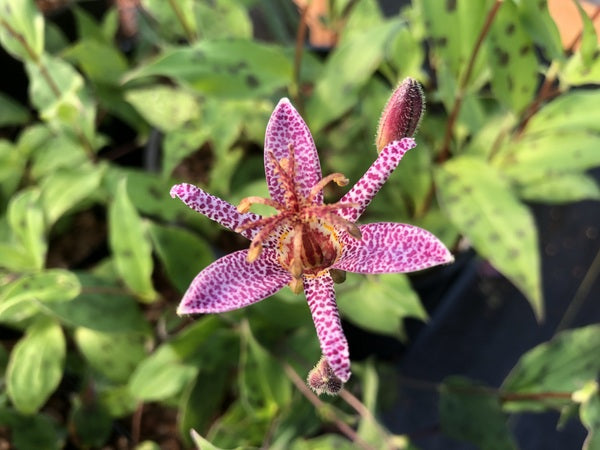
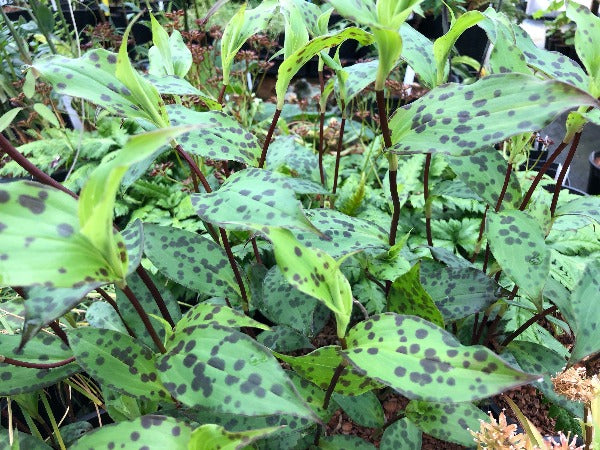
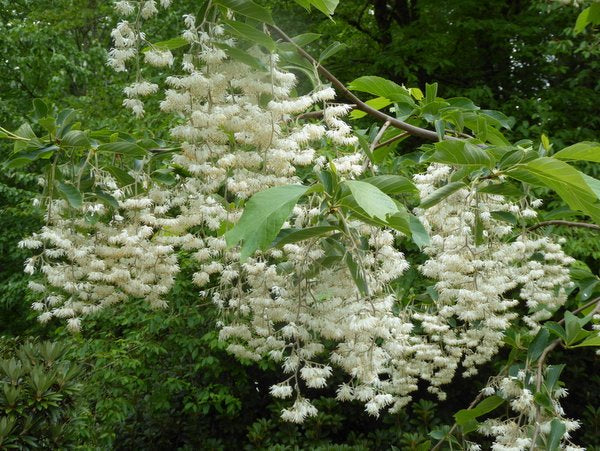
Our collection from Asia of what is likely the first introduction of this exceptional form of this equally exceptionally rare variety. Attractive leaves that are terminally cleft into bilateral lobes. The 12" long hanging panicles of white flowers are the finest in the genus, holding their own among the best of flowering trees. So much better than the straight species. Seed-grown younguns from the original plants. Who's your plant daddy!!!!! Photo credit to Steve Hootman. Proceeds from this offering go to support the mission of Far Reaches Botanical Conservancy.
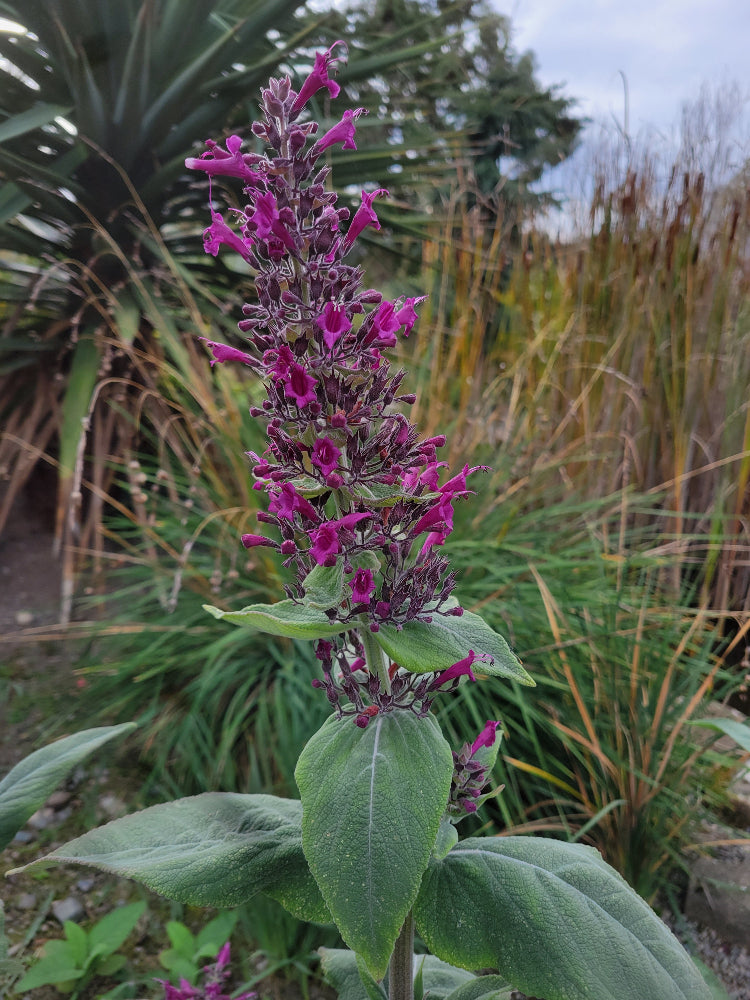
A collection of this striking Baja endemic mint relative by FRBC board member Cody Hinchliff. A tower of felty, silver-green, arrowhead shaped leaves erupts into a spire of hot pink tubular flowers in autumn provided great late-season pollinator food. Foliage stays evergreen in very mild climates but for us dies back, leaving its well root hardy nether regions to rest until spring. Both leaves and flowers smell of a fruity cleanser, with the flowers being thankfully heavier on the former, darn I was hoping for a whiff of Baja Blast. Extremely drought tolerant and happy in a sunny well-drained spot.
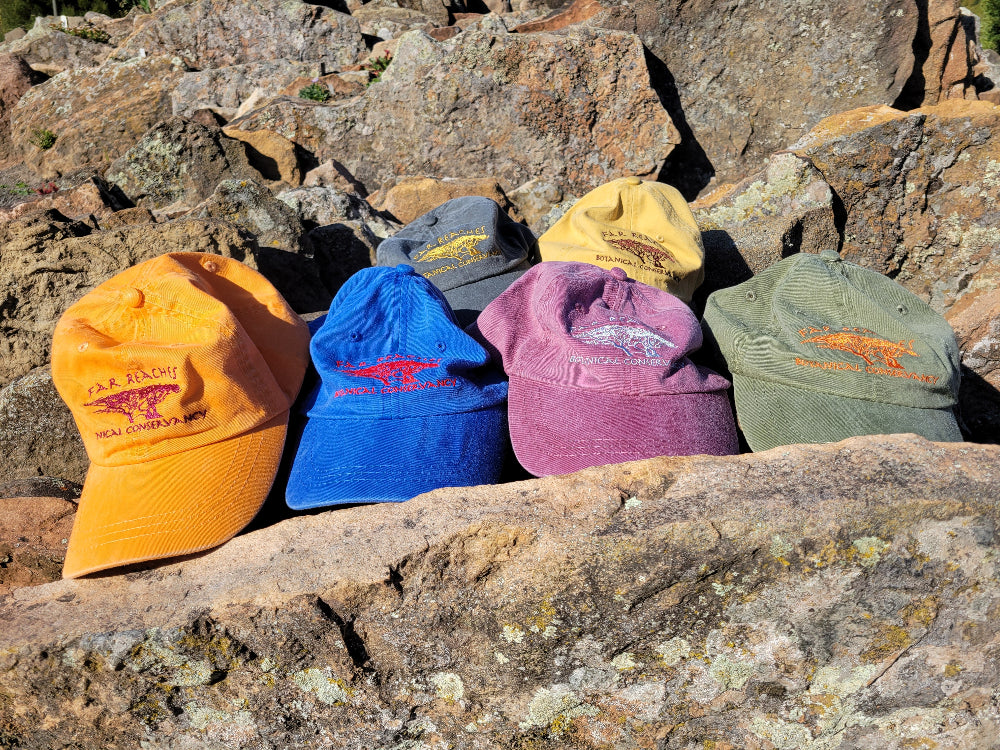
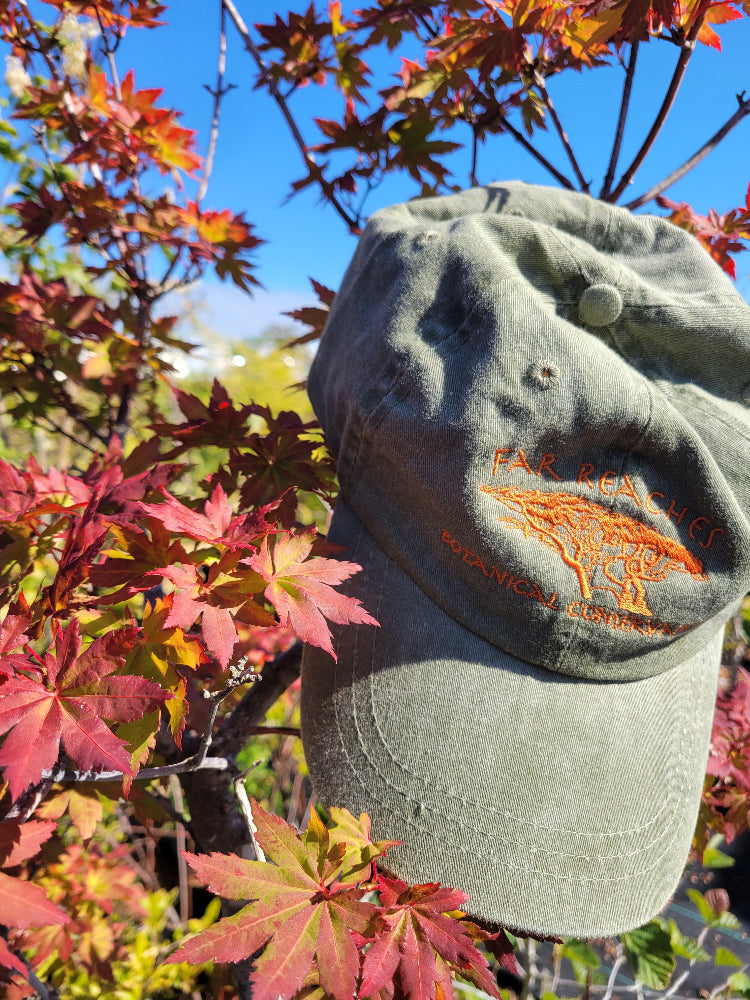
Like lots of things we sell here, we searched near and far for the ideal Far Reaches cap and this is it! Distressed 100% cotton in a variety of colors with a sweet antiqued brass buckle for a custom fit. We had it embroidered with our logo by a small shop in town to help support our little local economy.
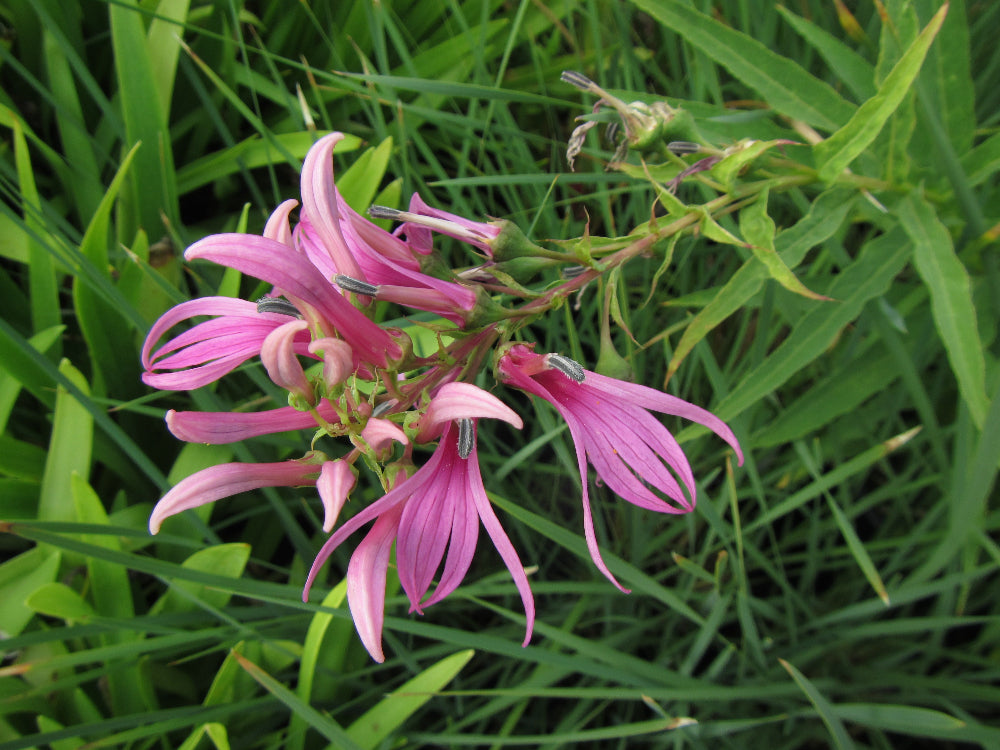
Endemic to a small region of central Chile, and vulnerable in the wild, this is like the rare collectible variant of Lobelia tupa, with much the same habit and cultural requirements, meaning full sun and decent drainage, especially in the face of winter wet. The flowers present as a flurry of frilly pink corollas that conjure images of the fabulous tails of tropical birds, honed for years by evolution to attract flirtatious females. The flirtation here is with hummingbirds, endowed with the perfectly adapted slender beaks; or with coastal climate gardeners endowed with the perfect mild winters. Likely slightly less hardy than L. tupa and will be reset to the ground each winter. These are from wild seed collected by FRBC board member and botanist Cody Hinchliff.

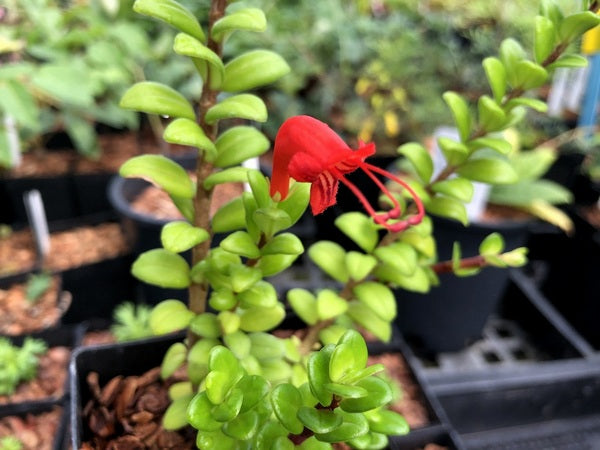
We love this little wild Chinese blueberry so much that we have exhausted all our (and worthy peers') deductive abilities on trying to put a name to it's button-cute face. Alas we must continue putting out sadly desperate ads in the classifieds in hope of a lead that will result in a future rendezvous. In the meantime we will share tales of our infatuation in physical form with you, our loyal listeners. The diminutive size of the overall plant pairs nicely with the relatively large and thick leaves of roughly spoon shape which are some of the most attractive in the genus. The flowers held in the leaf axils are a dead-ringer for the pneumatic tops of jellyfish, semitransparency and all. Epiphytic in the wild and hardiness is just a guess for now but we will let you know when we get a good test on it.
A Far Reaches Botanical Conservancy Offering

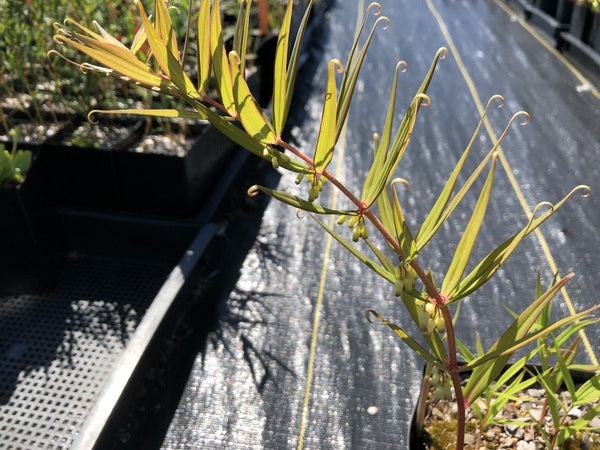
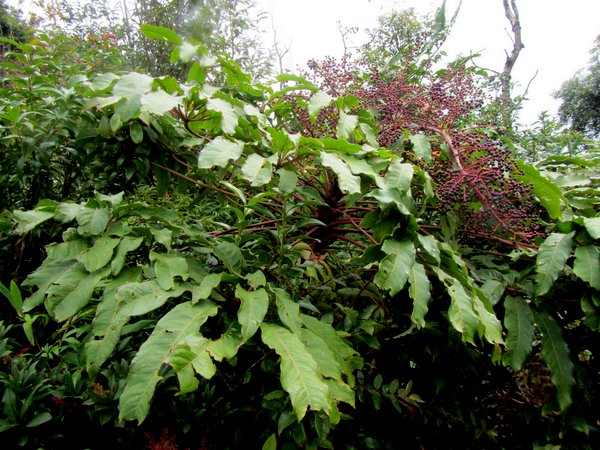
One of the tall verticillate species in China, this was growing among the branches of a striking shrubby Symplocos just below the mountain summit. The leaves on this species are arranged in whorls like the spokes of a tire. At the leaf base are clustered white and green flowers which turn into red fruit. We like it. A Far Reaches Botanical Conservancy Offering.
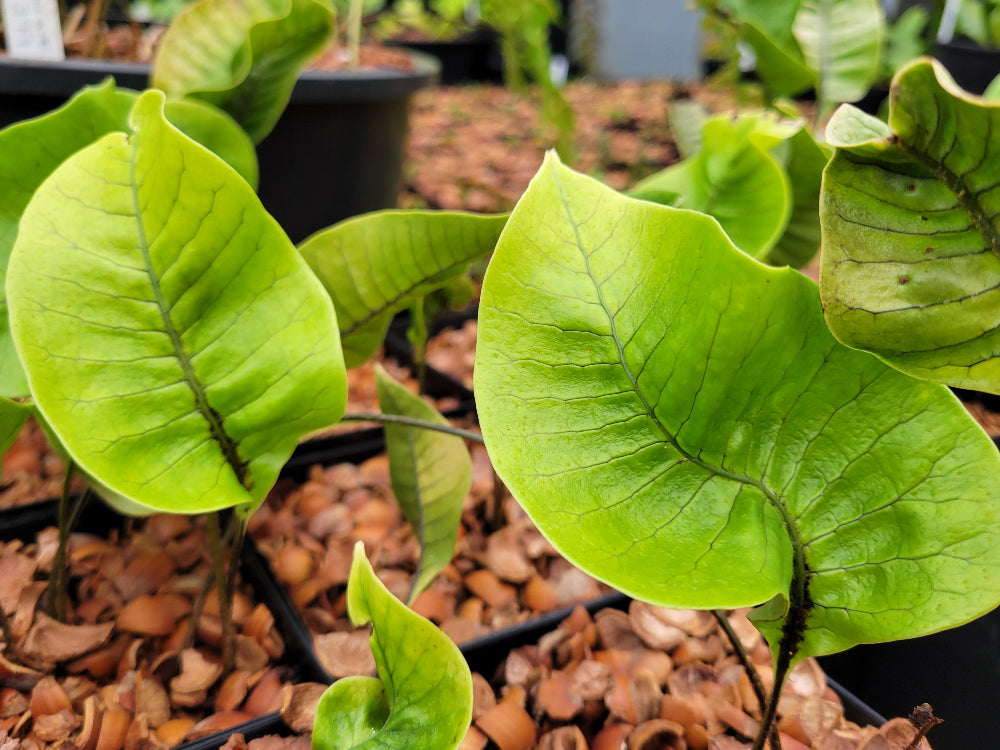
The first fern offering from our North Vietnam collections, this poor fella has been called as many names as even the most bullied of unfortunates from Lepisorus to Neolepisorus to the sci-fi devilry of Neocheiropteris. Through the torrid taxonomic seas it has clung to its floating board of delightful egg-shaped-ness, keeping its ovate epithet intact and acing that old proto-parenting assignment. The bright green egg shaped fronds with a rough papery texture are wholly unique and make for one of the ultimate pot displays or epiphytic wonders (for milder climes). We recently planted one out in our tufa wall and are eager to see how it performs for us here. Very rarely offered anywhere due to its slowness and I have never seen this pure green form offered anywhere stateside. One for the true botanical connoisseurs.

Beautiful bulbs of this incomparably garden-worthy species. This is from a slightly more eastern extension to its range than currently recognized and was found just as drier Pinus forest changed to wetter, mixed deciduous forest. Fragrant white flowers with some purple coloration in the interior on stems 8'-12' tall in 3-4 years. A Far Reaches Botanical Conservancy Offering