97 products
Sort by:
97 products
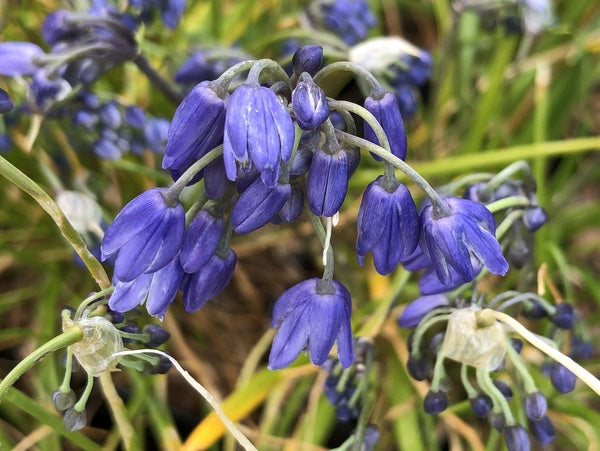
A rare introduction of this small alpine Allium that is scarcely represented in cultivation. Small flattened leaves arch close to the ground and the short-stemmed blue flowers are quite pleasing. The leaves distinguish it from the similar but with rounded leaves, Allium cyaneum, with which it shares habitat. Happy in sun, but for the best quality foliage a bit of shade is welcome.
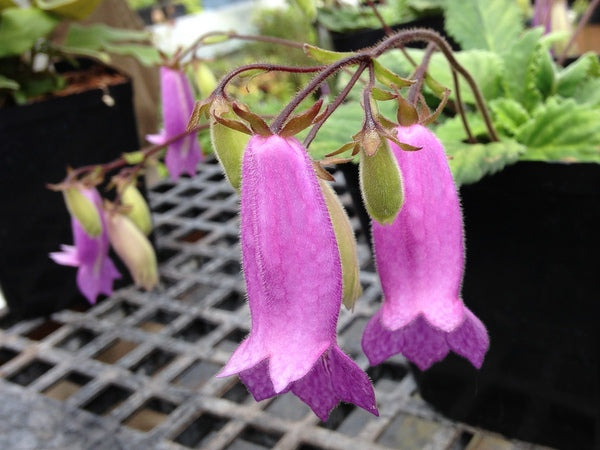
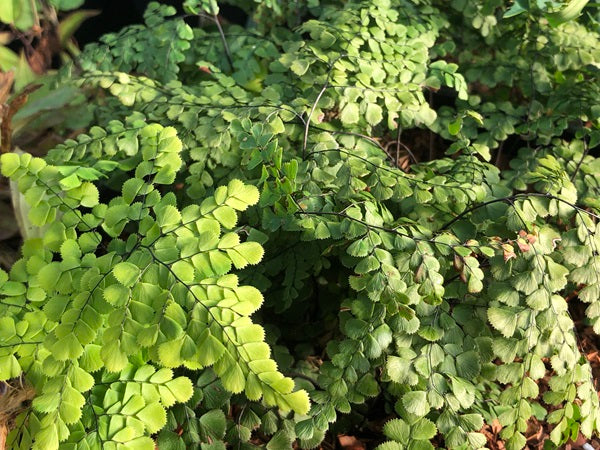
Our collection from the eastern extension of its range in Hubei, this wild provenance is a rare offering of this exceptional garden fern. It must be a given that this is in the Top Ten of Hardy Ferns as it offers incredible texture forming a small dense carpet. New growth is a beautiful peach color and, to our surprise, actually smells like peaches! Clip old fronds off close just before the new growth emerges or not, beautiful either way.
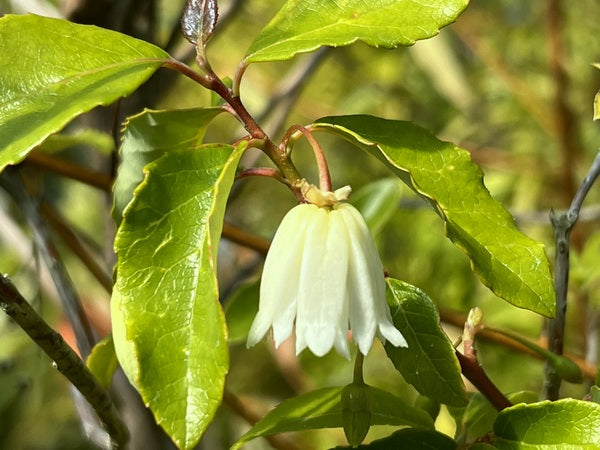
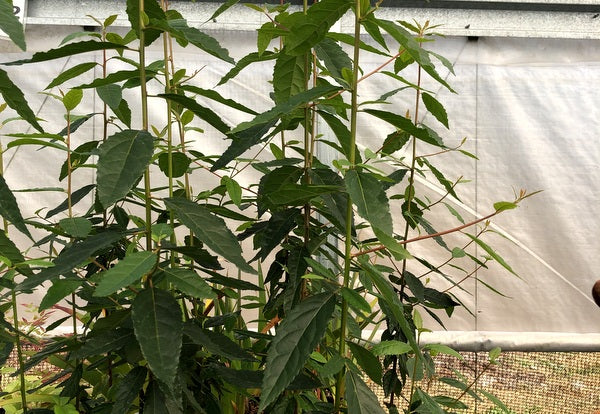
Extremely rare offering of this NW Argentina-SE Bolivia version of the Chilean Crinodendron patagua. This large shrub to small 20'-30' multi-trunked tree has evergreen leaves and small white bell flowers. Quite fast growing and is one of the primary species in the Podocarpus parlatorei forests. Time will tell on hardiness but thus far it has done well in our garden, handling the harsh temps of the 2023 winter with aplomb. These are second generation seedlings from our Argentine wild collection. A Far Reaches Botanical Conservancy Offering
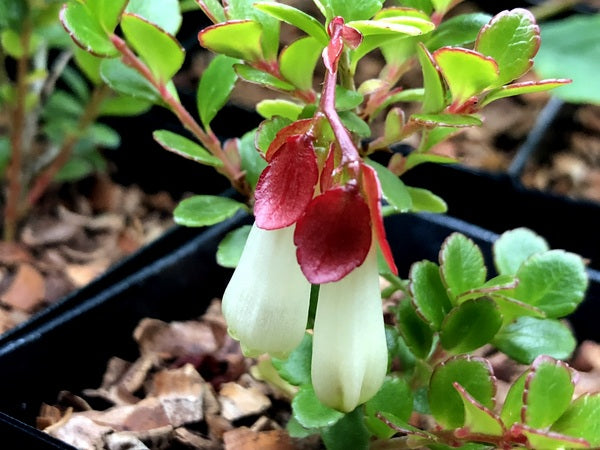
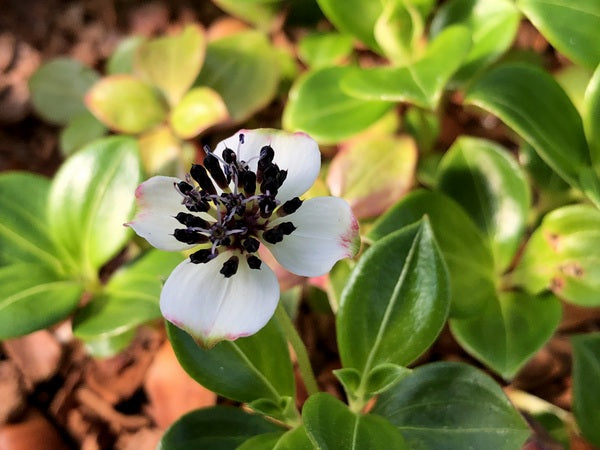
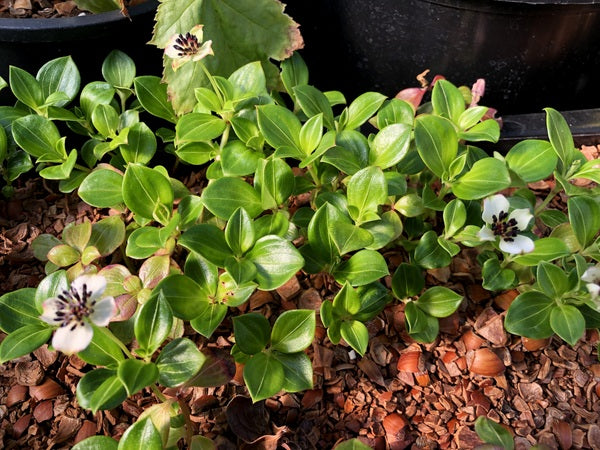
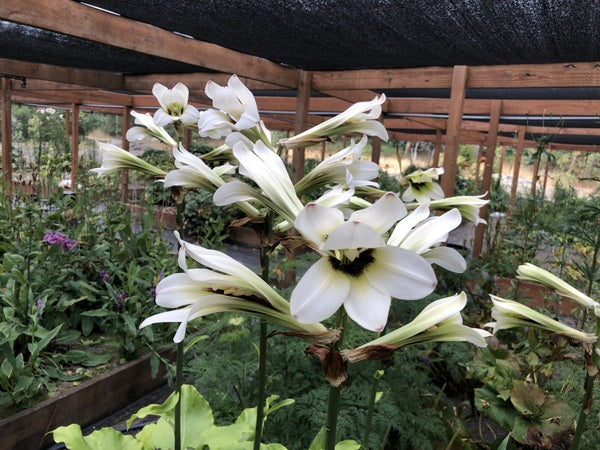
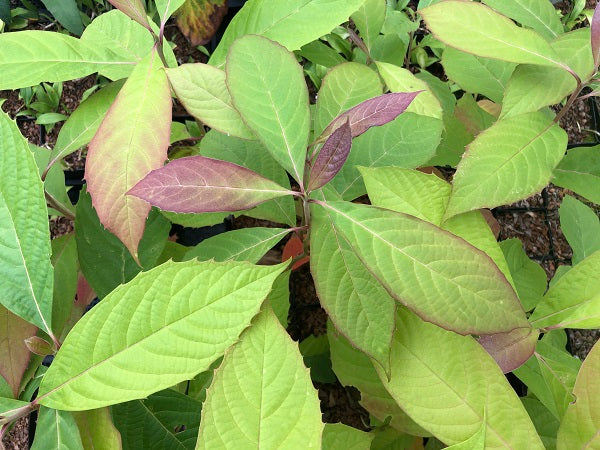
Extraordinary botanical and ornamental introduction of this evergreen stoloniferous Dogwood. Allied to the northern deciduous Cornus canandensis, C. unalaschkensis and C. suecica, this was discovered in the 1930's by Frank Kingdon Ward on high ridges in northern Burma, now Myanmar. This was never introduced to cultivation and it remained the mythical lost Cornus of Kingdon Ward for 80 years until English botanist Keith Rushforth rediscovered it in Myanmar growing in moss under Rhododendrons and Acer wardii and managed to introduce a handful of clones. We are fortunate to have four clones and we much admire the glossy evergreen leaves and white-bracted flowers with their dark chocolate stamens. This has proved hardy for us in our Zone 8a garden and we have hope that given its crazy disjunct location not far from the Tropic of Cancer, that this might be adaptable to the warmer evenings and humidity of the Southeast and East Coast but this remains to be seen. Extremely rare. A Far Reaches Botanical Conservancy Offering. Proceeds from this offering go to support the mission of Far Reaches Botanical Conservancy.
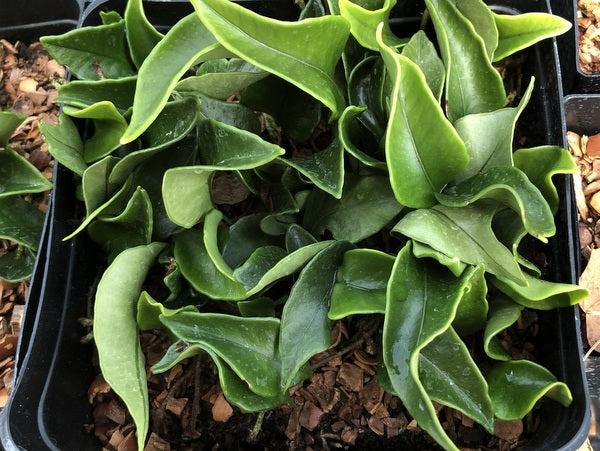
Fern fans we are, fern experts we are not, but we continue to chip away at the imposing taxonomic massif of Pteridophyta in hopes of becoming somewhat conversational in Fern. Currently, we can ask the equivalent of where the restroom is and order beer when talking Asian ferns. This is a creeping fern with long, thin rhizomes ideally suited for weaving through shallow moss on shaded rock faces with small orbicular-ovate evergreen leaves. This has been extremely hardy for us for years in our shade garden, and should fare well in lower zones as well given that Acer griseum was growing nearby.
(Apologies for the second change in species, the limits of species in this group of Lepisorus aren't fully clear, and L. pyriformis having been only recently published is not included in the Flora of China though it fits better than the previously used L. rostratus)
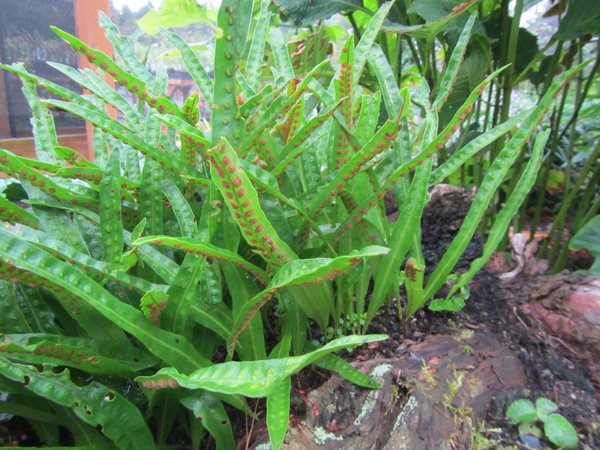
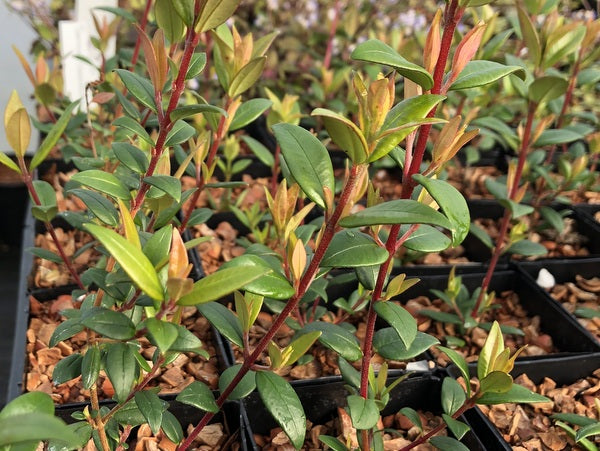
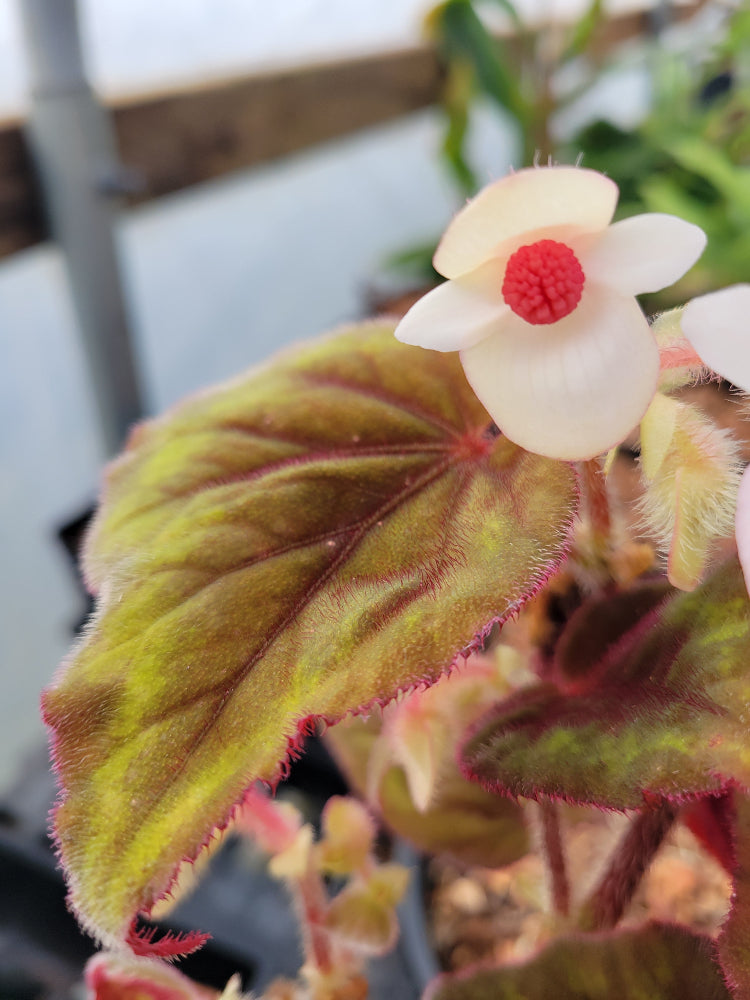
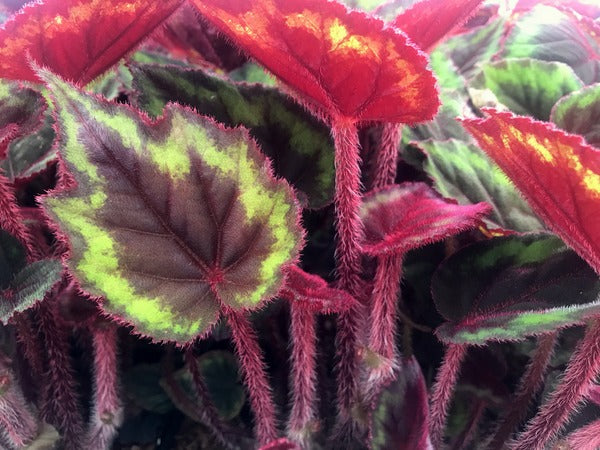
This proved hardy in the beastly 2021-2022 winter with a bit of bark mulch in the Lehman-Russell garden in Seattle. Members of Far Reaches Botanical Conservancy we might add. When we saw new growth appearing there the following spring, we were briefly but enthusiastically afflicted with Steve Martin Happy Feet. A Far Reaches Botanical Conservancy Offering.
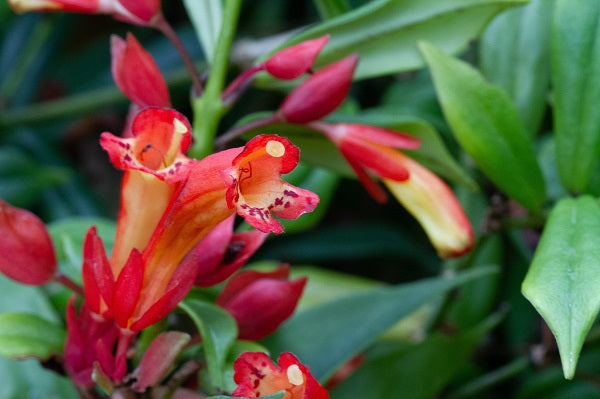
Our collection from the lower slopes of Mt Japfu in Nagaland at around 7000'. (NAPE= Nagaland/Arunachal Pradesh Expedition 2203) This is an epiphyte growing below the frost zone with showy red flowers and narrow petals. Best cool in loose, airy, mossy soil, treated like an indoor fern. A Far Reaches Botanical Conservancy Offering