
Search results
218 results
Search results
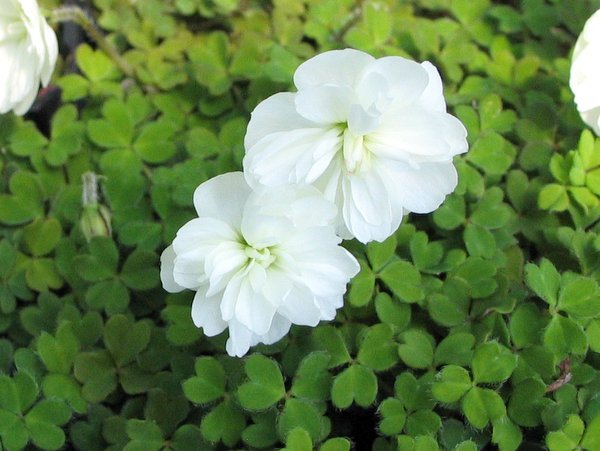
Sweet little groundcover whose double white flowers resemble fluffy bits of white popcorn strewn on the leaves. Perfect underplanting for other shade plants to pop up through and great between stepping stones. Gently spreading and not hard to keep in bounds. Darn near perfect.
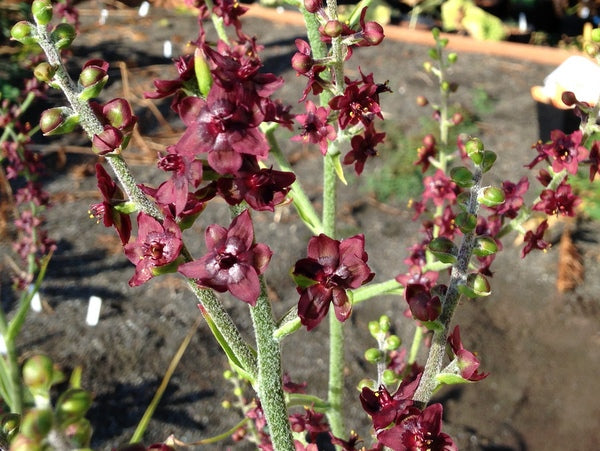
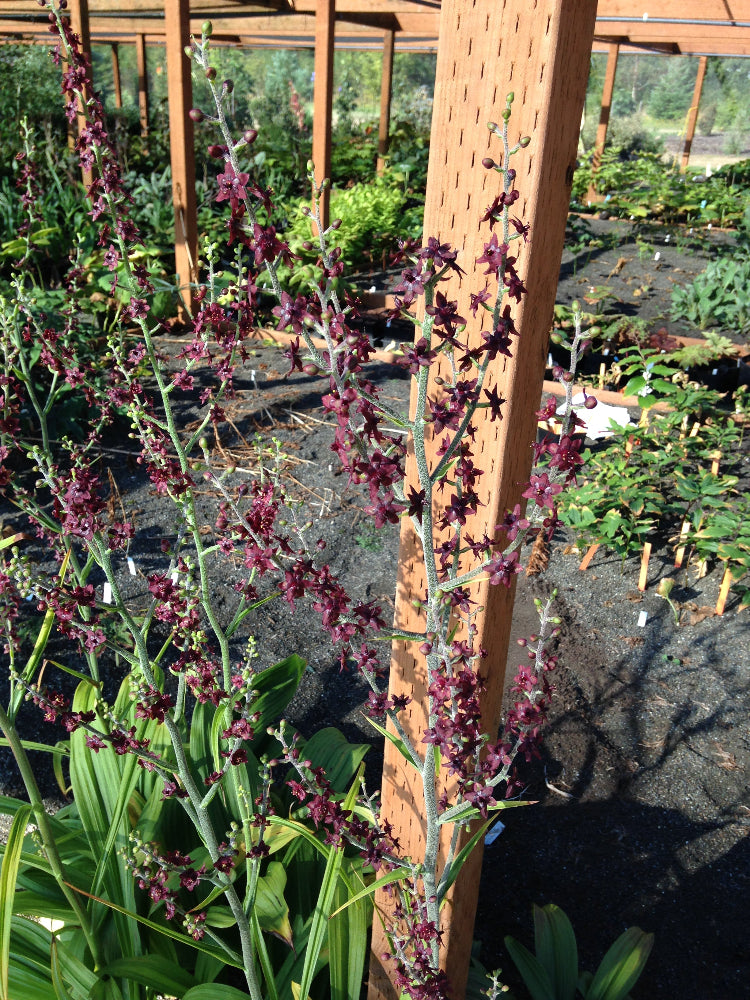

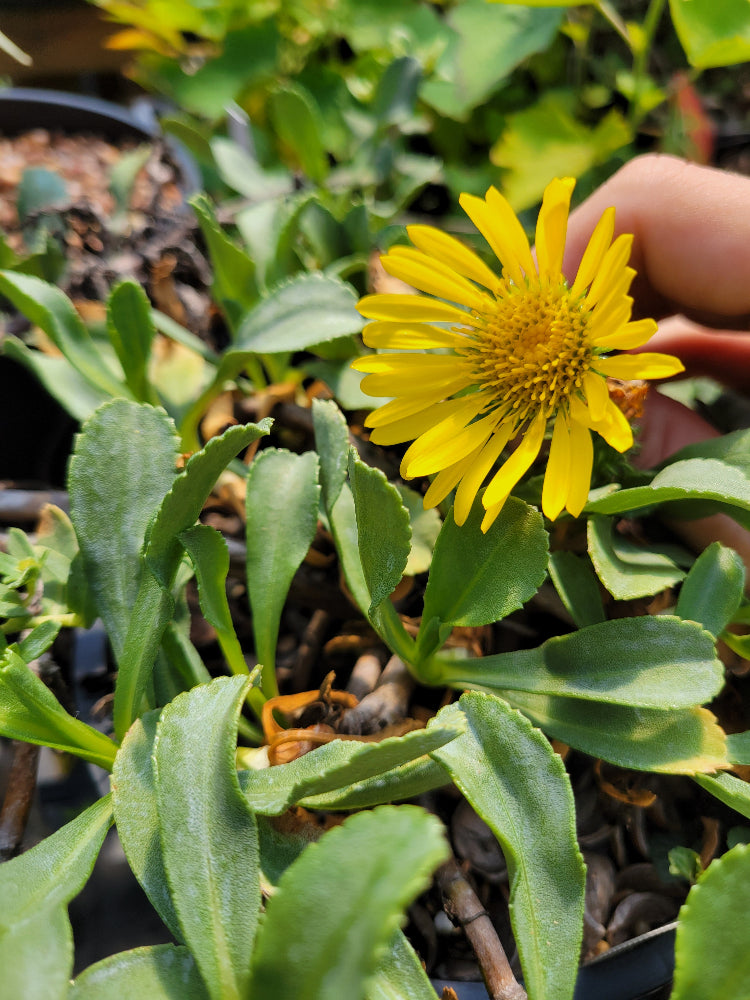
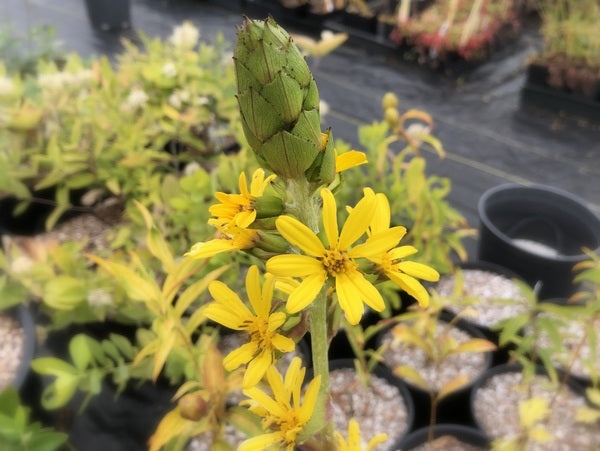
Here in Port Townsend Coastal Californians are like the bogey man haunting the dreams of NIMBY types and work-a-day home searchers alike. However in our rain-shadow deertopia, plants resistant to roaming teeth and the occasional drought are like affordable multi-unit housing. Thus we come to be selling this Cali native, and a prostrate large-flowered form to boot. The thick evergreen (in mild winters) foliage forms a tough mat producing odd buds that secrete a sticky gum that transform into a carpet of large yellow daisies in Summer, providing an adaptable full-sun groundcover.


Yet another of diverse and headachingly difficult to identify genus that love but doesn't love us back (at least taxonomically). The dark, opaque, and serrately margined rhizome scales have led us to believe it belongs in the section pseudovittaria where the publication helpfully states species delimitation is particularly difficult. Whatever the species it is an attractive small evergreen species that grows epiphytically in the wild and while spreading by rhizome tends to form a nice tight clump overall. The fronds start off broader and slightly twisted but become thin and much more upright as the sori develop. This has proved hardy for us thus far in the tufa wall housed in our collector's garden and has drawn the particular admiration of a few very knowledgeable local fern fanatics.
A Far Reaches Botanical Conservancy Offering


A royal fern whose lineage through fern royalty was unspoilt until it graced our worn proletariat hands. The original plant of this form with tripinnate leaves, meaning one extra degree of division resulting in a feathery look, was found in Kerry, Ireland but subsequently lost to cultivation. 90 years later British pterido-maniac Martin Rickard chanced upon another in a ditch in that same county. From there it passed to local fern celebrity Sue Olsen and through her Hardy Fern Foundation to the Elisabeth Miller garden where its current caretaker Richie Steffen graciously bestowed upon me one single frond from which come all of these spore-grown plants. Don't worry if the fronds are not yet fully feathered, its a trait that develops and strengthens with age.




Typically a white-flowered Tasmanian native evergreen tree, this pink version was found in 1984 by Ken Gillanders. Must have been jaw-dropping as the plant was 65' tall although the tallest in cultivation is perhaps 25'. Serious authorities have it hardy zones 7-10 but we'll say Z 8-10 and best sheltered from freezing/drying wind. Bees love this, adding kinetic beauty plus the species accounts for the majority of honey production in Tasmania. These are small cutting grown trees.


A unique Bergenia collected in Kashmir and later named by Beth Chatto after a close friend. It forms a neat rosette of highly unusual, bright green leaves that have a strongly tapered, or cuneate, base with a coarse ciliate margin, typical of B. stracheyi. In autumn, the leaves turn a brilliant shade of crimson, plum red. Heads of small white, drooping flowers appear in spring in tight clusters. An interesting foliage plant that may not be to everyone’s taste but is well worth growing for its winter colour and white flowers.
Thanks to our pal Scott Galloway curator of the best Bergenia collection around and creator of the incomparable info source the Bergenlist for the description and photos!
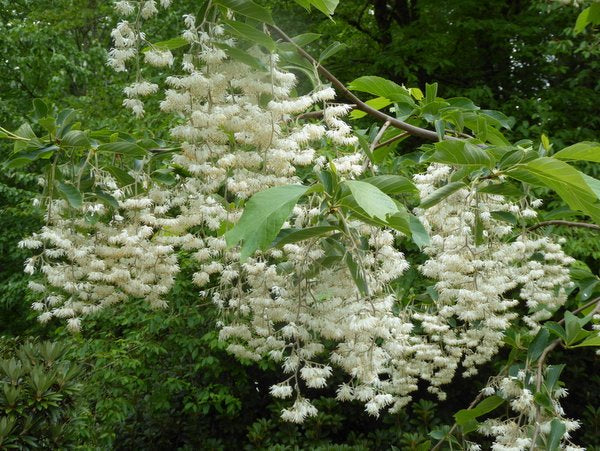
Our collection from Asia of what is likely the first introduction of this exceptional form of this equally exceptionally rare variety. Attractive leaves that are terminally cleft into bilateral lobes. The 12" long hanging panicles of white flowers are the finest in the genus, holding their own among the best of flowering trees. So much better than the straight species. Seed-grown younguns from the original plants. Who's your plant daddy!!!!! Photo credit to Steve Hootman. Proceeds from this offering go to support the mission of Far Reaches Botanical Conservancy.
