Search results
219 results
Search results
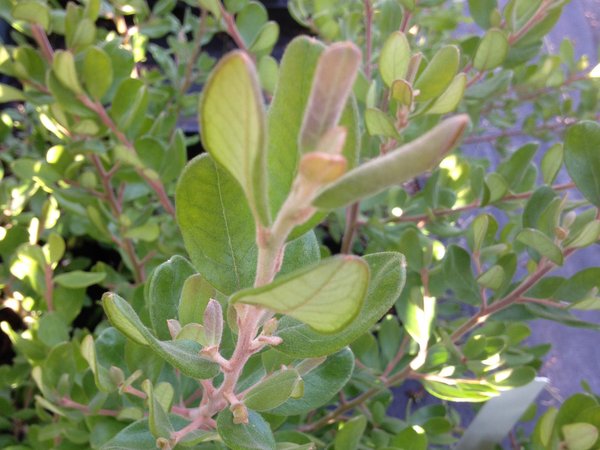
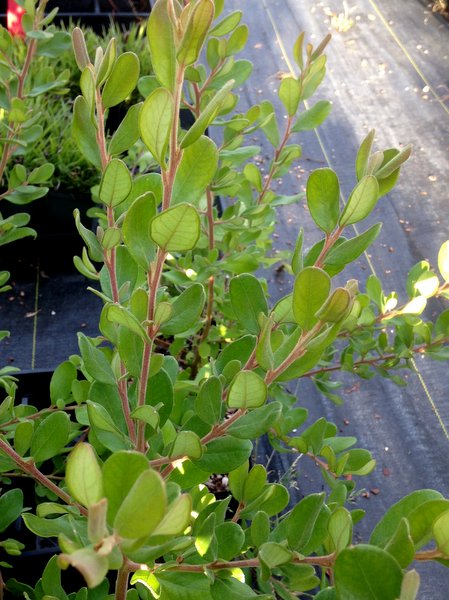
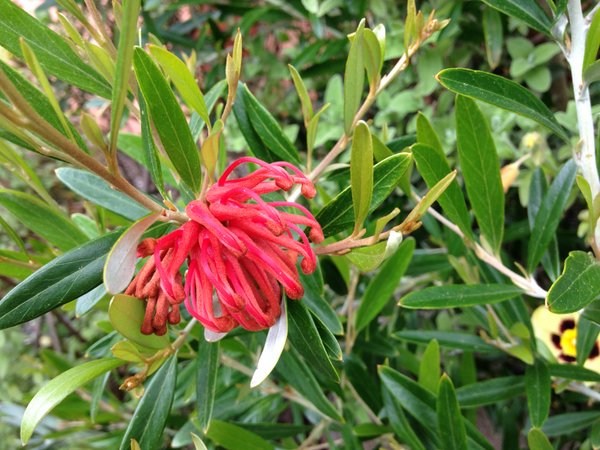


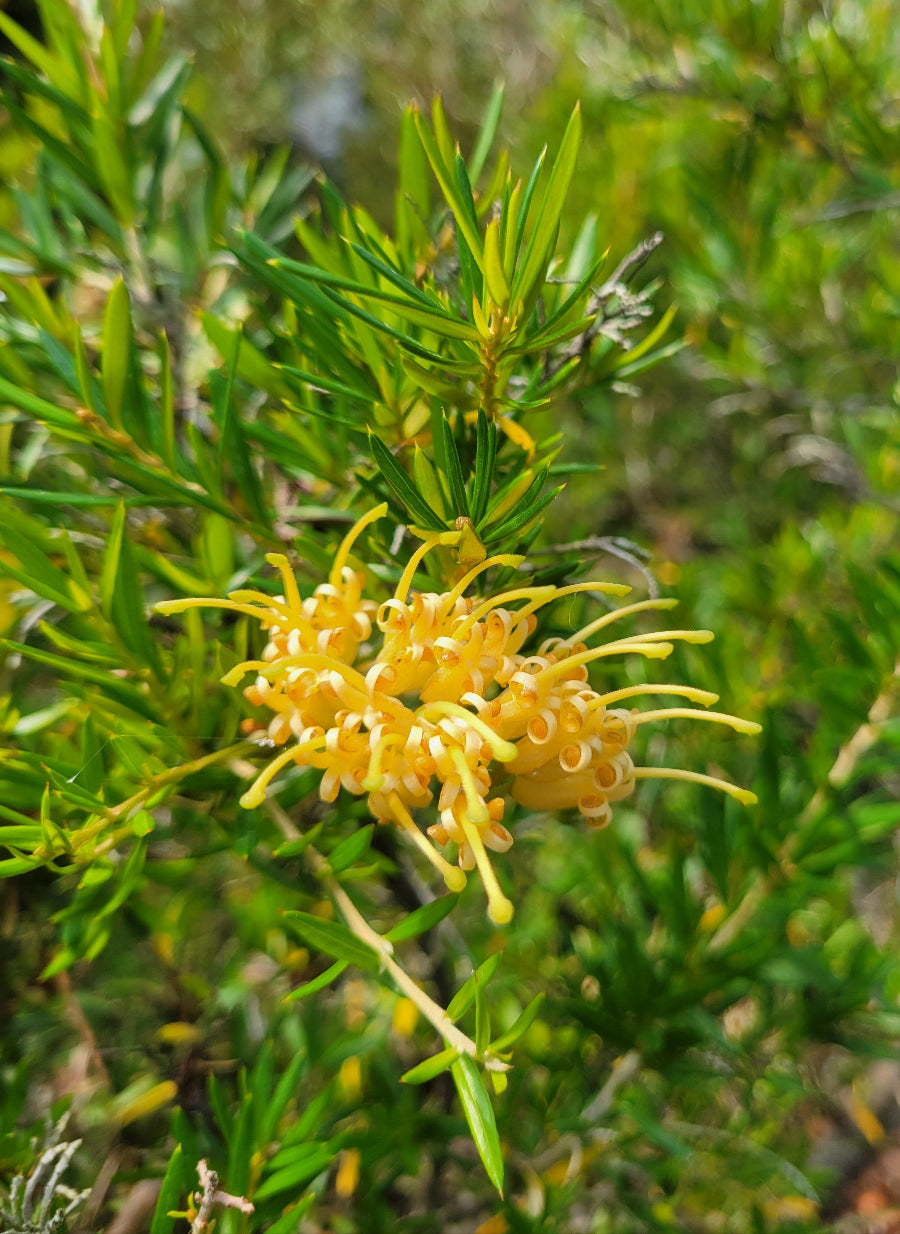


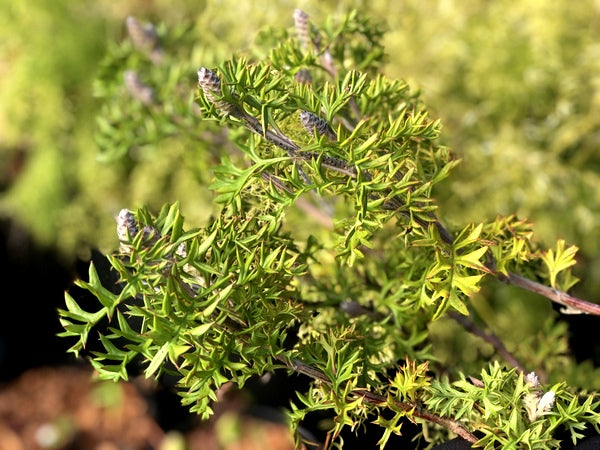
You'd be forgiven for thinking this cultivar must be one of those with a slop name used to force the acceptance of double trademarked and patented promotional names but no this is an honest old-fashioned denotation of its Aussie origin point. This of course means it doesn't toot its own horn for its unique floral color, eschewing the usual red of G. juniperina for a seldom seen pale gold hue. New hardy Grevilleas are always exciting to have in the arsenal, especially when that hardiness comes without caveats or borderline warnings. This species is certainly reliable all the way down to 10F if not lower. Forming a needle leaved prostrate shrub unhospitable to fauna foraging.
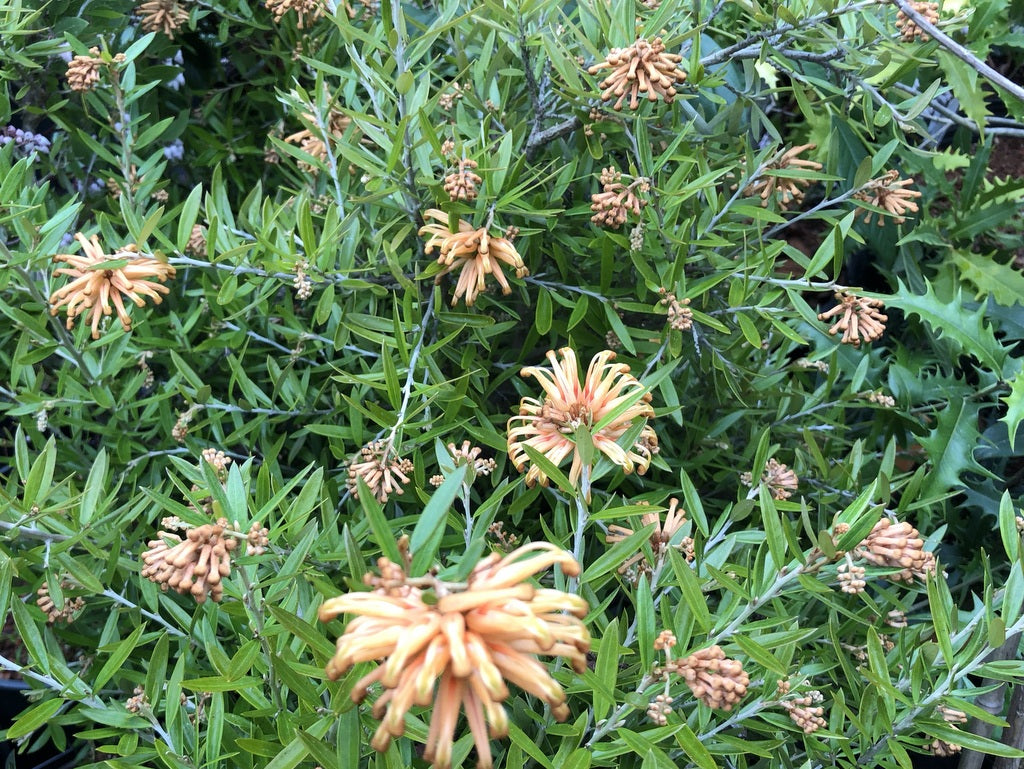
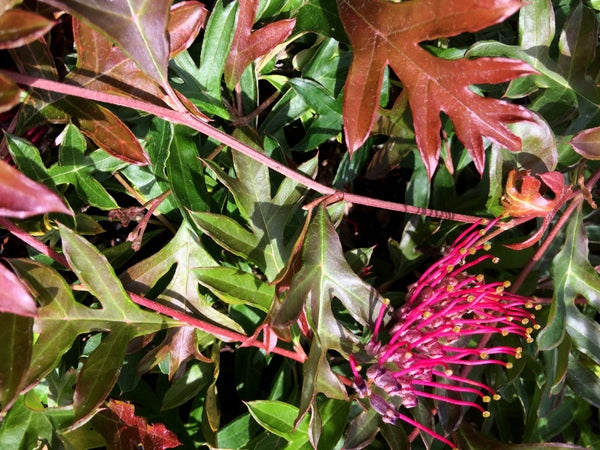
Quite the distinctive Grevillea being a true groundcover growing very flat to the ground. The oak-like leaves are bronze when young and mature to a dark green both colors providing a fine backdrop for the large feathery combs of red flowers. This is likely not hardy below the mid teens but is grown successfully at the Barca garden on Whidbey Island in a raised bed against a south facing wall and also is luxuriant at the Miller Botanic Garden in Seattle where it flows down a slope and where curator Richie Steffen gave us our cuttings. Sun and good drainage and low phosphorous if you do fertilize. At least this is easy to cover being flat in the event of a severe cold snap!

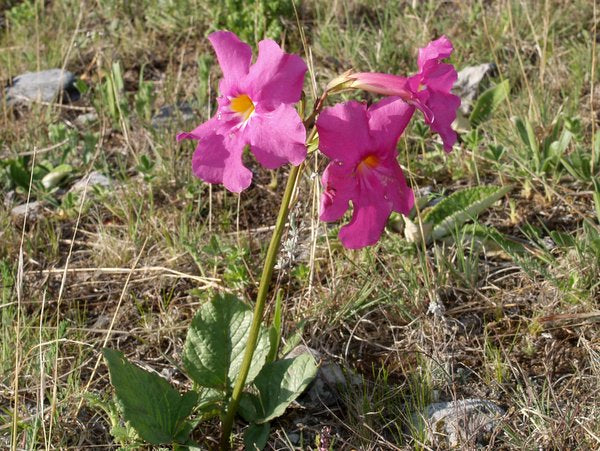
We saw this at the O'Byrne's in Eugene and Plant Lust caused our pollen to shed and our stigma's got a bit sticky. It is so embarassing but Ernie and Marietta are used to it. Completely hardy here and clothed in small white crinkled fragrant flowers in Apr-May. Yes. Yes. Yes! Yes! Yes!


When ethnobotanical and ornamental interest collide it's always a plant worth investing in, and this one hits high marks in both categories. The common name paperbush refers to the use of the plant in making paper, notably that used in Japanese banknotes. Meanwhile the specific epithet of chrysantha foreshadows the unique clusters of early-blooming tubular yellow flowers with an incredible scent. Add to that the gently arching candelabra-like form and I can't see why this isn't in every garden possible.
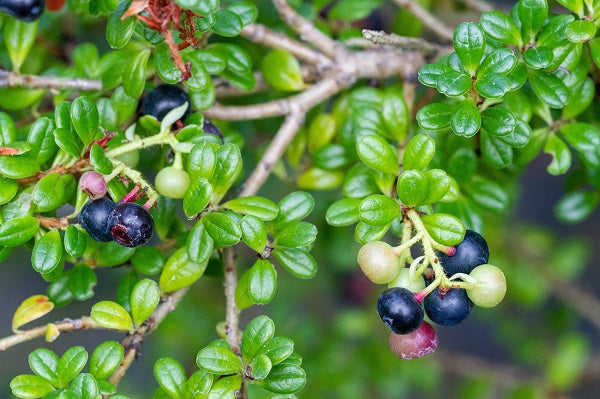
Our collection as cuttings from the Cangshan in Yunnan of an especially small leafed form of this evergreen species. Steve Hootman of the Rhododendron Species Botanical garden now and again mutters about giving it a clonal name. Probably best in a mild garden.
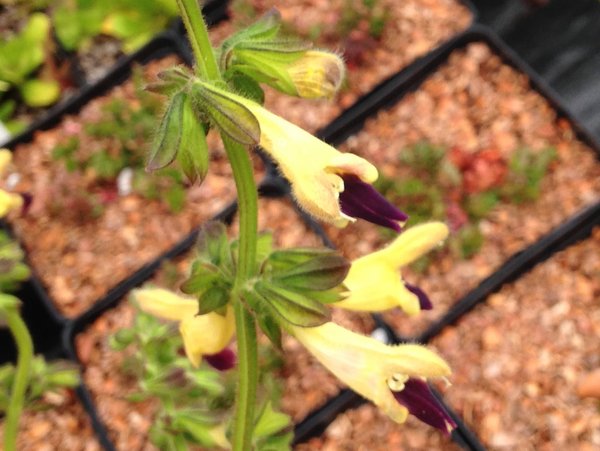
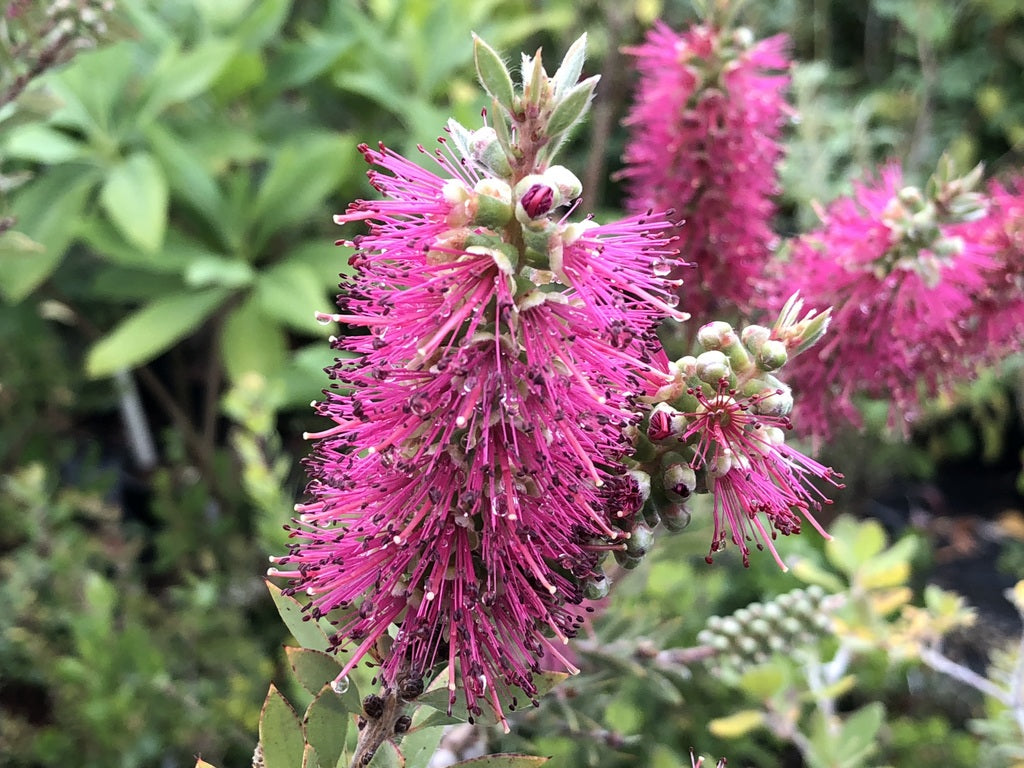
The flowers on this Australian bottlebrush are not for the faint of heart, while mildly referred to as lilac the screaming pink flowers are quite the statement, luckily the muted green to blue-green needle-like leaves pair very well providing a stolid year round grounding to its summertime rave scene excesses. Truly a fantastic group of shrubs that should be seen more in a vein similar to its oft-desired countrymen Grevillea especially in increasingly hot, dry, and/or deer-ridden areas. Let this be the bright colored scion to extoll the many virtues of its brethren. Hardy and adaptable in zone 8 and higher but potentially doable in colder climes if you don't mind a reset and reshoot every once in a while on the harsher years.