Search results
218 results
Search results
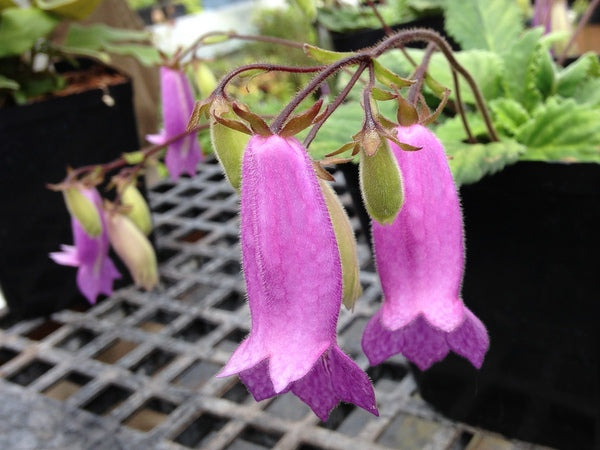

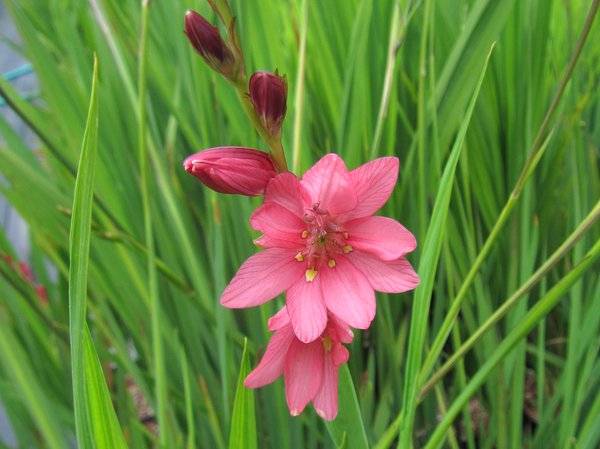
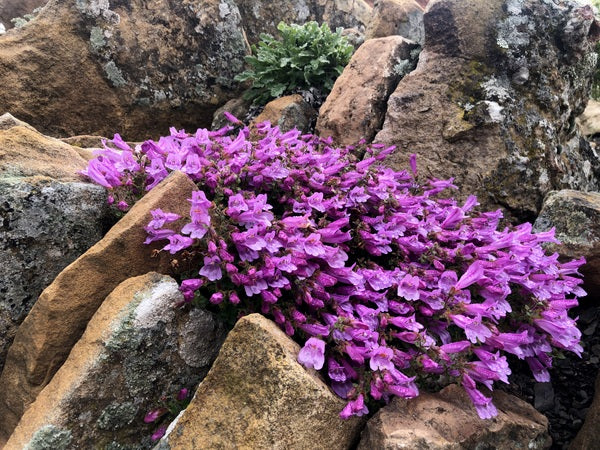


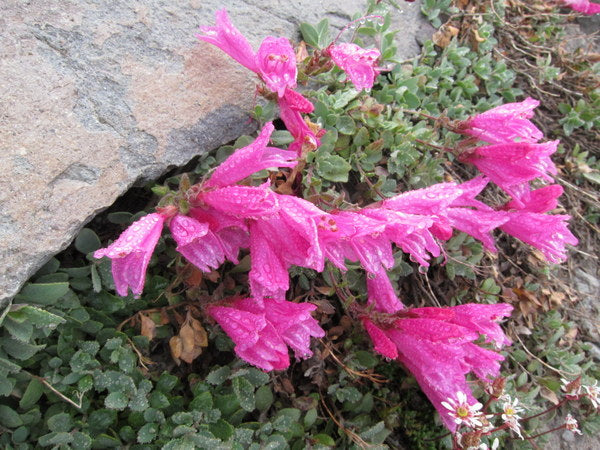
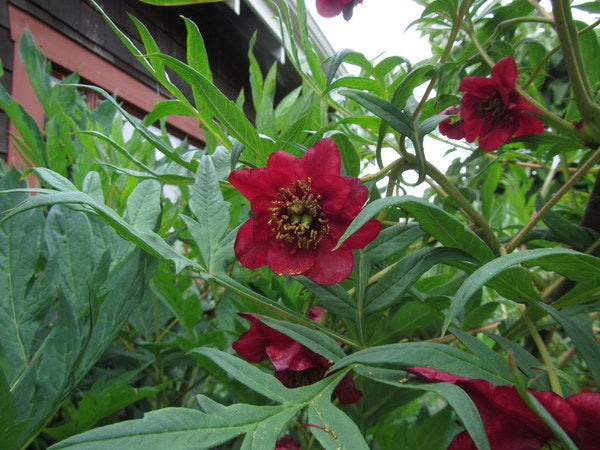
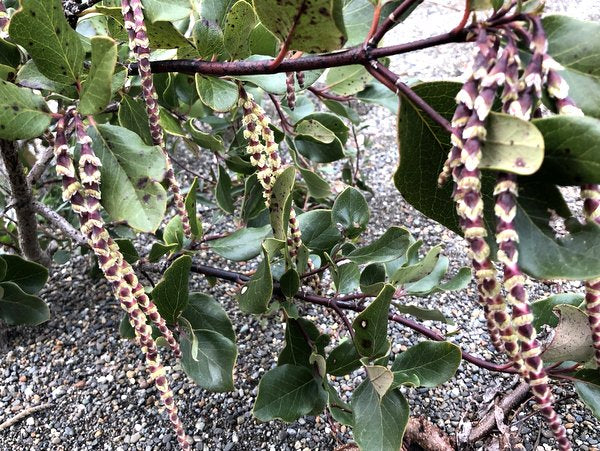
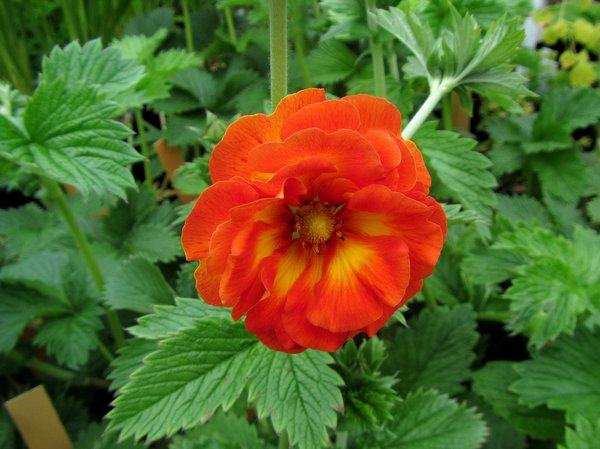
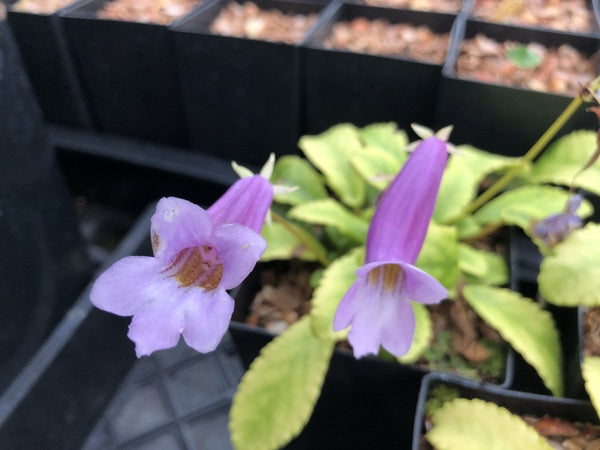


Perhaps the most widely grown species of this genus rarely seen in the Northern hemisphere but much beloved by those in the know. This is due to its history of cultivation as an edible substitute to taters, but having seen the tubers myself I think I'll be stickin' to spuds. Also perhaps one of the hardier members with some making claims all the way down to 7b. However the range is large and varied in elevation, this Guatemalan collection as of yet remains untrialled. Ours go winter-dormant in the greenhouses which makes it a good candidate for pot culture anyway, coming out in the warmer months to twine its way upwards until it explodes into a glorious array of bright pink, lime throated flowers.

A hybridizing dead end with no hope of winning the Lhasa Zingiberaceae Club Roscoea show and getting its time on the podium with adoring retirees from around the world ooh-ing and ahh-ing from their couches. Nonetheless these are sweet plants with their own appeal, just like your friendly mutt. Short with red stems and green leaves and flowers like that of "Red Gurkha" but with a varying degree of violet tinge.
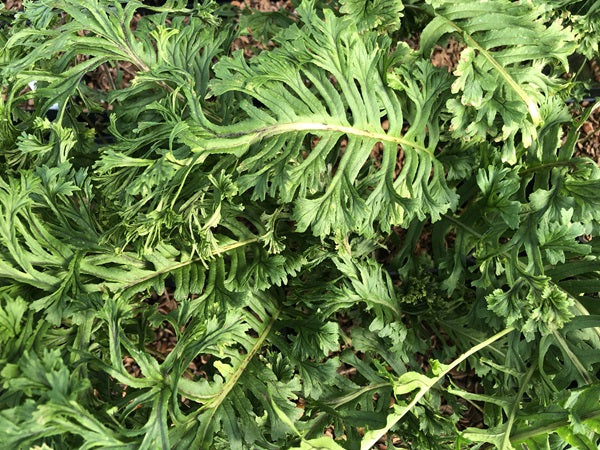
A plant of many names, 'Grandiceps', 'Grandiceps Group', 'Diane' here we have opted for crediting the original selector of this strongly crested form of our native licorice fern, Lawrence Crocker cofounder of Siskiyou Rare Plant Nursery and resident fern man. The edges and end of the fronds are highly curled and rippling ready to lend a flamboyant touch of crashing evergreen waves to the boulder or log of your choosing.