1718 products
Sort by:
1718 products
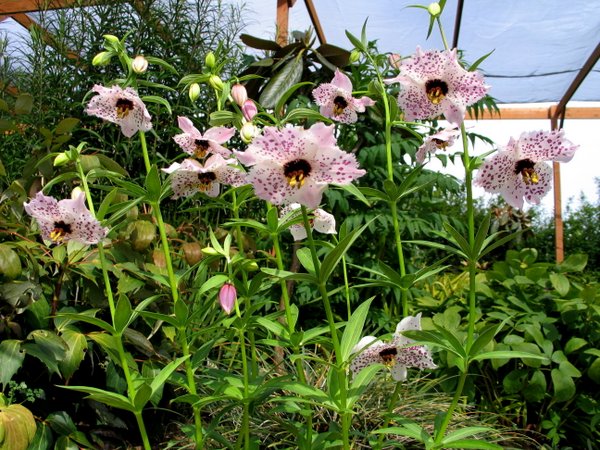
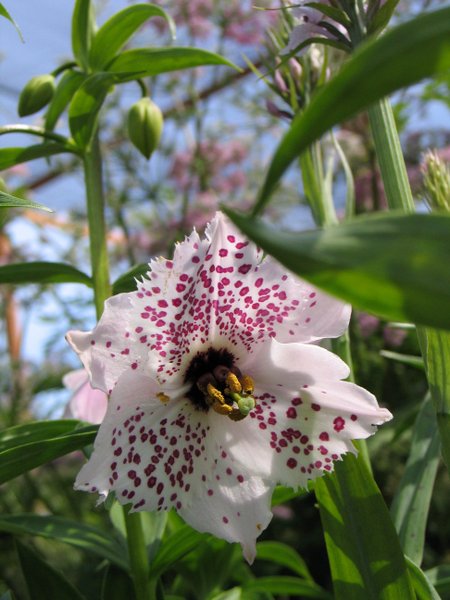
These are seed-grown bulbs from our original plants which we grew from seed we collected in the Cangshan in 1997. We were midway up the flank of the mountain and the weather cleared just enough to allow a glimpse far down to the plain below where the famed 3 Pagodas of Dali stood as faint pencil strokes fronting the wide expanse of Lake Erhai. A sight we will never forget. This a truly fabulous Lily relative with wide-open flowers dotted in maroon which open pink but age to white. When I go to the great compost pile in the hereafter, it is understood that Nomocharis pardanthina are to be strewn liberally on my casket. Rare and very choice. These are naturally small bulbs but they may well flower this spring. This will appreciate a cool site in light shade to morning sun. We know the related Nomocharis aperta can take a tough zone 5 winter and hopefully these can as well but we tend to be conservative so are sticking to zone 6 until we know different.
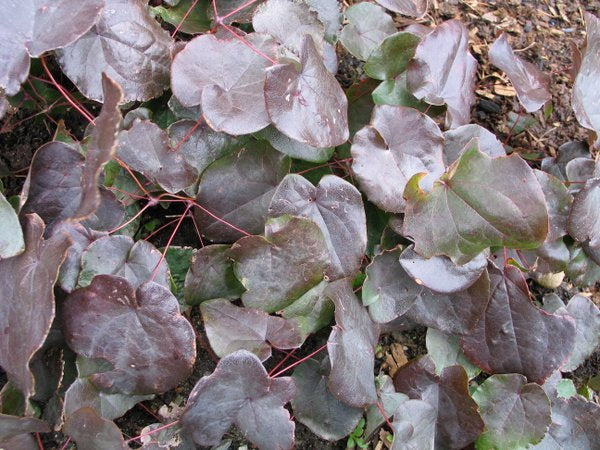
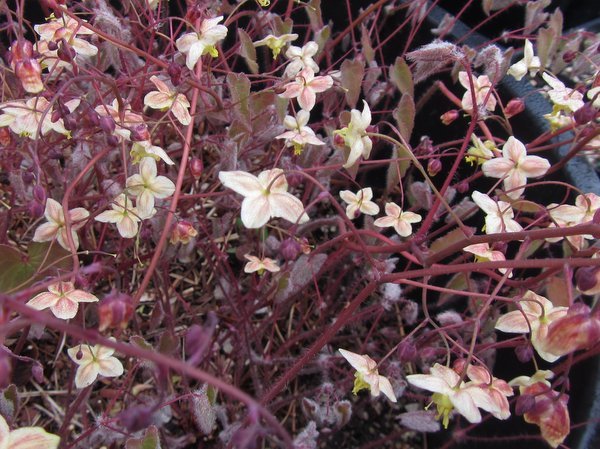
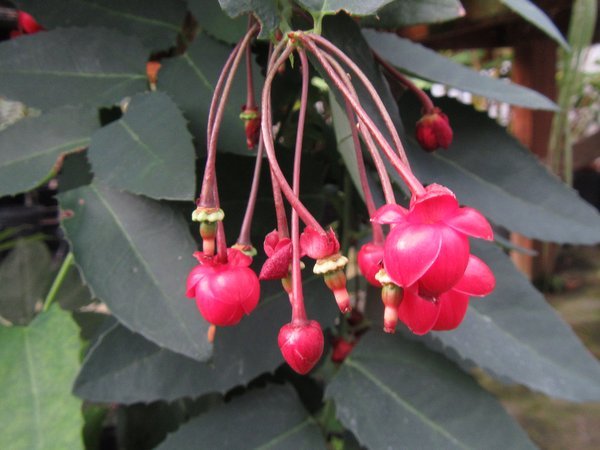
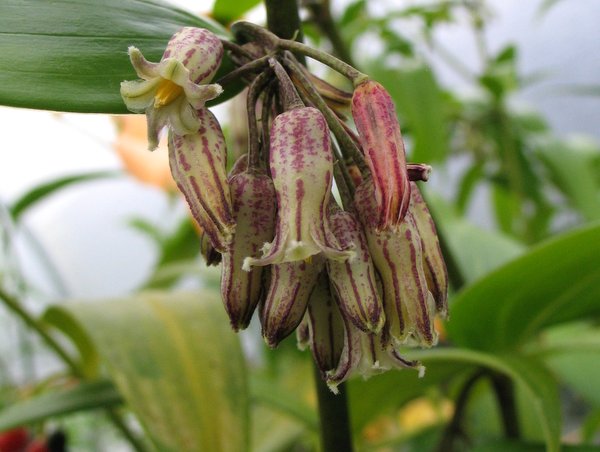
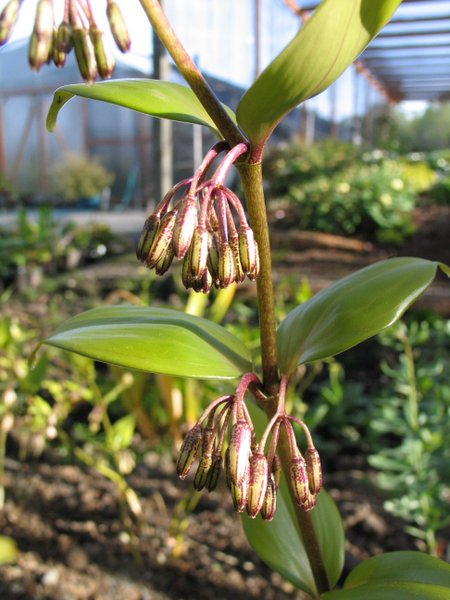
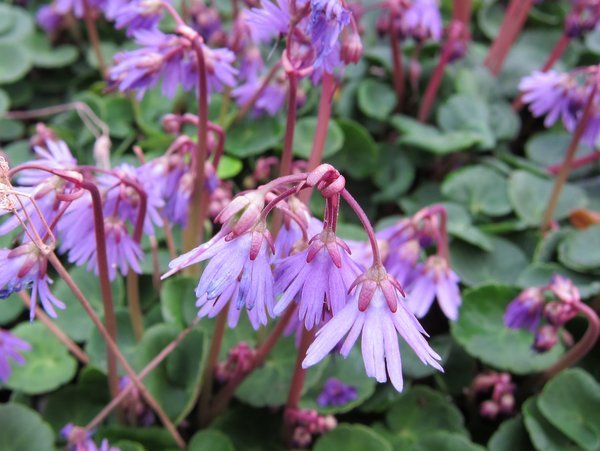
Very rare Solomon's Seal from NW India which has proven to be evergreen at least in our cool greenhouse. We've not tested it outside but suspect it will be evergreen in mild winters at least. Creamy bells with darker mottling hang beneath the glossy leaves. Loose moist organic soil.


This one is for all my Risk enjoyers, for all those times your parents bemoaned the 3 hour timesink into an epic board game, because this little poppy hails from that all-important strategic chokepoint of geopolitics roleplaying—Kamchatka. Possessed of all the delicacy required in war-time negotiation with paper thin soft-pink flowers and lacily divided foliage, its as difficult to acquire as its home peninsula and can be as challenging to keep due to its Siberian origins. Wants near perfect drainage in a rock or pumice-laden mix and to be kept from strong heat and humidity.
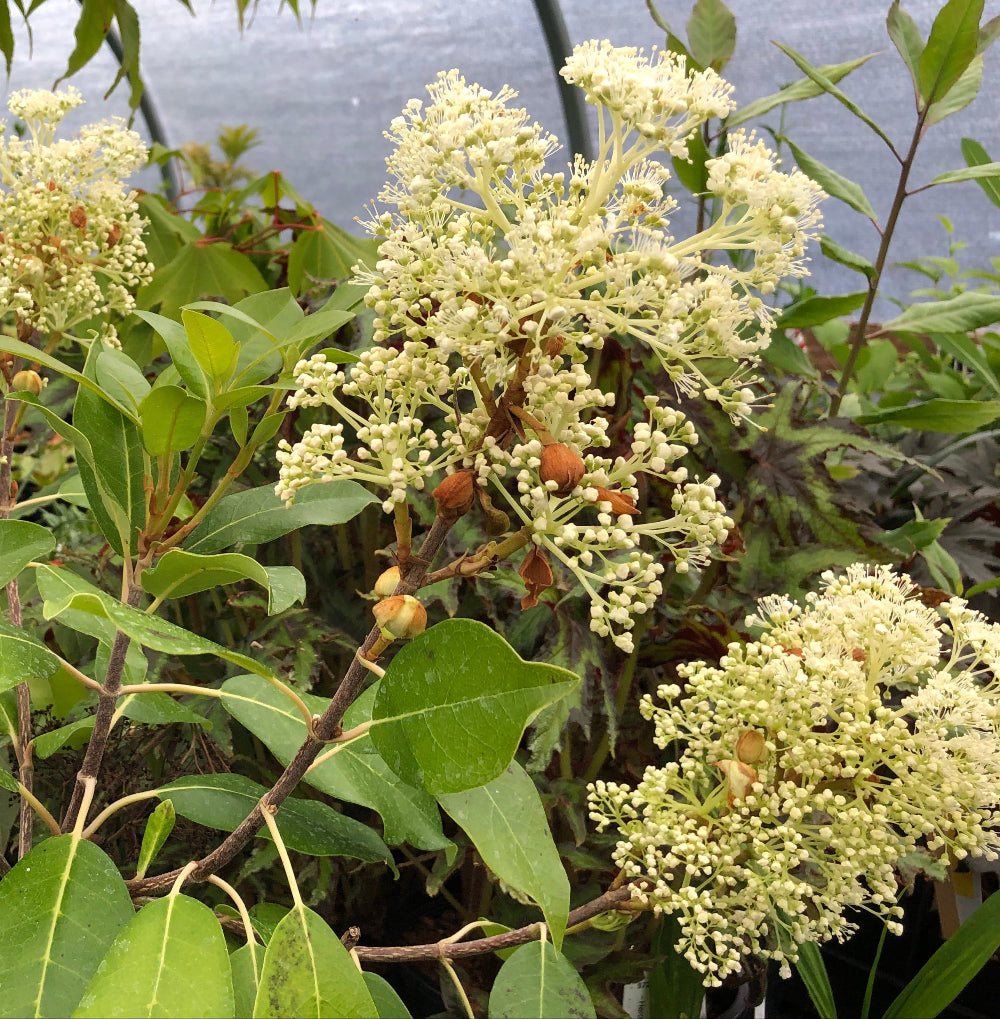
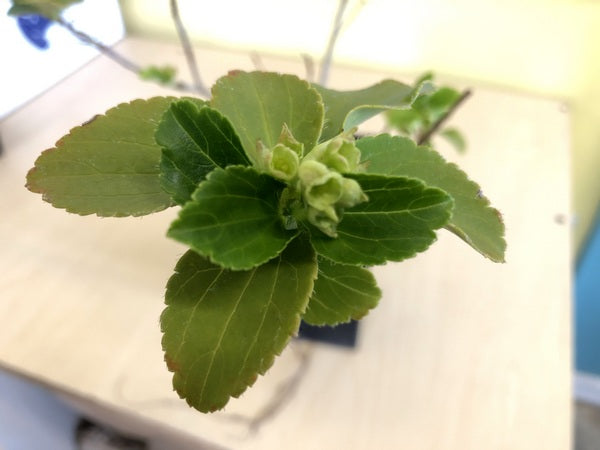
Serious business here. Martin Grantham of San Francisco hybridized the Mexican seemanii and the Chilean serratifolia to take these two evergreen climbing Hydrangeas to another level of plant nerd necessity in this vigorous child of an inspired horticultural round of matchmaking.
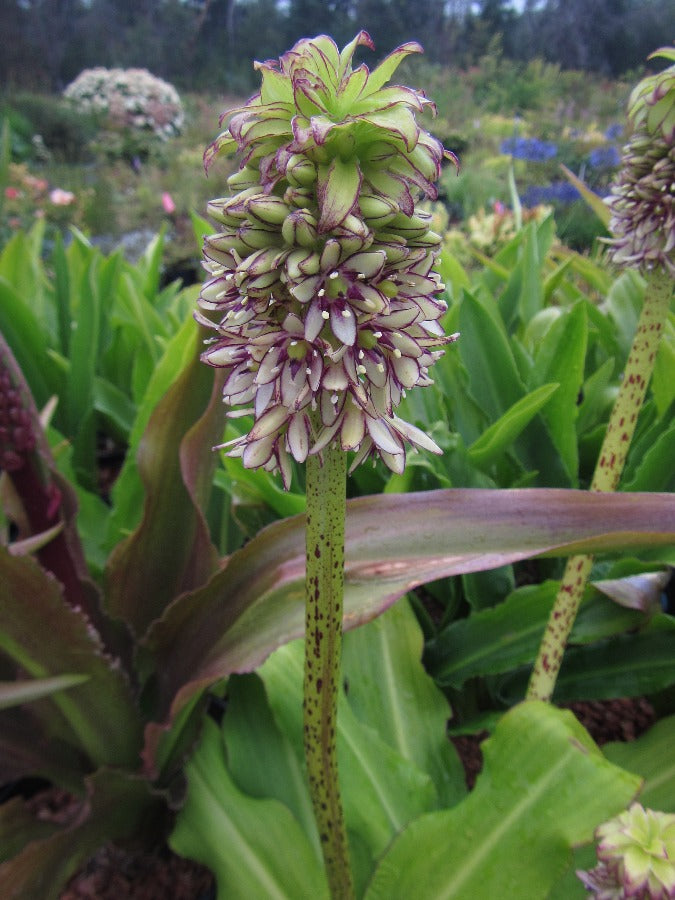
Like a true American statesman this plant fulfills none of it's promises and gives you plenty of the unexpected. Contrary to it's common name of Pineapple Lily this is neither pineapple nor lily, luckily the unexpected reality is a shockingly easy South African summer bulb. Attractively lax rosettes of thick strappy light green leaves sometimes freckled red at the base. Flowers in a raucous spike of pink and white stars topped by an unkempt mop of green bracts, almost like a florist's recreation of a pineapple. Easy to please in a sunny spot with decent soil and can tolerate some degree of shade.
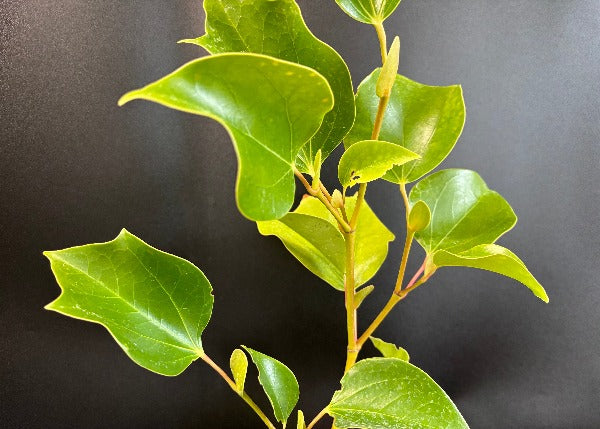
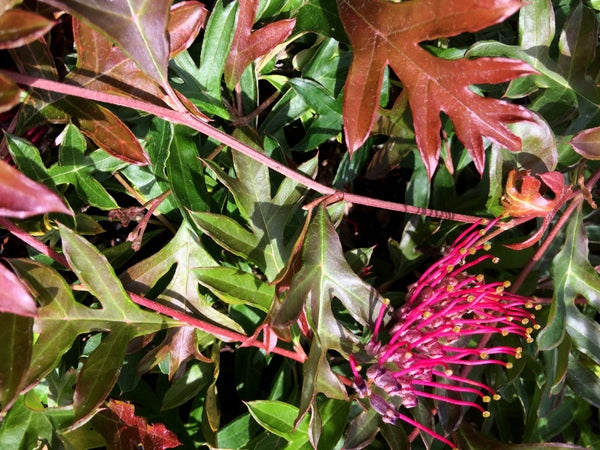
Quite the distinctive Grevillea being a true groundcover growing very flat to the ground. The oak-like leaves are bronze when young and mature to a dark green both colors providing a fine backdrop for the large feathery combs of red flowers. This is likely not hardy below the mid teens but is grown successfully at the Barca garden on Whidbey Island in a raised bed against a south facing wall and also is luxuriant at the Miller Botanic Garden in Seattle where it flows down a slope and where curator Richie Steffen gave us our cuttings. Sun and good drainage and low phosphorous if you do fertilize. At least this is easy to cover being flat in the event of a severe cold snap!