
1718 products
Sort by:
1718 products





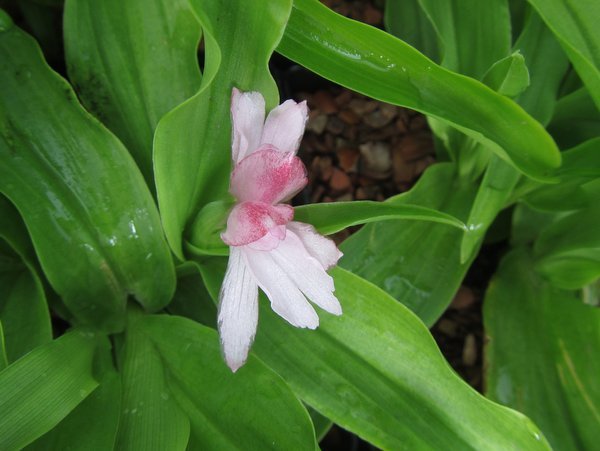
Diminutive member of the true Ginger family, this little tuberous jewel makes up in volume what it lacks in size. Exotic small orchid-like flowers of soft pink. These increase by offsets and self sow making a grand little patch time with loads of the intricate little flowers.


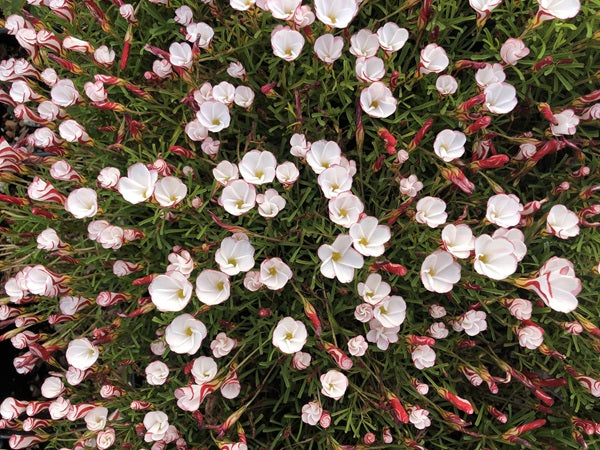
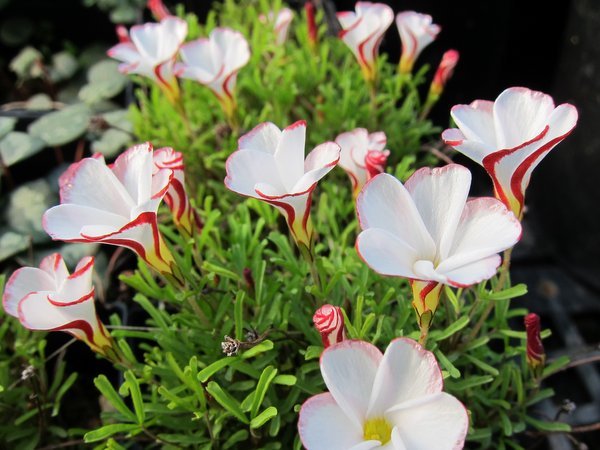
The enemies to lovers trope never gets old in my opinion, and we do our part to contribute by growing this twee South African delight. Banish thoughts of weedy wood-sorrel from your fraught gardening mind and simply embrace the saccharine sweet candy stripe flowers of this bulbous species. While unfortunately frost tender these are quite easy and adaptable as a houseplant, where it provides a pop of winter color in Dec-Feb. Goes dormant in Summer but the unique three-finger foliage arrives in Fall.

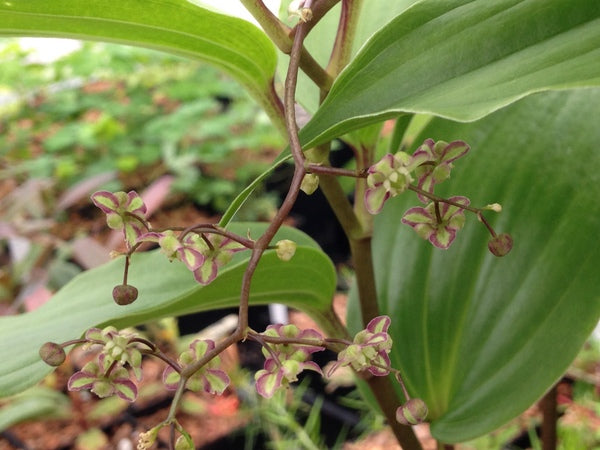

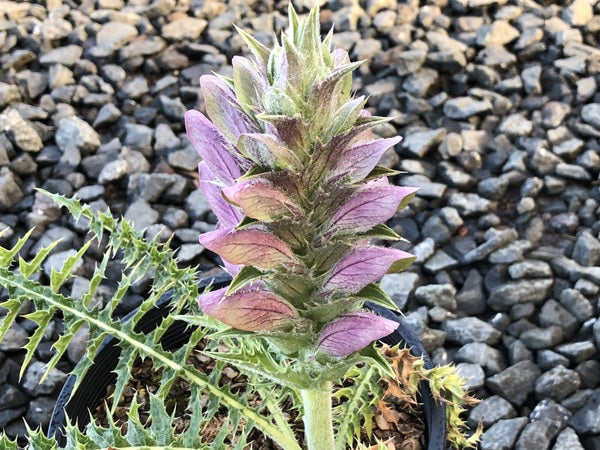
An intricate departure from the coarser Acanthus commonly found in gardens, this far more diminutive with low, finely cut, thistle-like foliage less than a foot tall and short 16" flower spikes with pink flowers backed by gray-green calyces. Like all Acanthus, this will spread by suckering rhizomes. Unlike all Acanthus, this is frustratingly slow (from a nurseryman's standpoint) and very easily managed if indeed you feel compelled to manage this slow and desirable expansion.
Ours has been in the ground for several years and last year we finally were able to divide off a few pieces to pot up. Full sun and good drainage. Hardy here but perhaps mulch in cold zone 7. Might be ok with the same in zone 6 but we have no experience. Thanks to Panayoti Kelaidis for correctly identifying the species.