
1718 products
Sort by:
1718 products
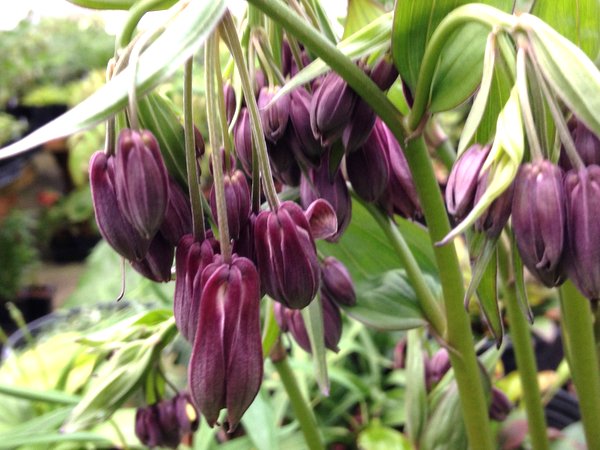
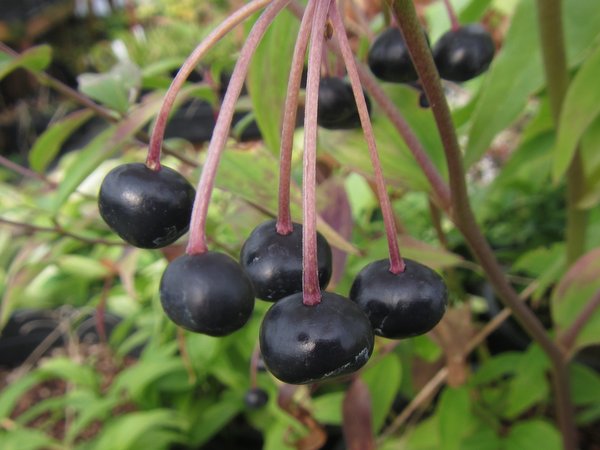
Our Asian collection of this seductively compelling woodland species. All parts in all stages have a synchronicity of poised loveliness that binds the gaze to that moment slowing time and pace allowing one to absorb beauty be it a nascent unfurling, ornament of purplish bells, refinement of green or understated black pearls.
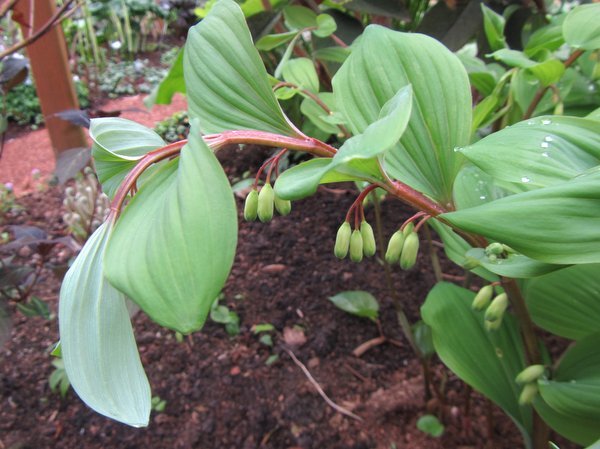
From wild-collected seed in the Russian Far East which was distributed 20+ years ago by Dr. Berkutenko. This is a lovely form of a widespread species with fairly compact habit and attractive leaves and has long been a favorite of ours. Very good bloomer with lots of white flowers held beneath the leaves and followed by a good display of blue-black round fruit. Hardy nearly anywhere as you might guess from its origins.
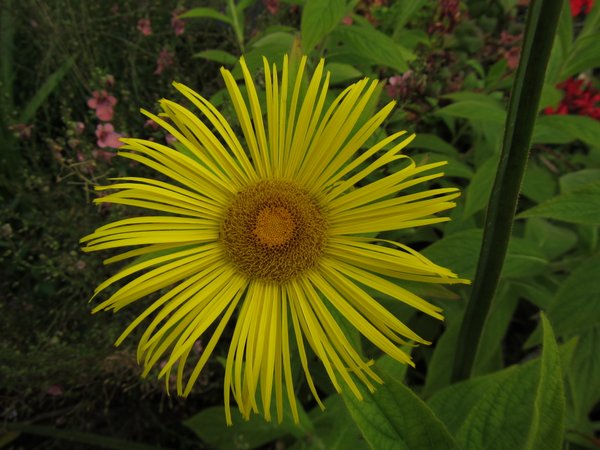
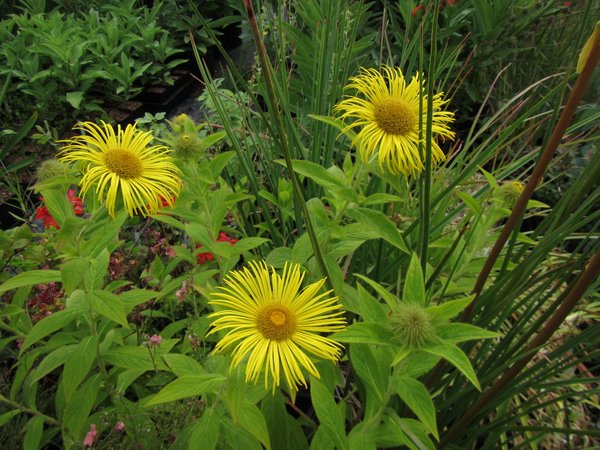
First introduced to cultivation by Joseph Hooker, one of the preeminent botanists of the 19th century and buddies with Charles Darwin. Our fern and rhododendron greenhouse is named for him. This is a strong growing, fine-petaled yellow daisy whose flowers emerge from fuzzy buds so intricate they might befit some beautiful undersea reef creature.
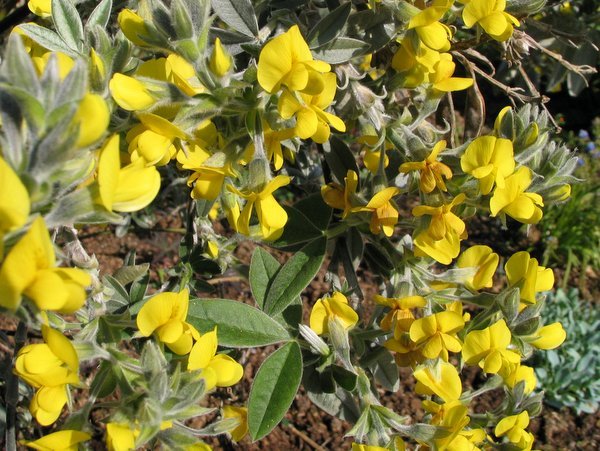
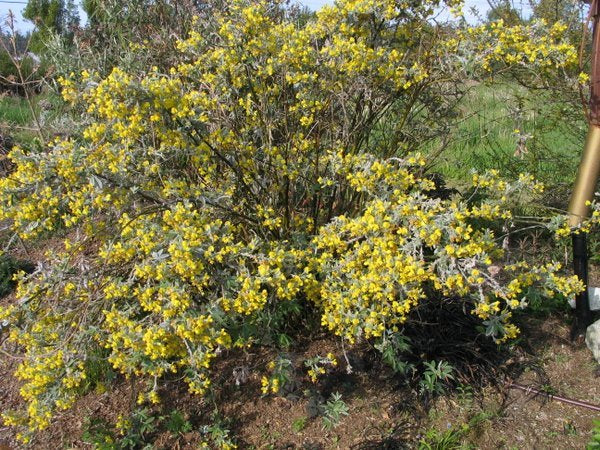
Our collection from Yunnan in 1997 of this cream of the crop higher elevation Piptanthus. Imagine our excitement seeing just 3 plants growing in a rubble outflow at the base of a steep hill after hours of walking across the valley of the Gang Ho Ba. Great silvery silken trifoliate foliage and large yellow pea flowers. This makes a multistemmed rounded shrub to 6' tall in our border. Most folks mistake it for a shrubby Argyrocytisus (Cytisus) battandieri until it blooms with flowers evocative of Laburnum. We've grown and killed several collections of the green-leafed P. nepalensis but this variety (which we have offered in the past as P. aff. tomentosus and much earlier as P. forrestii) is far hardier having withstood early November 14F with strong winds despite not being hardened off as the previous week had been in the 60's. Thanks to Grahame Ware for sharing recent research in the genus and hopefully nailing down the correct name. With botany however, never say never.
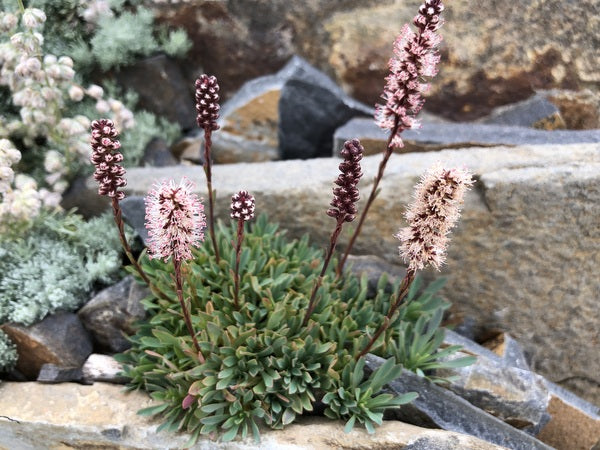
Grown from seed we collected from plants growing on a sheer rock face in Colorado. This population is known for its color variations from the usual whitish theme and our young plants have yet to flower so we are twitchy with anticipation. We first saw this species growing among the ancient Bristlecone Pines in the White Mts - that day was magic! Grows in rock cracks/crevices or stony open ground in dry situations. Evergreen mat-former.
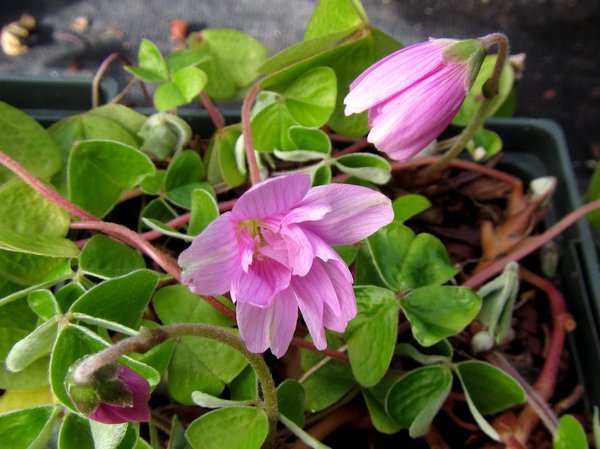
Oxalis griffithii is an uncommon woodland clumper from Japan with single white flowers typically. Rarely can you find the double white form which is quite choice. Scarcer than hen's teeth is the double flowered pink form which marks you as a collector of the highest caliber. This is one of those botanical treasures where feeling smug is justified.
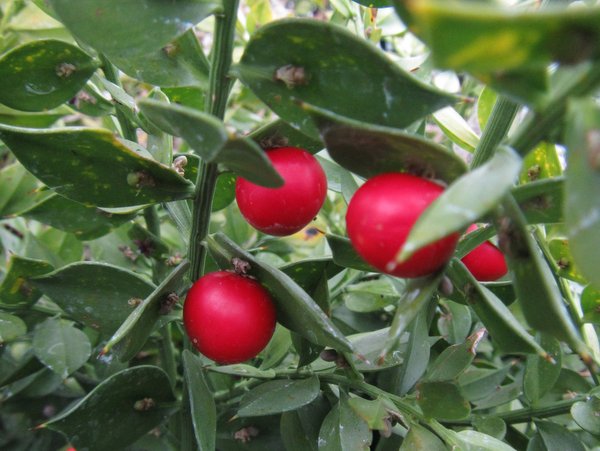
Exceptional selection of the European Butcher's Broom which is an indispensable evergreen deer-proof shrub for shade. The ornamental feature on this are the large red berries which sit squarely on the middle of the "leaves". This is a self-fertile form so it will always bear fruit and it will get to 4' in 10 years.
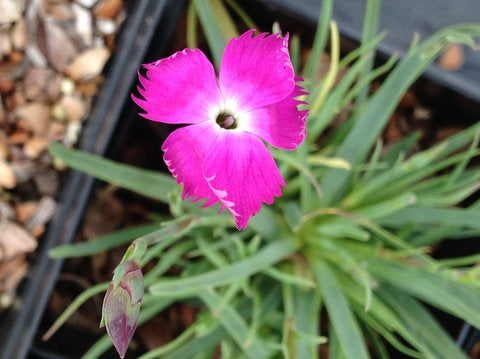
A seldom-encountered Dianthus which hails from the mountains in South Africa where it is commonly known as the Drakensberg Carnation or if you are truly local, Hiokoa-La-Tsela. Apparently the local indigenous use this medicinally as well as in magic - we can't speak to the efficacy of the former but we can say we are transported briefly to another realm when this flowers. Nice pink flowers on slowly spreading mats which is best suited for the rock garden. Good drainage in full sun and hardy to zone 7 and possibly lower.
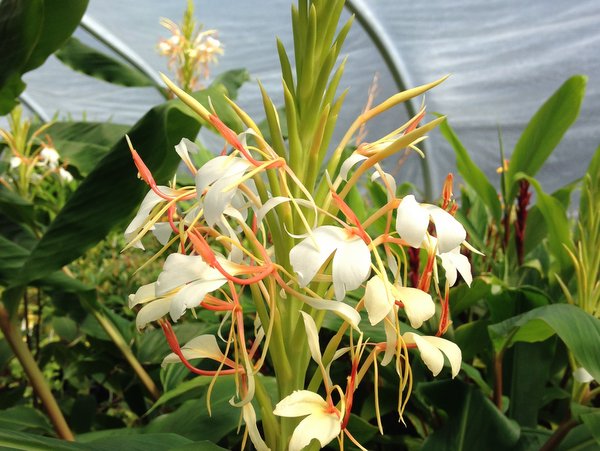
This is one had thought was Hedychium spicatum var. spicatum but are now thinking it is H. yunnanense. This is a much larger plant than any of our spicatum collections getting to over 5' tall and has a much larger and denser inflorescence packed with far more flowers - up to thirty. The flowers resemble spicatum in their shape and white and coral colors and the resultant orange-red fruit is also very similar.
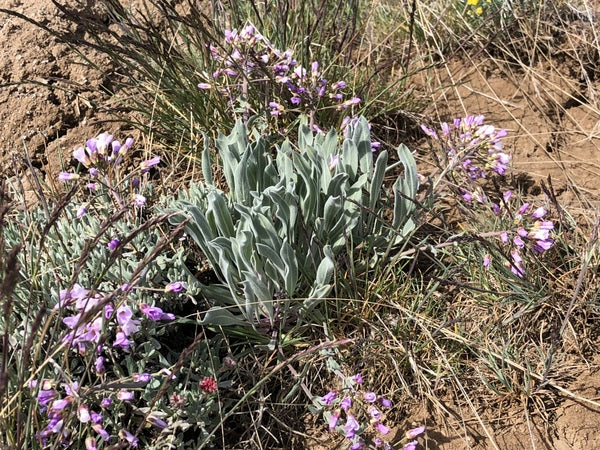
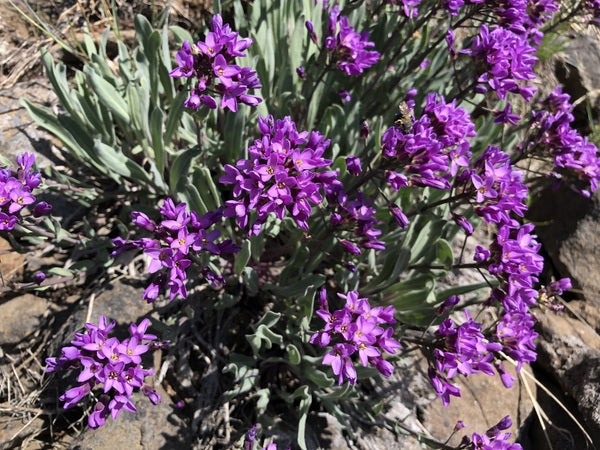
Daggerpod. Love this plant but honestly, that doesn't narrow the field much. Eastern slope of the Cascades in WA, OR CA, to ID and NV growing in dry shrub-steppe slopes and open pine forests. Softly hairy gray-green to sea green leaves with wallflower-like flowers usually pink but rarely near violet or white. Rock gardens.
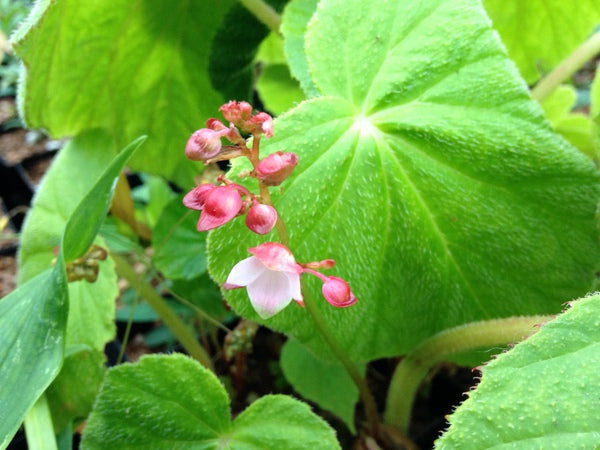
Large green leaves stippled in evenly spaced pale hairs and small flowers pink in bud and on the reverse, opening to nearly white with the gentlest of pink touching the face. A rhizomatous species that has been hardy in mild PNW gardens especially if mulched in winter with something airy yet insulating. A Hinkley collection from China.
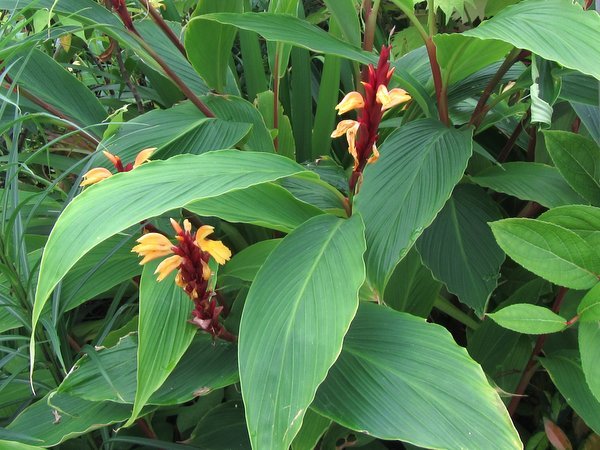
Cautleya have proved to be excellent plants for the garden here and one of the best is this Wynn-Jones collection from the Darjeeling area in northern India. Good red bracts hold yellow flowers in a tropical embrace during August into September in your temperate garden. Part sun to light shade in rich moist soil. Mulch in winter in case of arctic annoyance.

Love Moraea and a lot of them are winter-growing and too tender for us but this is one that is summer growing and flowering which fits right into the program! Narrow green leaves with a slight tunic at the base, not as flamboyantly netted as in M. alticola. Lovely yellow Iris-like flowers come in succession on stems above the leaves.


Horned Poppy. Officially designated as a Xeric Awesome Perennial, these originally came to us as seeds from Panayoti Kelaidis' home garden in Denver. This has rosettes of foliage which erupt in early summer to 2'-3' branched displays of orange to yellow poppy flowers. Nifty long curved seed pods too. This really wants good drainage in lean soil with hot sun where it will self sow which is good as the parent plants can be short lived. We had one make a low wide dome of gray-green foliage and we counted between 400-500 orange-yellow flowers on it - hopefully some of these seedlings will carry on the tradition. Some of these will be Glaucium flavum, some will be grandiflroum and others will be obvious hybrids but none will disappoint.

A selection by Piping Tree Gardens Nursery of this dwarf species from Alabama where spring starts early and so does this phenotype of the species. The March flowers are delightful little imps and why not get the party started a little early, we always say. Ultra-cute rhizomatous clumping species to just a few inches high with irrepressible perky upward-facing scented white flowers.

Purple Stem Sweet Box, Wonderfully fragrant winter bloomer in December and January whose small white flowers with pink calyces perfume a disproportionate area relative to their size. Narrow alternate evergreen leaves on a plant up to 30" tall but usually shorter. This small evergreen is the same plant offered as var. digyna which has opposite leaves or as var. humilis which is a synonym of var. digyna but the taxonomy shifts like the wind.

Codonopsis are curious things. These are herbaceous vining relatives of Campanula or Bellflowers and seem an unlikely expression of such. From an almost bulbous root arises several tendril shoots which love to twine into surrounding shrubs from which to display their 2" dusky lavender star shaped flowers. Usually the foliage carries a musky scent but true confessions, we can't remember if this species does writing this as we are in the middle of winter. An unlikely armature for such improbable and lovely flowers. Many species of Codonopsis are dug in the wild as their roots are eaten although we wouldn't encourage you to try it. There's carrots in the market after all. These are young plants but should flower this year.

A very uncommon pink form of of our native Grass Widow. Like all of our Olsynium selections, this has been a long process of a decade or so to get this to a size where division is possible and we feel like we can safely release a few. Early flowering in Feb-Mar and fully dormant by summer. Myriad variants can be found in flower shape, color, size, time of bloom etc. and it would be easy to go Galanthus on this species in terms of collecting mania. We speak from first-hand experience on our Olsynium descent into madness. Multiple shoots which may or may not flower as it is hard to tell when dormant. This is a winter-spring moist plant which goes dry in summer in the wild where it grows in fairly heavy soil.


February Daphne. Narrow upright small shrub whose bare branches are clad in early spring with lots lavender pink flowers. The light blue green leaves appear after the flowers are done and all in all is very desireable plant. These are small starter plants which will settle right in.


Evergreen Hydrangea vine which superglues itself to the trunks of Douglas Firs like they were made for each other. This will climb skywards to 20' and lighten the forest shade with its lacy 6" wide white flowers. Best if watered in summer and given good rich soil. Beauty.