
1718 products
Sort by:
1718 products
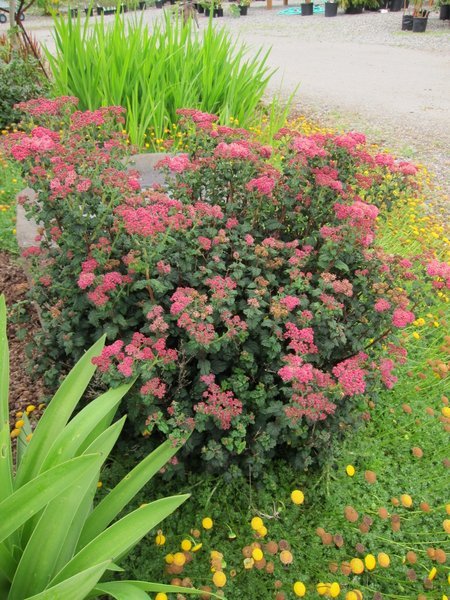


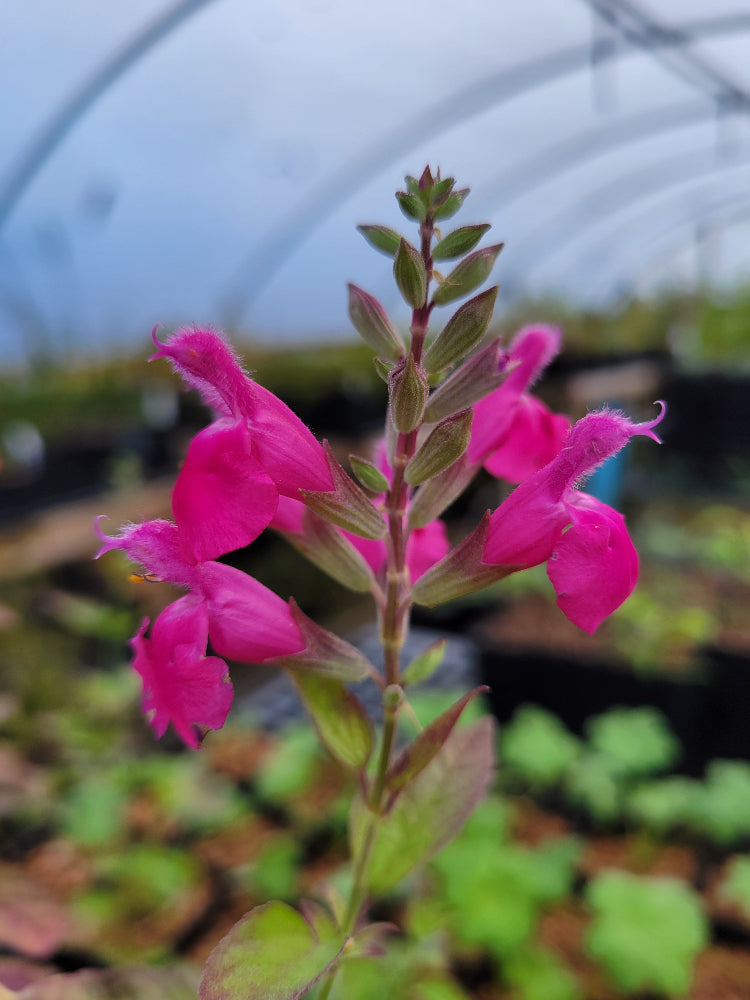
A collection from the Northernmost part of the range (Arizona) for this Salvia which reaches all the way down to Central America or just into Northern Mexico depending on where you draw taxonomic lines. An evergreen species, though best cut back in our climates, with hot pink flowers that are gently fuzzy on the upper lip like a pubescent teen, only attractive and charming rather than disconcerting and in need of guidance. Perennial in at least Zone 8 if not slightly lower and can be used as an annual in colder climates.
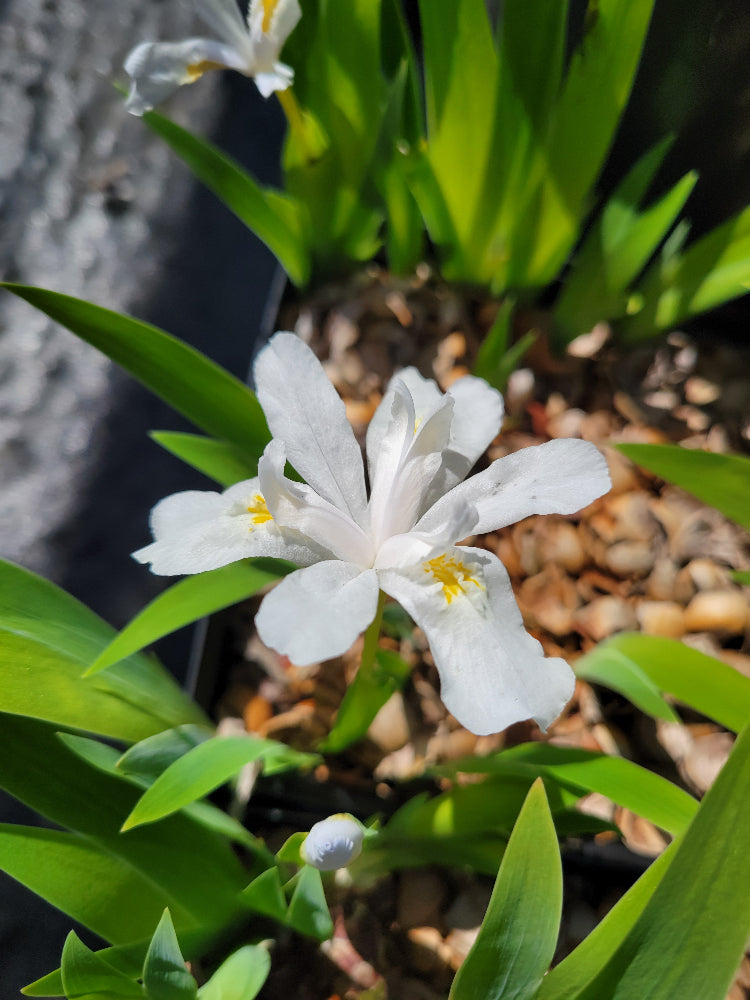
A pure white form of the Eastern US native dwarf crested Iris selected by Don Jacobs. This Angel is one of life rather than death rising up to the diminutive heavens in late Spring. Likes a moist shady woodland home and will softly spread it's angelic wings to form a nice clump in time.
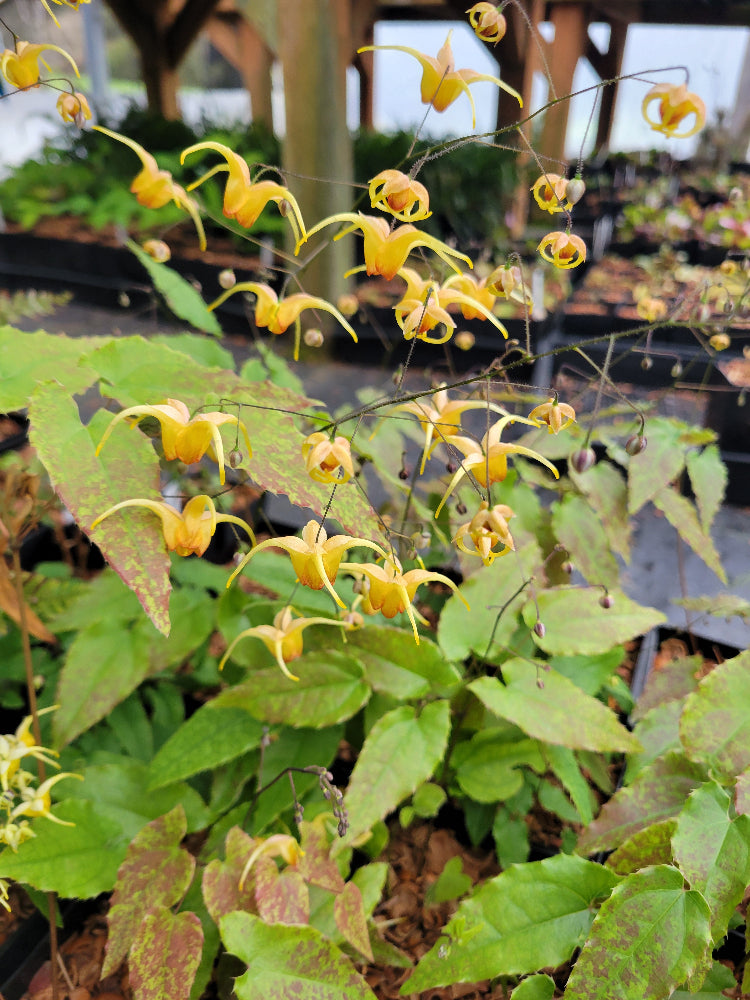
One of the best of the new high-quality barrenwort hybrids that have been taking the market by storm as of late. It's no secret why these are being produced so broadly, deer resistant semi-evergreen that can take dry shade and cold temps is not a common set of attributes. Add to that the golden orange flowers profusely produced in this cultivar and you have a plant intro with some serious staying power.
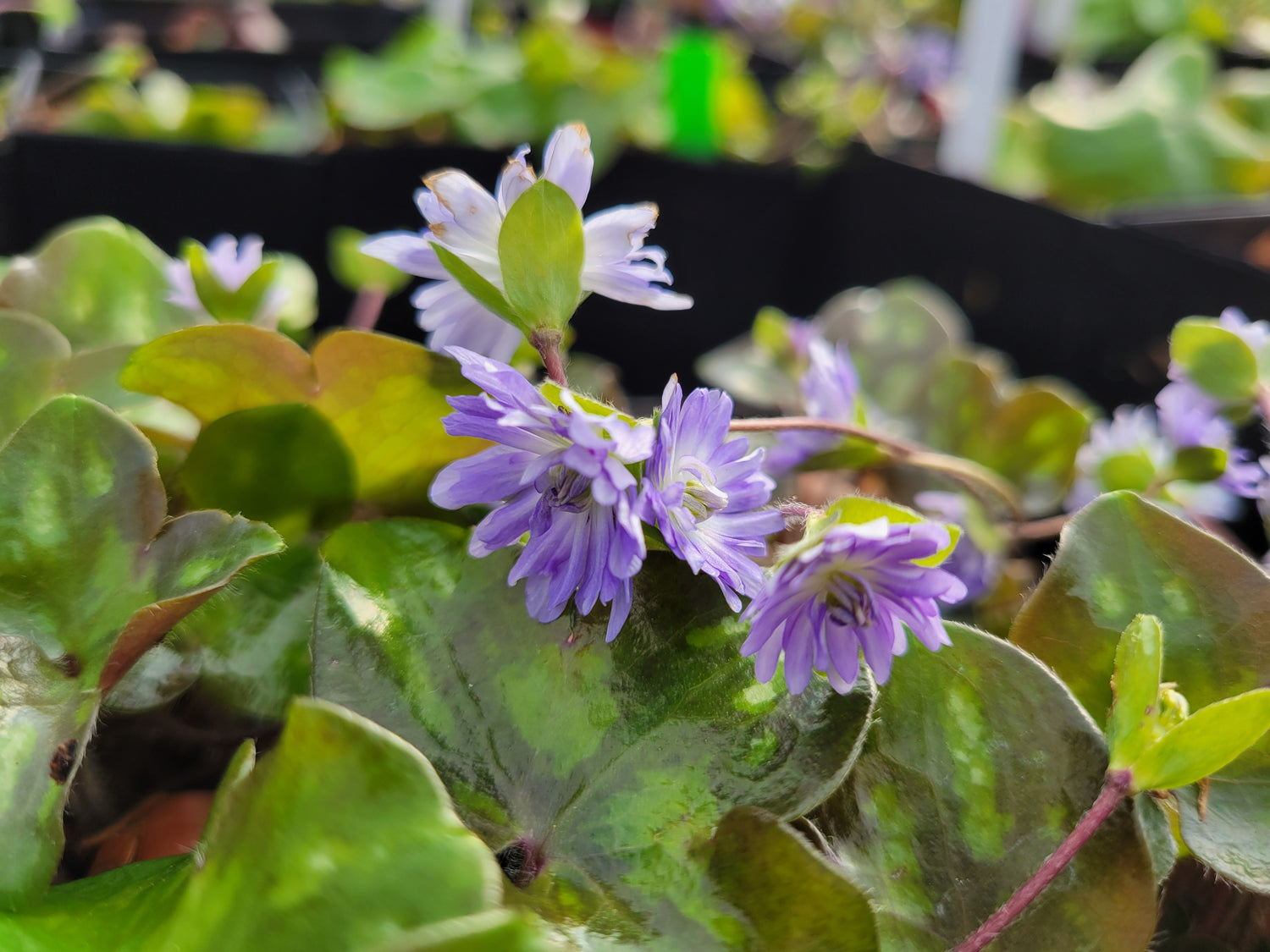
One of our treasured Hepatica selections rarely offered due to jealous hoarding and nature's snail-like pace. These woodland delights are one of our favorites, so much so that they have a whole house dedicated to their culture! This form features nice purple flowers with a second layer of overlapping petals, not quite as petal-packed as the true double japonicas but still quite frilly.
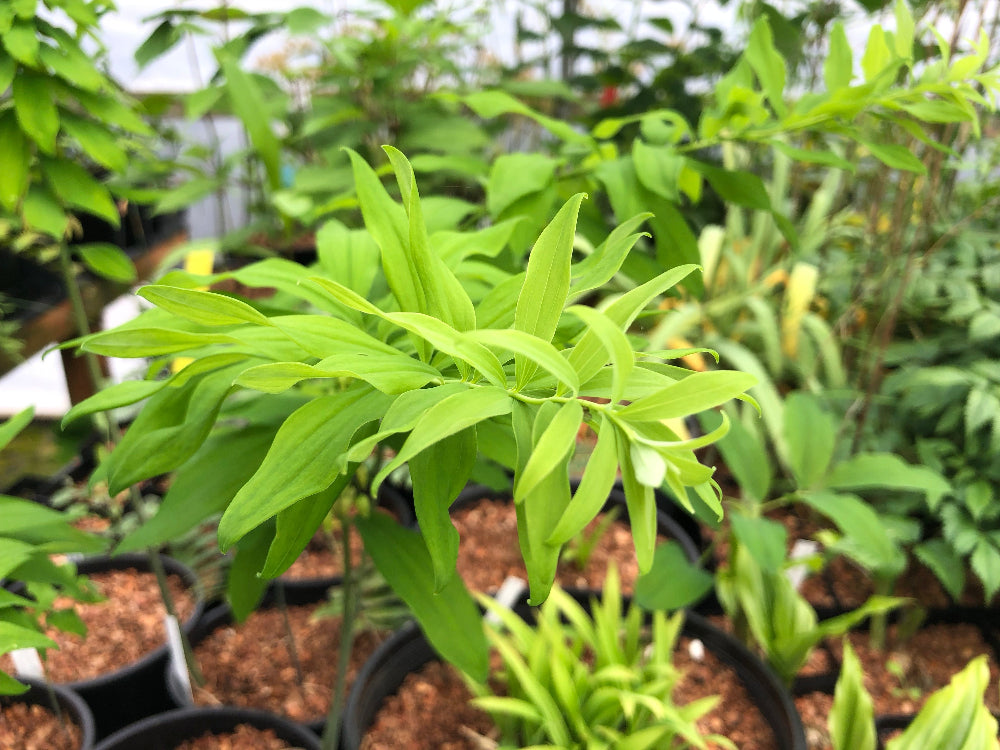
More is more says Feather Boa, give into your sinful excesses! Species purists be damned we will flaunt our genetic freaks! Just like the fashion item for which it's named this Solomon's Seal cares not for demure two-leafed-ness, nor does it desire orderly whorls instead it produces a flurry of leaves splayed across the top of the stems that look like the rippling feathers of a fantastical bird. Very rare and very choice selection of this common species.
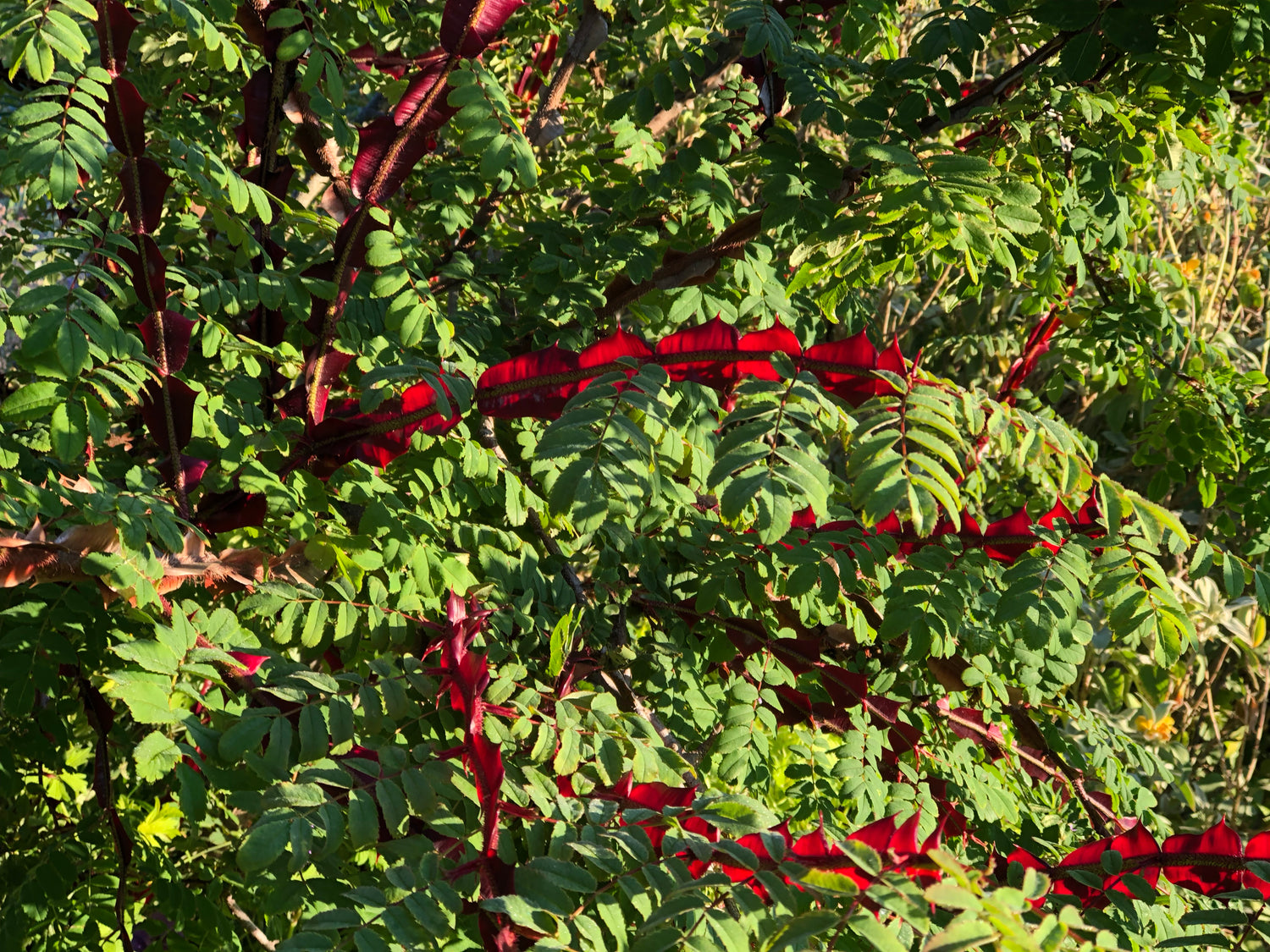
Rosa sericea subsp. omeiensis f. pteracantha was the name when we collected this stunning form of the Winged Rose in 1997 in Yunnan. Perhaps the best form of this variable species (horticulturally, we like the useful distinctions of physiology such as f. pteracantha denoting the larger prickles, botany-speak for rose thorns) which has very large blood-red prickles - sometimes literally blood red if admirers are too closely ardent. These glow like stained glass when backlit and are much larger than the form commonly circulated in cultivation. Other differences are the single white flowers are larger and the narrowly flask-shaped orange hips are shaped different as well. This is very robust and a 15 year old plant is 10'x 15'+ in our hedgerow bed. The thorns turn shades of gray-brown with age and when the wind blows, they chatter against each other like the teeth of unseen creatures at night when you are lost somewhere you shouldn't be. We liked it so much we gave it the name 'Red Menace'. These are seedlings so technically we can't call it Red Menace but they come true and they don't root or graft well so Red Menace it is! If the size is intimidating, many gardeners coppice the species, cutting large plants back hard in early spring to force a thicket of vigorous new growth sporting flamboyant prickles.
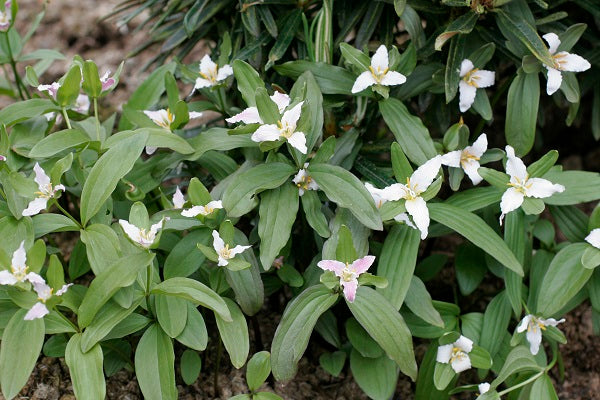
Bestowed the unflattering common name of "Least Trillium", its charming appearance tends to disagree, though to be fair to old folkways it is indeed one of the smallest trillium species. One of the stalked trilliums featuring a trio of slightly undulate white petals sometimes tinged with pink subtended by semi-rolled sepals. Yet another case of size matters not.
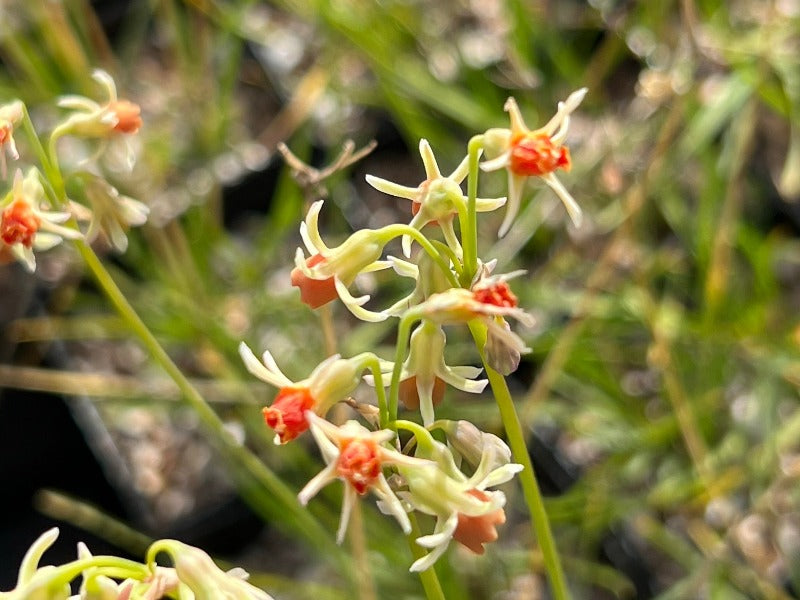
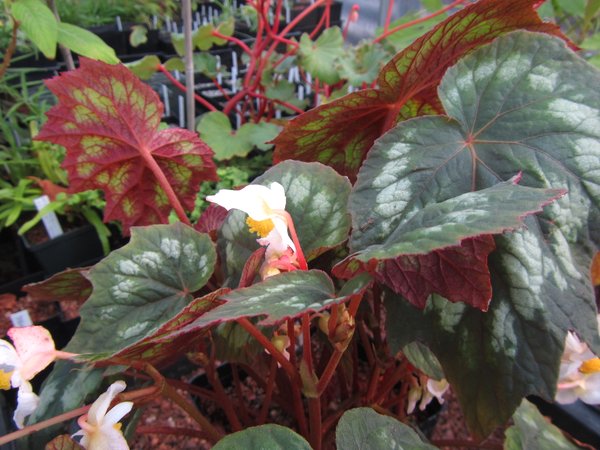
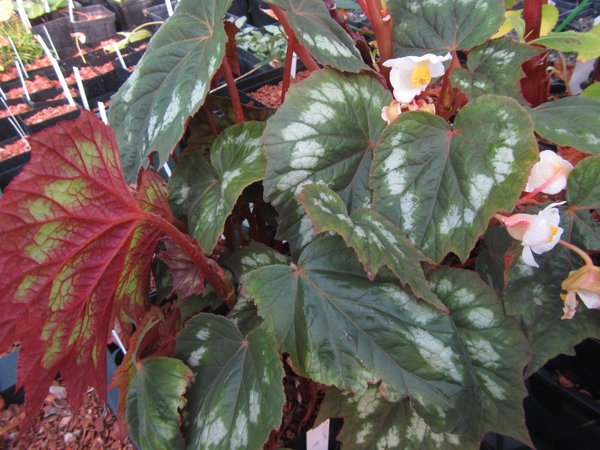

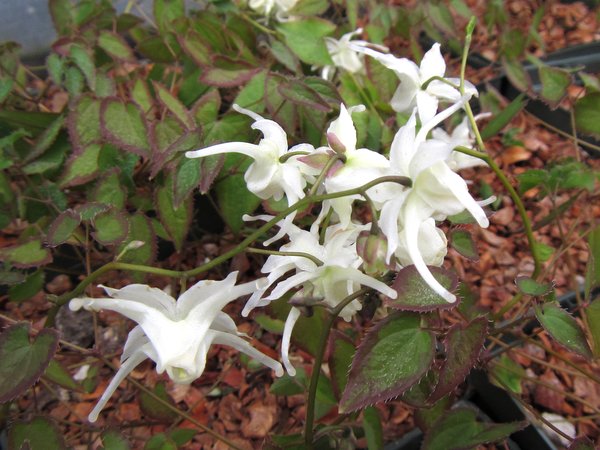
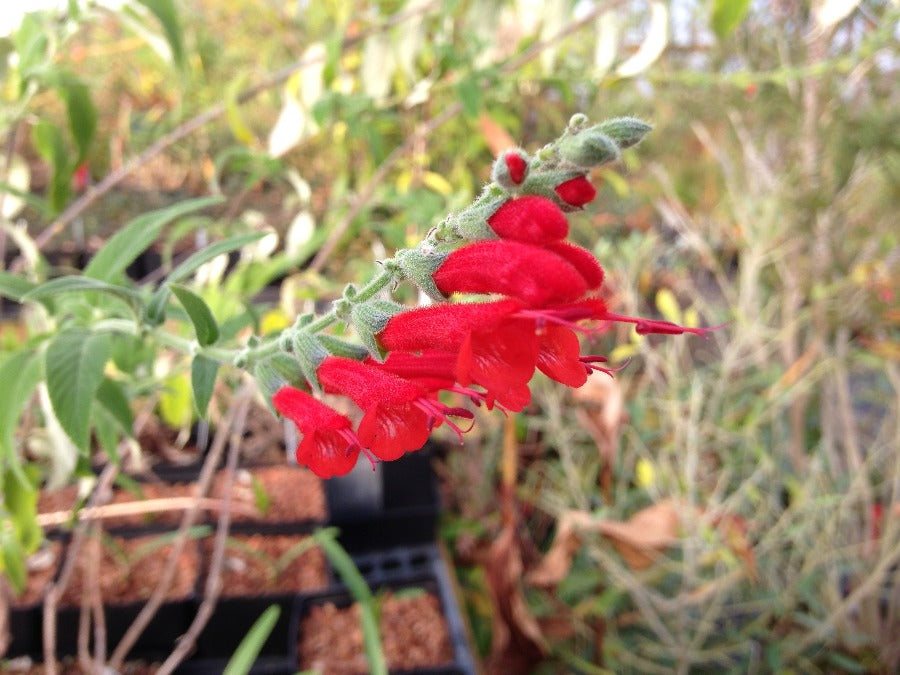
The ticklingly named Prawn Sage (unexpected culinary pairing or wizened crustacean?) sports prawn red flowers typical of the genus but with the added flair of attractively felted leaves highlighted by a bright white underside. These were wild collected by Ben Kamm of Sacred Succulents as a part of his effort to source and distribute ethnobotanical plants of the Andes. To that end they like it dry and sunny, the hardiness is also a bit limiting but these are easily grown from cuttings to provide a self-perpetuating supply of annuals in colder climates
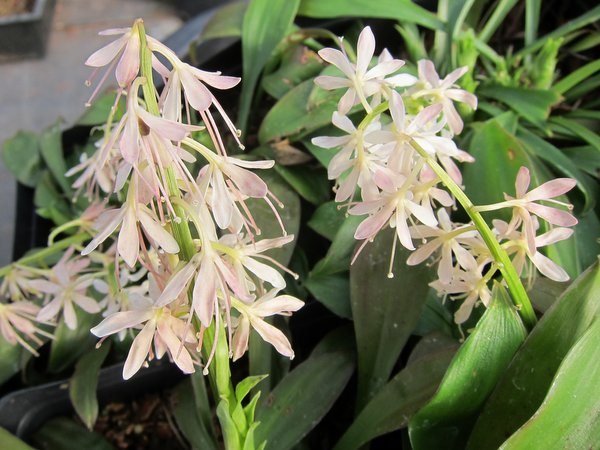
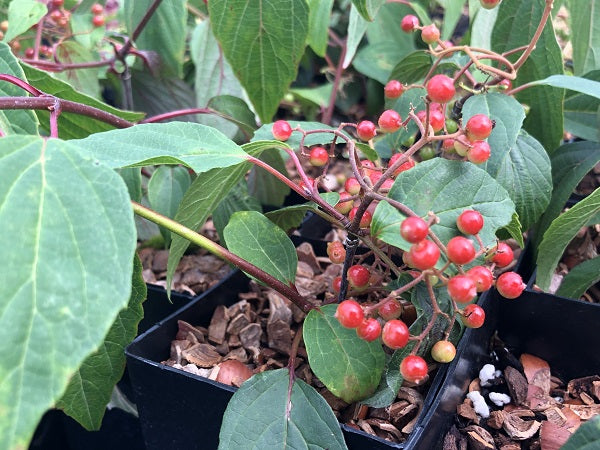
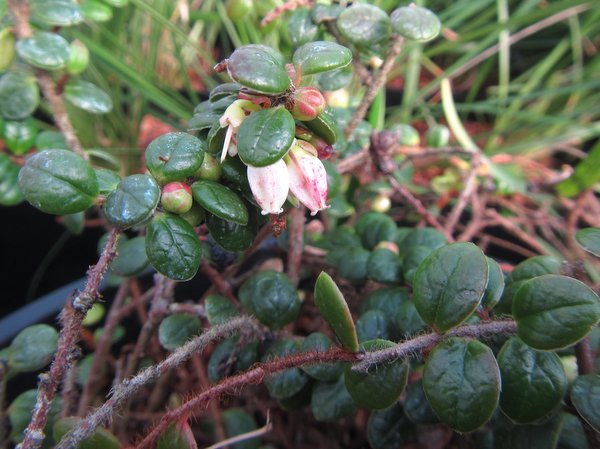
Thank gods for Steve Hootman of the Rhododendron Species Botanic Garden who is a champion of the lesser Ericads otherwise we would be blissfully unaware that so many necessary plants such as this existed and this rare epiphytic Vaccinium is just such a plant. Fortunately Steve did not assess a leech surcharge appended to each sale of this plant otherwise we would be in serious trouble as they were legion in the Salween and his stories of his boots squishing as if filled with water from the monsoon rains only to find that upon removal of the boots that the sloshing was not so much water as it was blood which poured red from the weeping leech bites. Eighteen bucks starts to sound pretty reasonable don't you think? Very cute little epiphyte with small rounded cupped leaves and wee white flowers. This is going to be a source of no small pleasure in zone 8 where it will be happy growing in a container creeping in a rotting log or mossy rock in part shade. We grow ours in a cool greenhouse kept just at or above freezing and has been easy as pie. Not the showiest in the genus but isn't high maintenance or prone to drama. This has an unassuming beauty that only generations of attention to understated detail can achieve and there is not a thing we would change about this except perhaps that occasional nightmare concerning leeches.