
1718 products
Sort by:
1718 products


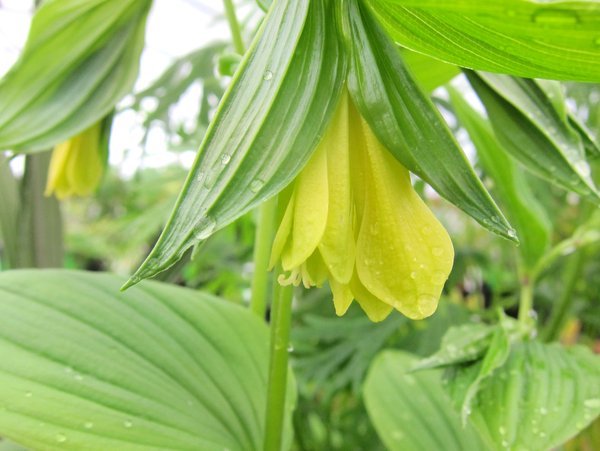
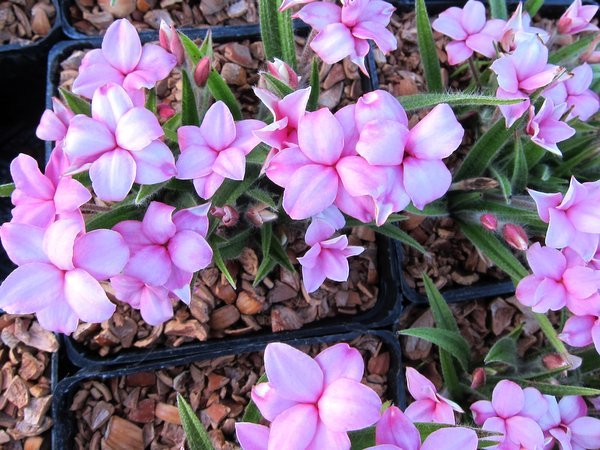
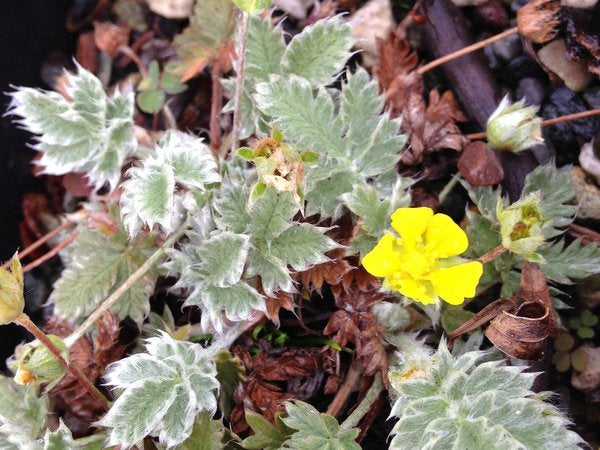

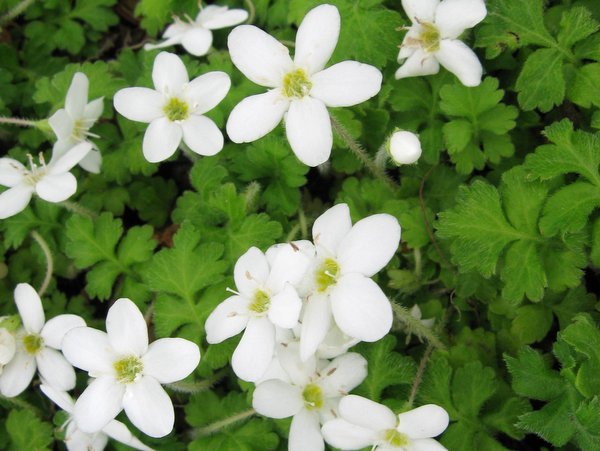
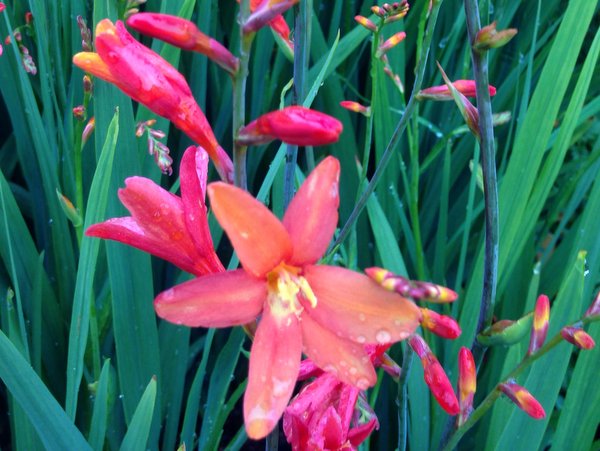
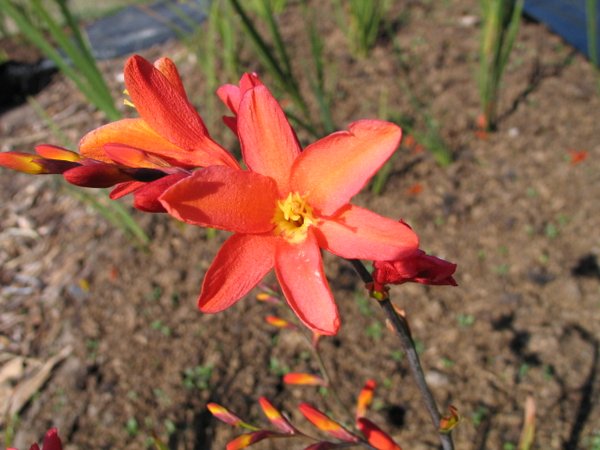

An Arizona collection of this cheery columbine from FRBC board member Cody Hinchliff. These have proved unexpectedly easy and rewarding for a Southwestern native in Cody's high rainfall rain garden growing to a lanky 30" and producing masses of up to 20 bright yellow long-spurred flowers well-loved by pollinators in the Spring and Summer.

Knockoffs are there for you when you need that Gucci look but aint got that Gucci money. Similarly Remusatia is there for you when you want that Colocasia look but aint got that Colocasia climate. Any aroid we can experiment with growing in good-old fashioned earth outside is a win in our book and the elephant-ear leaves with variable purple undersides definitely bring that Tropical flavor even if they can't rival their tender relatives in size. You're mainly growing for foliage but the creamy white and yellow aroid flowers are a treat when they appear. Even given the tougher backstory those in less mild climates are likely still stuck with pot culture/winter digging but give them somewhere warm and they will run to form your own little jungle.
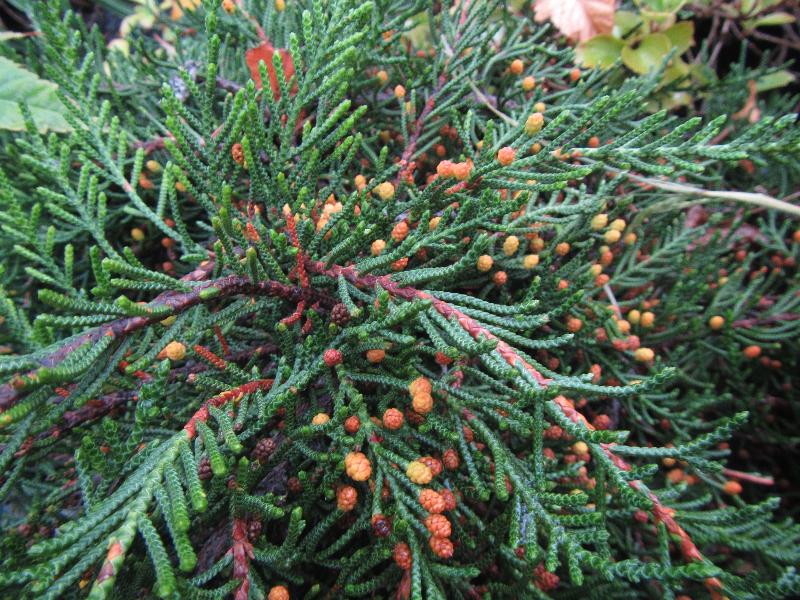
From the ruins of a once great empire only one princeling remains...
A conifer for fans of the post-apocalyptic genre, hailing from a genus that once lived from Antarctica to New Zealand to South America to the Indian Ocean now reduced to just one extant species found only in Western Tasmania. But even beyond the incredibly cool botanical history to put your friends to sleep with, the tightly scaled snaking branches that splay along the ground and translucent red cones like little strawberries make for an equally fascinating horticultural specimen.


Friends who bring you seeds are good friends, friends who bring you seeds from legendary South African seed supplier Silverhill are even better, luckily FRBC board member Cody Hinchliff falls into the latter. Very cool African butterfly bush with evergreen, glaucous silver-grey-green leaves and globules of fragrant purple flowers that are more rounded and bunched than their more commonly grown relatives. Rare in US cultivation but some have claimed suprising hardiness when given some protection to establish. An approachable way to check off another continent in your garden of the far reaches.
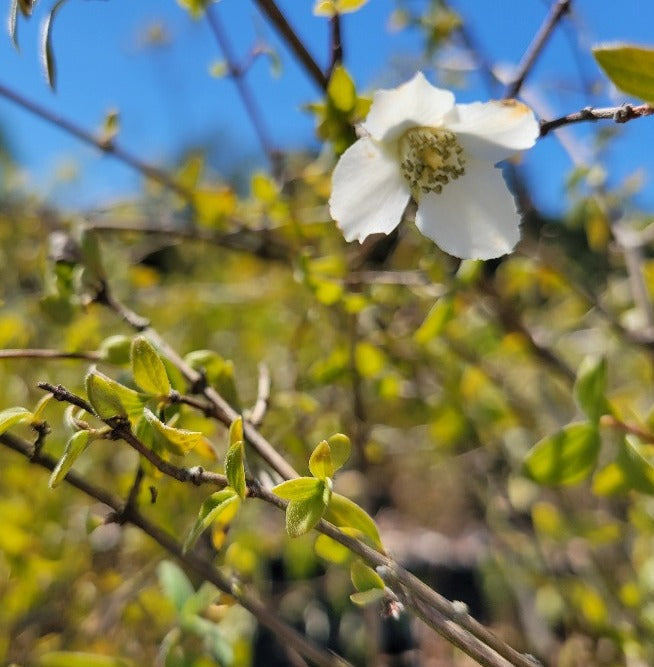
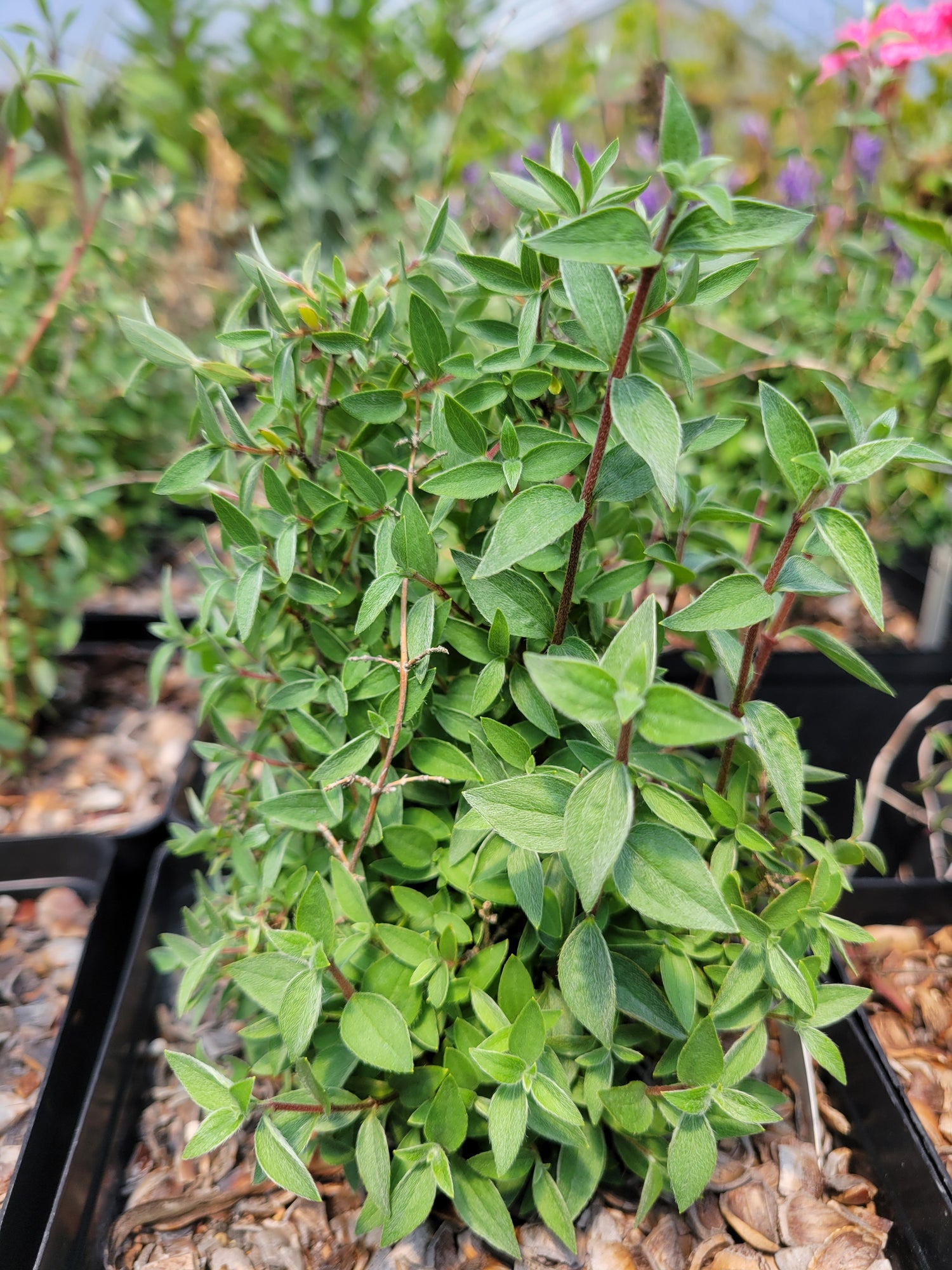
An Arizona collection of what seems to be the true plant of this rare-in-cultivation Southwestern Mock Orange which makes an excellent rock garden or low-water subject with its dense shrubby habit and extremely fragrant white flowers that smell like grape soda. The foliage holds its own as well with a mint-green softness provided by the minute pale hairs which coat each leaf that one could in this case call either peach fuzz or mock-orange fuzz, and which require no need of razoring.


The vivid image that came from Kingdon Ward's description of pink martagons in 'A Plant Hunter in Tibet' is one that has stuck with me. Imagine my delight when entering the greenhouse one day to find this beautiful creature awaiting me. Imagine the further delight in learning its especially special status as a rare and potentially endangered variety from Northern Mongolia and Siberia. Petals emerge dark and open becoming delicately rosy and spotted as they reflex with maturity. Let it transport you to misty fields far away.
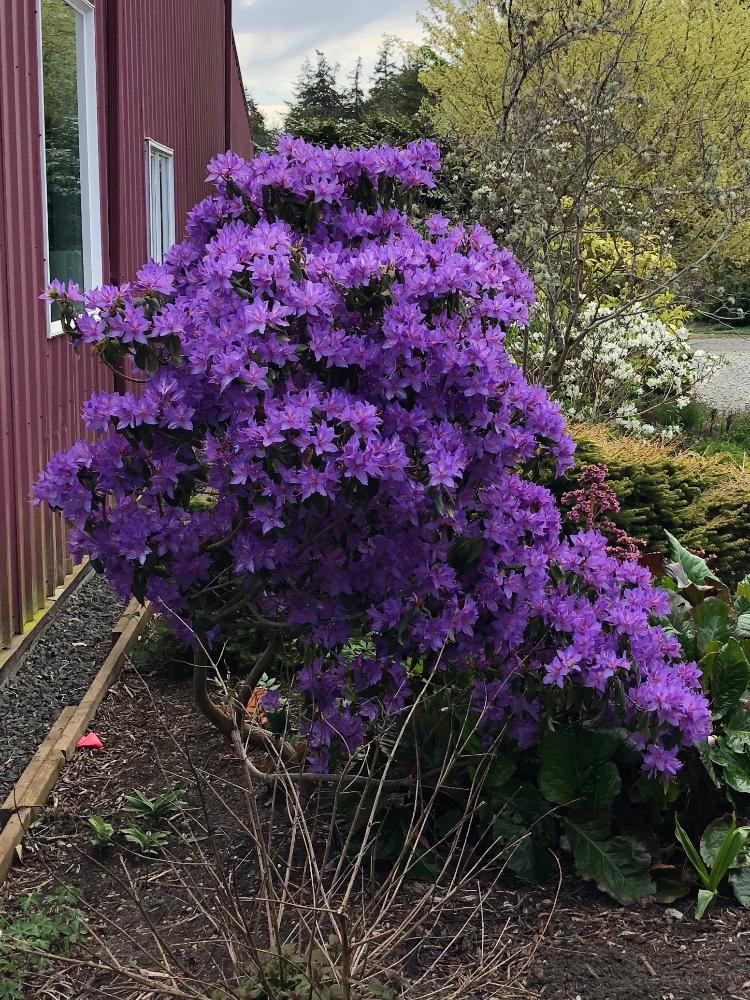
Cutting-grown from a plant grown by Roger Eichmann from seed collected from the “best” augustinii in June Sinclair’s renowned species Rhododendron garden. We say “best” because that varied from year to year in June’s opinion as to which of her 3 favorite clones was the best but we can tell you that all three were stellar. Masses of lavender-blue flowers can cover the foliage on one of the classic Rhododendron species that is the keystone plant in many a garden.

A refined shade plant that would grace any plant connoisseur's garden yet is perfectly happy to hang with us average Joes. Leaves evoking Anemone and pendant flowers combining pastels and lavenders in an understated parasol of exquisite design and dimension. A plant that is not on the radar of a lot of gardeners so let's keep it to ourselves. It has been pleasingly tough and durable in our shade garden. These are descendants of Czech rock gardener Vlastimir Pilous' wild collection from the Norikura mountains.

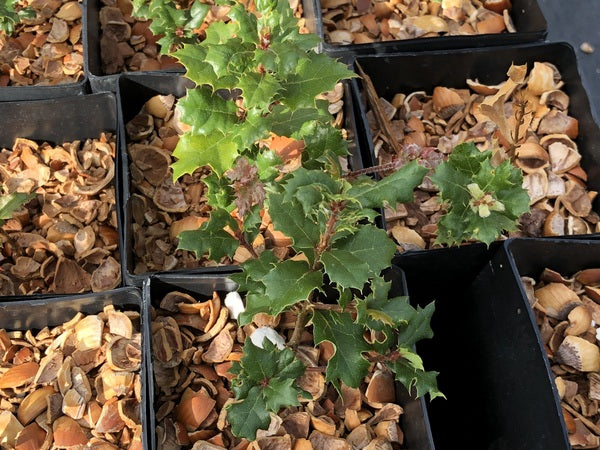
Leather Oak. Aptly named, with leathery, evergreen, almost holly-like leaves on this is serpentine endemic shrub oak native to chaparral regions of the California Coast Ranges as well as the foothills of the Sierra and San Gabriel Mountains. A FRF shout-out to the collection work of Ian Barclay of The Desert Northwest. This pairs nicely with manzanita in its native habitat, and would in your garden too. Excellent drought tolerance. Perfect for that dry or rocky spot in your garden.