
1704 products
Sort by:
1704 products

Another of the maybe mantoniaes, which is to say the hybridity is up for debate, as is the proper cultivar name (Bifido-multifidium and Bifido-cristatum are also in use), what isn’t up for debate is the really cool cresting on this Polypody with dichotomous branching at the frond apex as well as variably expressed splitting at the end of each pinnae creating a look like a row of bones. Makes me think of pirates every time I see it, and who couldn’t use more time out of their life thinking about pirates. It’s the pirate polypod life for me yarhar.
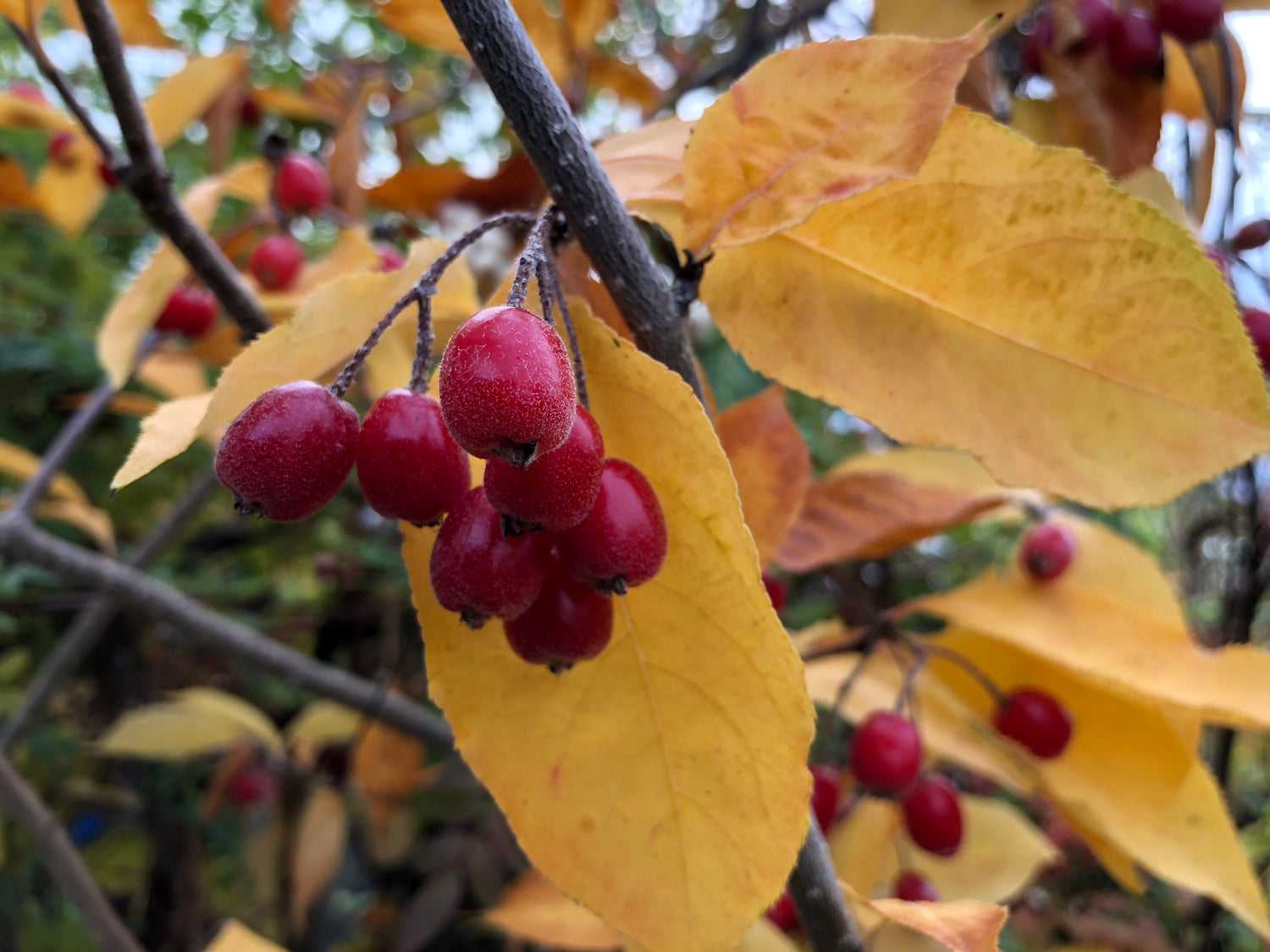

The deciduous Photinia beauverdiana is a loose-limbed, sinuous presence in the garden. White flowers are followed by showy clusters of orange-red fruit which hold their position long enough for a slam dunk combination with the autumnal yellow of the leaves. Kelly was standing on a sloped mossy rock stretching to collect a fruit of this for a friend when he fell, holding the fruit safely aloft rather than using his hand to break his fall, and cracked a rib. From that day on, he has trash-talked this graceful species as "That phucking Photinia". A well-loved punchline lost to its taxonomic repositioning into Pourthiaea, well those 'Pour' taxonomists are just gonna have to suck it up cause we give everything for the bit here.

Perhaps the most widely grown species of this genus rarely seen in the Northern hemisphere but much beloved by those in the know. This is due to its history of cultivation as an edible substitute to taters, but having seen the tubers myself I think I'll be stickin' to spuds. Also perhaps one of the hardier members with some making claims all the way down to 7b. However the range is large and varied in elevation, this Guatemalan collection as of yet remains untrialled. Ours go winter-dormant in the greenhouses which makes it a good candidate for pot culture anyway, coming out in the warmer months to twine its way upwards until it explodes into a glorious array of bright pink, lime throated flowers.


A Chilean collection of this narrow-endemic shrub of the pea family locally known as mayo, though with none of the plainness of its homonymic counterpart. This boasts the lovely elongated golden bells one loves the genus for but adds in evergreen foliage, and of a richly lustrous dark green no less. This of course comes with the caveat of less-than-hardiness, with those plants grown in the UK favoring mild coastal spots, though the genetics of this batch have yet to be winter tested there are plants growing at the Miller garden in Seattle. A lovely bit of exotica for the adventurous type or beneficiary of a kind clime.
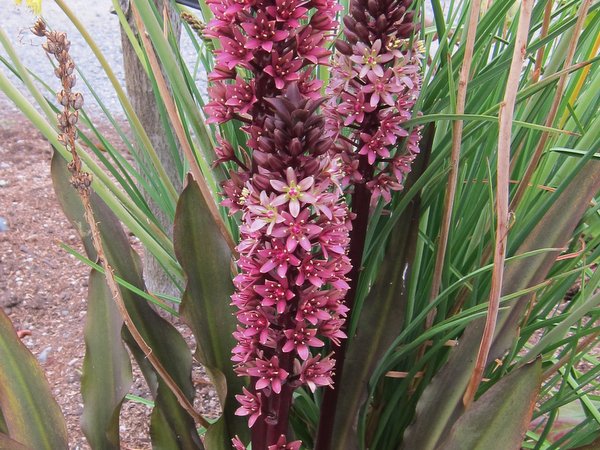
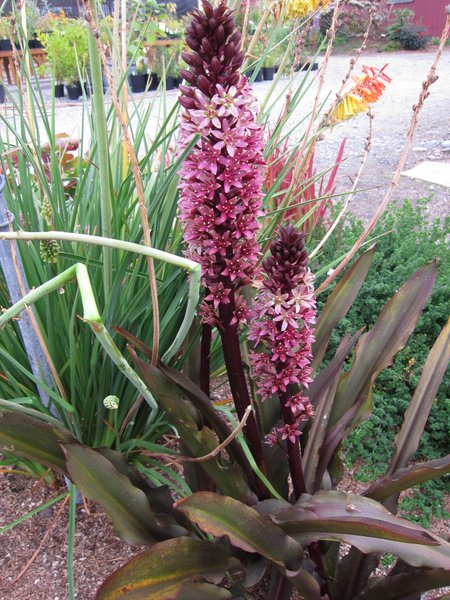
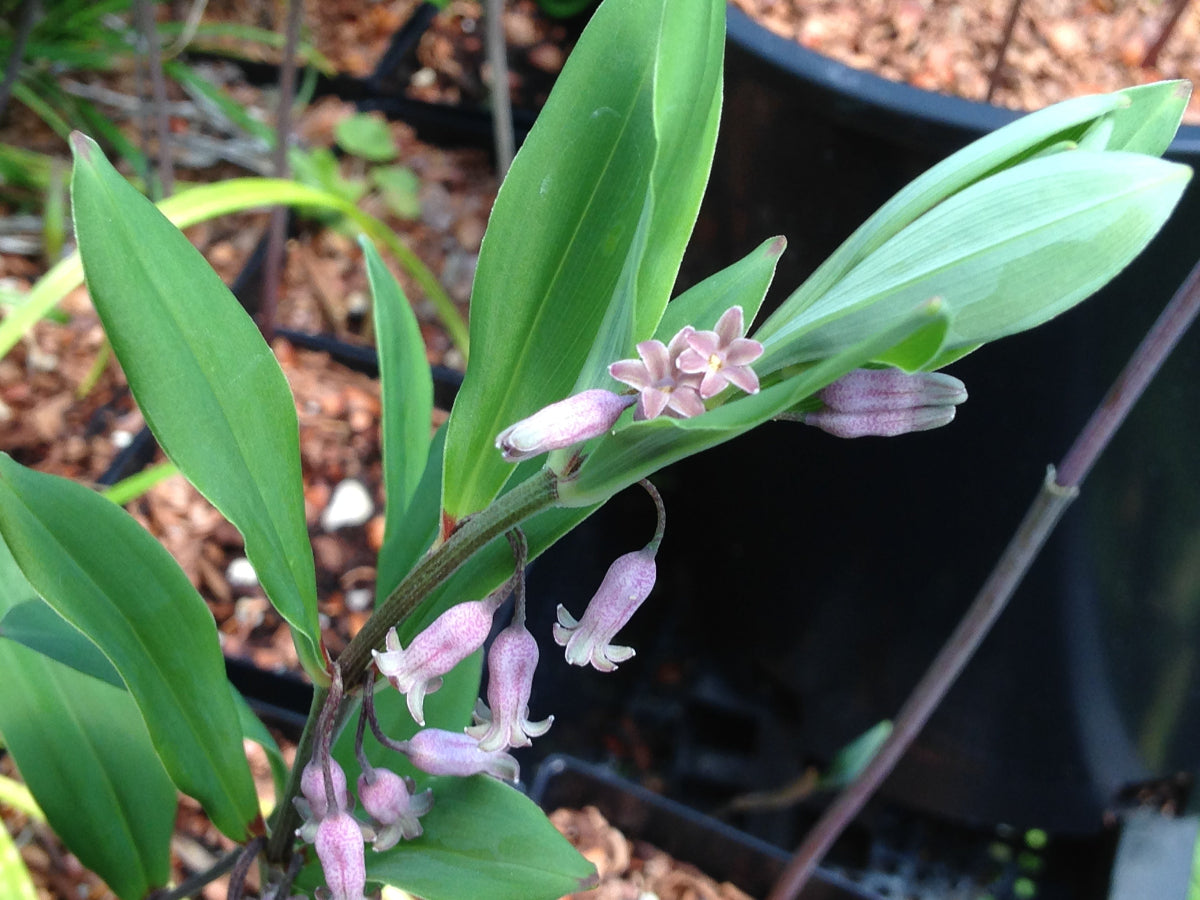
Scented Solomon Seal. Our collection from 10000' of this vigorous form of the species identified for us by Dr. Aaron Floden. We have other collections of this species which get just 3" tall but this collection gets near 3x that. The expected soft-pink bells are scented which is an endearing, if subtle, attribute.


A rare dwarf Geranium with sizeable pink flowers. Perfect for the rock garden or special nook. This stays very short - just inches high - making a dense little mass of attractive foliage above which is displayed the very nice pink flowers. Quite tough despite its size.

An ethereal selection of this hardy true Ginger species whose pale green leaves are brazenly marked with bold swatches of white. Had to use ethereal and brazen in the same sentence - I don't know why. Rarely do you get to enjoy the white ground level flowers but oh such foliage!
This was sold erroneously in the past as 'Dancing Crane' in the past which presents with the opposite patterning (green edges and white centers)

A truly fantastic mondo grass, and unlike Kelly you're gonna be very hard-pressed to make me say those words again. Umbraticola itself is easily among the supreme members of the genus with its glossy blue fruit, lacey foliage, and extremely compact form. This selection adds the eye-popping lemon lime combo of bright solid yellow and dark green streaking that's fairly stable and easily purified when it goes South. You could bottle this up, carbonate it and sell it under an ever changing assortment of test-audience approved brand names. Though you wouldn't make much money given the glacially slow pace by which it multiplies. Good thing we never were ones for mass marketing.
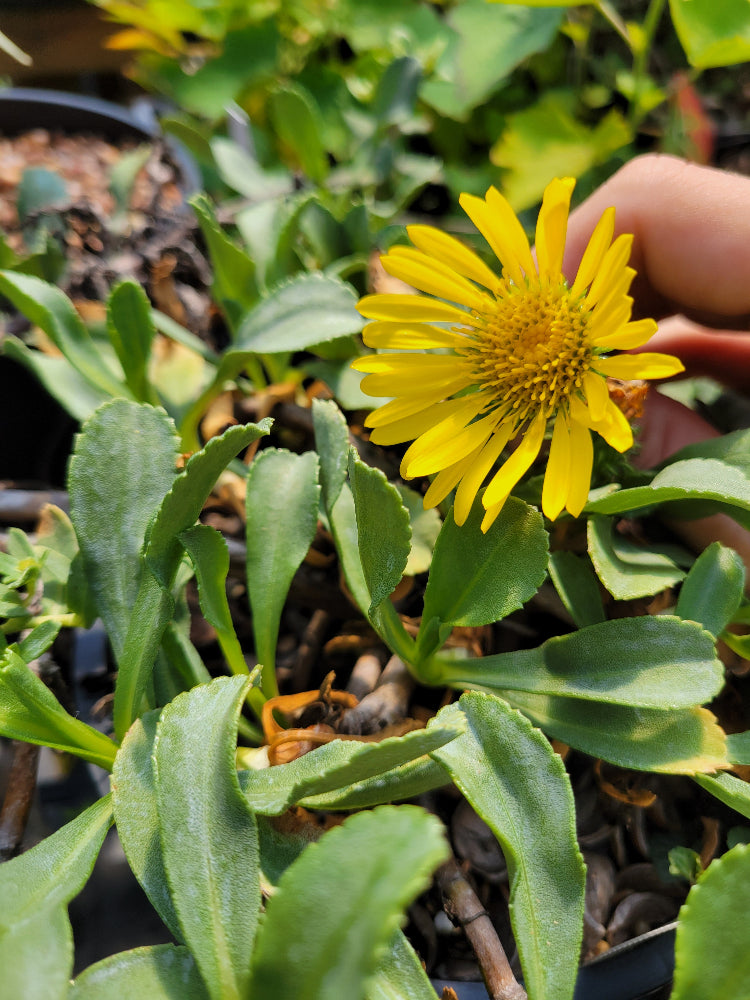
Here in Port Townsend Coastal Californians are like the bogey man haunting the dreams of NIMBY types and work-a-day home searchers alike. However in our rain-shadow deertopia, plants resistant to roaming teeth and the occasional drought are like affordable multi-unit housing. Thus we come to be selling this Cali native, and a prostrate large-flowered form to boot. The thick evergreen (in mild winters) foliage forms a tough mat producing odd buds that secrete a sticky gum that transform into a carpet of large yellow daisies in Summer, providing an adaptable full-sun groundcover.


A interesting oddity from the annals of the Far Reaches nursery catacombs. In yonder days we brought back on our jolly jaunt to the UK plants of Primula poissonii from our esteemed colleagues at Rumbling Bridge nursery, so enthralled were we with our species plant that we had the audacity to write (true) on the tag, inviting a curse of wanton succubus primulas which promptly assaulted our chaste new acquisitions. We have suspicions that the the lascivious demons to blame were somewhere in the spectrum of P. wilsonii but who's to say. Their sin-stricken offspring are more loosely held and a bit darker than poissonii. Romance novel fans, this one's for you.

Our long-ago (1997) collection of this widespread in nature but poorly represented in cultivation Rhododendron species. This has little to do with its appearance as the petite indumented evergreen leaves and delicate blushing white flowers create quite a handsome overall appearance on a manageably sized plant to boot. Their quickness to bloom and adaptability to various light regimes only add to its garden-worthiness. Unfortunately the hardiness leaves something to be desired, may be doable in a low zone 8 but 8b and up to be safe.
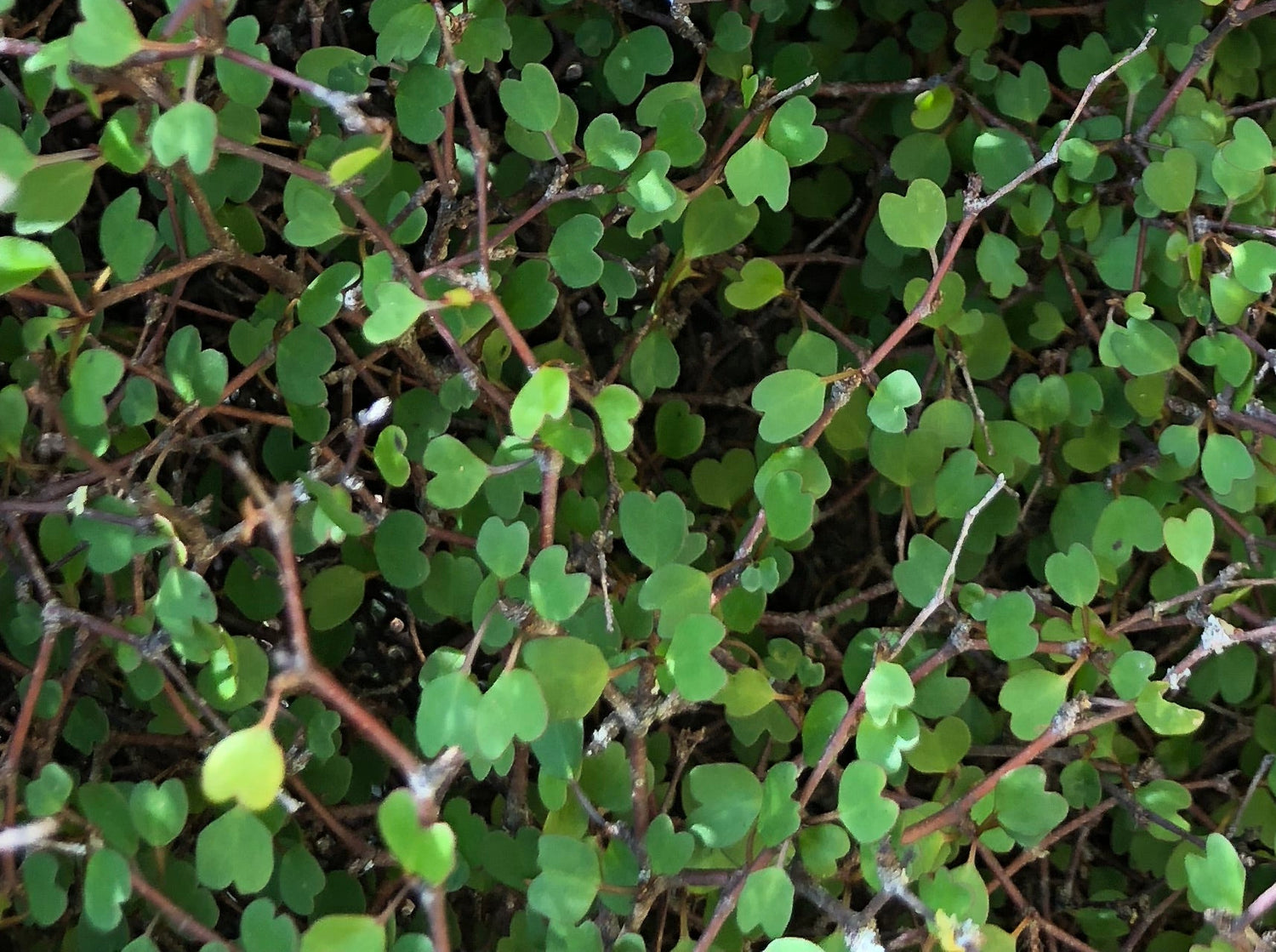
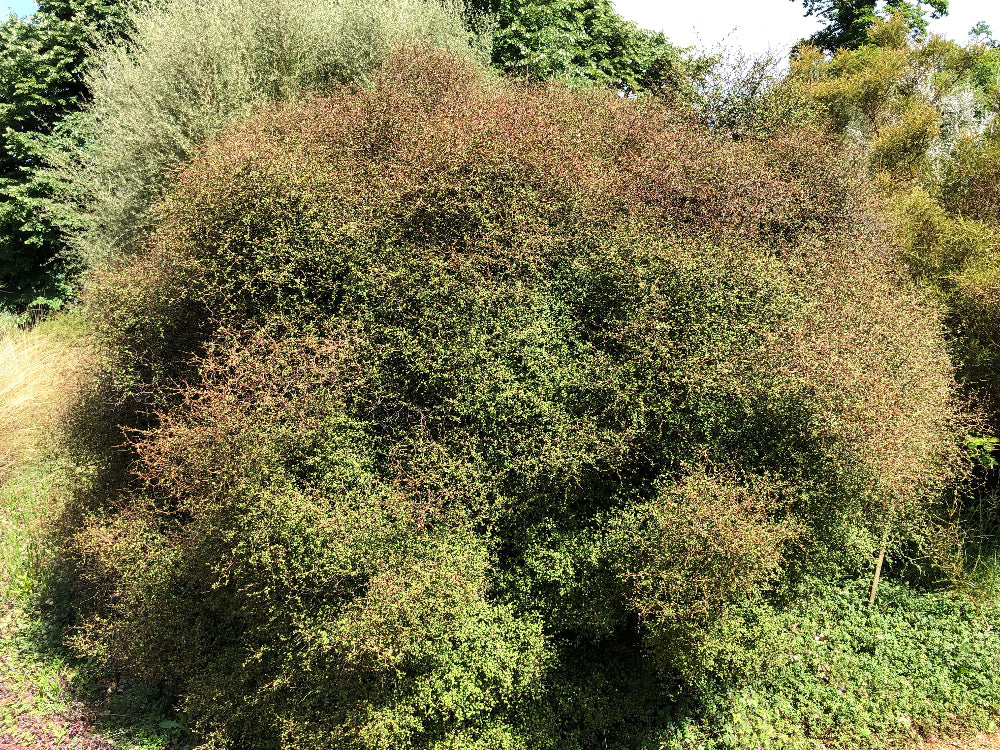
Tororaro says the matador as I charge blindly, eyes red with plant lust, wiggy-wig-ing out in my mad dash to reach shrubby divinity. Alas I come out empty handed, bashing my head against the wall of a 6b climate. Years of this until, sufficiently bloodied, my captors judged me no longer fit for service and put me out to pasture here in the milder climates of Washington. Plodding into my well-earned elysium I dropped to my knees and wept at my long-sought-after arrival in what must surely be my long-dreamed of piece of New Zealand garden utopia. The airy presence of this incredibly unique shrub will buoy you up to the heavens as well, the delightfully heart shaped leaves will fill your ventricles with joy, and the deer and drought resistance will ensure you never have to work another day in your life. More time enjoying your new Aotearoan pals.

Seedlings from our plant grown from wild collected seed so second generation plants from South Africa. Dieramas are a promiscuous lot so expect flowers in shades of pink to edging on lavender possibly. To 3' or more in full sun and mulch in Zone 7 if winters are cold.


One look at the stalky clumping habit and jagged pinnate leaves of this species and you’d say it was a dead ringer for a Rhus or Aralia. One look at the wafer-like fruits and you’d say dead ringer for an Elm or if you were a real botanical nut Ptelea. Yet like the mighty platypus is neither duck nor otter this is something altogether, a rare member of the maple family improbably enough! In addition to its alluring oddity the winged red fruits held in large clusters of pairs, red blushed petioles, and extremely quick growth make it a not-half-bad ornamental species as well. Virtually unknown in the US but doing well in the UK so at least Zone 8 hardy if not more (there is record of it in Ohio, so Zone 7 is probably a safe bet as well) large shrub to small tree.