
1707 products
Sort by:
1707 products

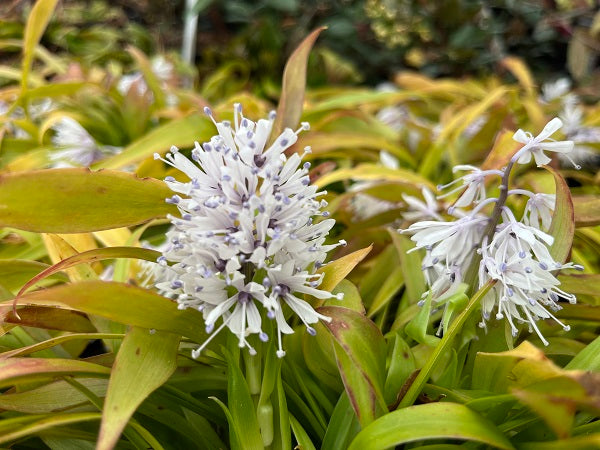




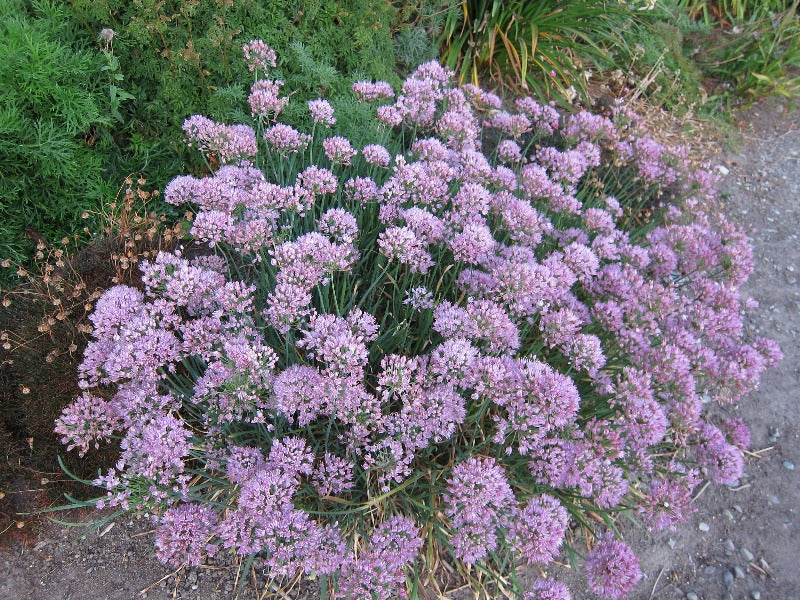
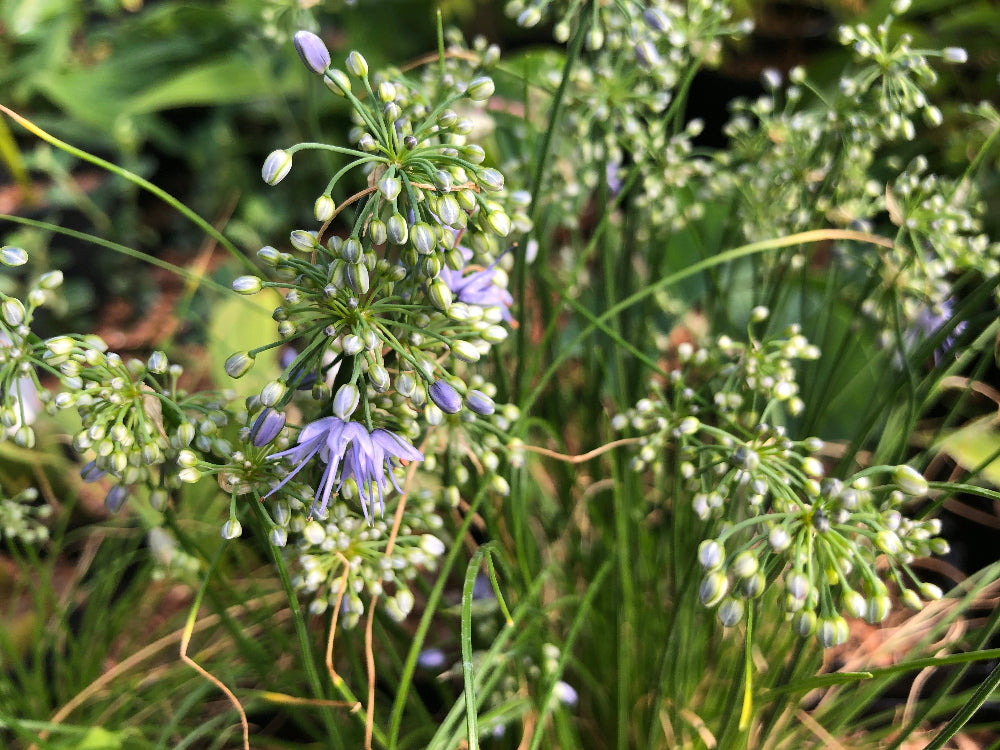
A crisp October morning at 10000’ on the frozen summit of a mountain in Hubei with small copses of Rhododendron oreodoxa var. fargesii huddled together with leaves curled tubular in the cold. The grassy patches among the rock outcrops were brown and sparkling with frost crystals. We were there in search of the wee Allium henryi discovered in this area by Irish plant hunter Augustine Henry in the 1880’s but perhaps not introduced as our research indicated it was dubiously in cultivation if at all. At this point in the season, most herbaceous plants had succumbed to repeated hard frosts and we were left searching for likely maybe could be Allium withered brown foliage and tattered spent seed heads all of 3-4 inches in height. The view was spectacular although until we could claim a seed or two of a dwarf Allium, we could not give its just due. At last we found a scant few small plant remains in a weekly-grassed spot and some equally petite remnants in humus pockets on the flanks of a shaded rock cliff. Less than 10 seeds from each and we could find no more allowing us a moment to soak in the magnificence of lesser mountains marching away before as with precipitous valleys intervening all clad in true firs (Abies fargesii var. fargesii) which was so familiar yet so exotic. We realized this was one of the great vistas and Kelly said “Mom would like this” and from his pack pulled out a Ziploc of said mom’s ashes and gave them a good scattering. So what about those onion seeds? One lot did indeed turn out to be the blue-flowered Allium henryi with flat leaves lined in white underneath while the other, this one, proved to be the thin-leaved and also blue-flowered Allium cyaneum.

Another of the maybe mantoniaes, which is to say the hybridity is up for debate, as is the proper cultivar name (Bifido-multifidium and Bifido-cristatum are also in use), what isn’t up for debate is the really cool cresting on this Polypody with dichotomous branching at the frond apex as well as variably expressed splitting at the end of each pinnae creating a look like a row of bones. Makes me think of pirates every time I see it, and who couldn’t use more time out of their life thinking about pirates. It’s the pirate polypod life for me yarhar.


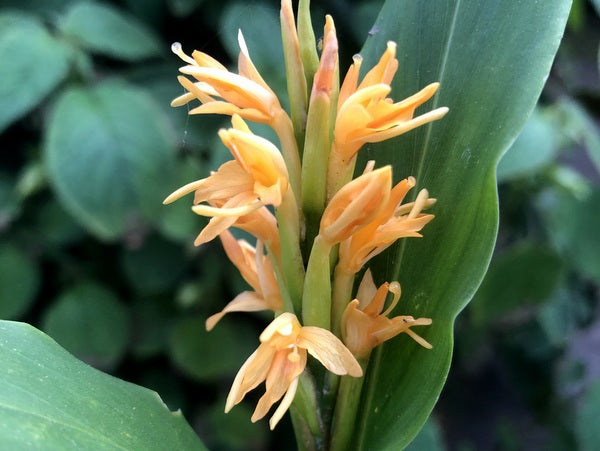
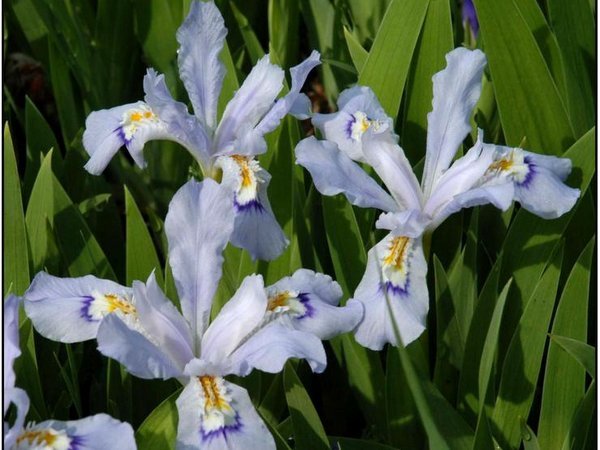
A collection by Iris-king Darrell Probst of the well-named bamboo iris. Not the plants of Van Gogh or your grandma, these grow as a series of stout green stems that hold aloft leaves which would be at home in the hands of an aristocratic lady fighting off a summer-time faint. That faint may well have been elicited by the elegant flowers of the palest lilac imaginable which come in small groups. Proof that even classic genera can offer the strange and wonderful.


We have long sold the iconic Chilean fire tree but are delighted to finally offer some of wild origin, thanks Cody! The reasons for this are twofold, one we always prefer wild-origin material due to its usefulness to botany, science, and conservation but also because we have observed a fair bit of variation in the Embothrium we have seen in Chile. That same variation is rare or non-existent in cultivation so we hope to begin remedying that, with your help of course! This collection hails from near the town of Valdivia, which shares its name with the incredible Valdivian rainforest ecosystem, and is distinguished by being unusually narrow leaved.
Being in the Proteaceae, they don't enjoy phosphorous so be careful what you fertilize them with - it is the P in the NPK ratio to which they are allergic