
188 products
Sort by:
188 products

Podophyllum or Dysosma – the Asian species are better in Dysosma but when shopping, most people look for Podophyllum when they need to push their shade garden over the top. This Chinese species was shared with us by our friend and great plantsman Darrell Probst who knows an extraordinary plant when he sees it. Among our sea of Podophyllum species and cultivars, this stands apart in habit, form and flower. Upright stems hold green lobed saucers of leaves which cannot be confused with the other green-leafed species. Beautifully displayed are single white flowers under each leaf which when pollinated, morphs into a glowing orange fruit. For us, this species stays in a tight crown without the running habit of some other species. This is good if your space is limited and bad if you want more and of course, we want lots! Which we don’t have but the scant few we do have in surplus, are here.


A hybrid between E. moorei and E. lucida that grew from a chance cross at Hillier's nursery, the original plant was cloned and distributed under the name 'Winton' and we preserve that name here to differentiate it from any further x hillieri selections. Retains the glossy narrow semi-evergreen foliage of its parents with pure white flowers beloved by bees and pollinators. Has shown excellent hardiness, anecdotally surviving a below 10F winter freshly planted in a nearby garden. A child which may well outexcel its parents.
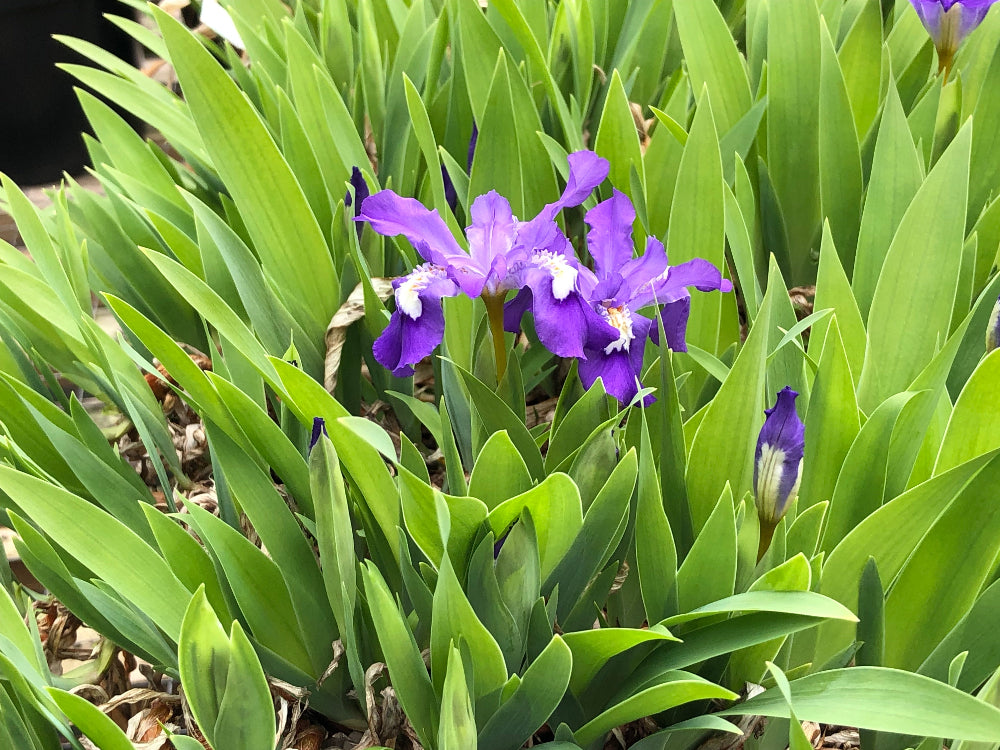
An unusually deeply colored selection of this Eastern US native dwarf Iris. Despite its Yankee origins this one has taken up with the enemy inheriting the name of noted British botanophile Collingwood 'Cherry' Ingram. What can we say the Anglo-saxon can't help but claim credit for what isn't theirs. Grows to just a couple inches high, dark purple flowers as big or bigger than the foliage
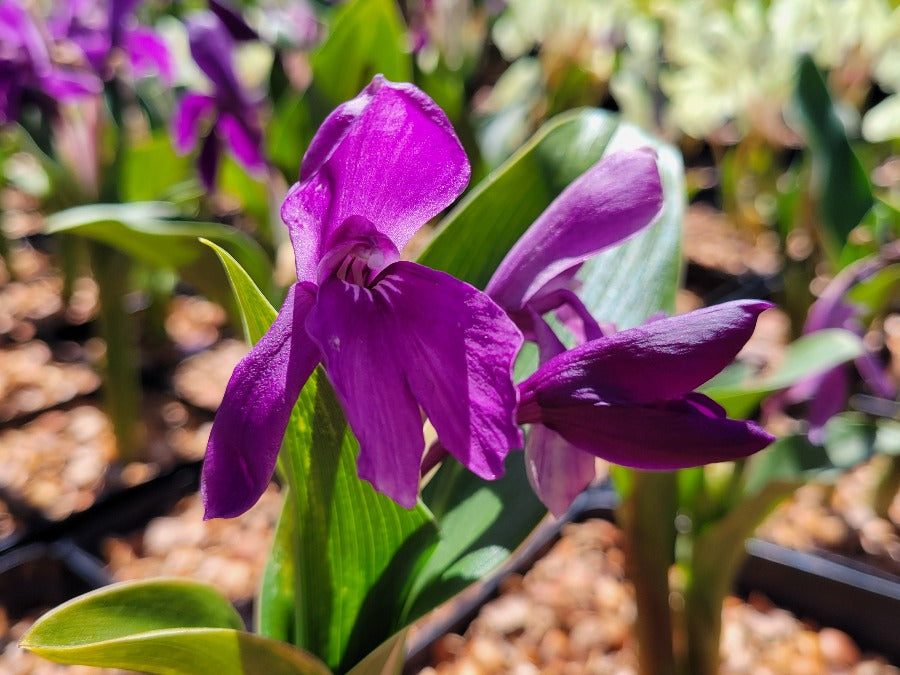
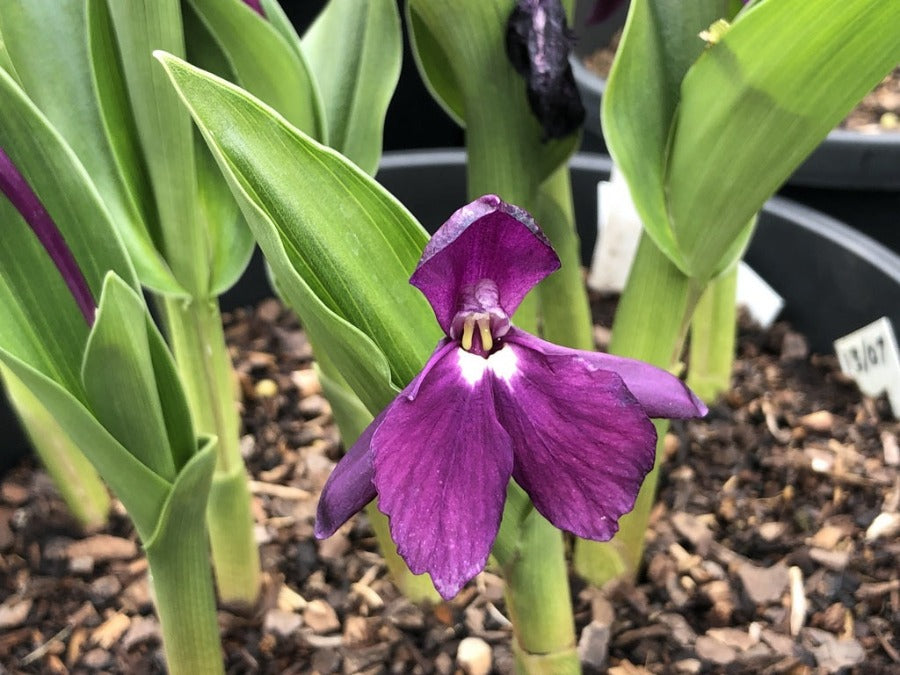
The Harvington name comes attached to excellent British cultivars of a variety of plants most notably Hellebores and refers to those plants developed in the village of Harvington by nurserymen Hugh Nunn. We got these via John Massey of Ashwood nurseries, another name of which there is little doubt when it comes to quality. All this to say this is an excellent Roscoea selection with deeply purple flowers centered by a white spot like a star in the night sky. Though you might be better off with a hand lens rather than a telescope for this sort of stargazing.
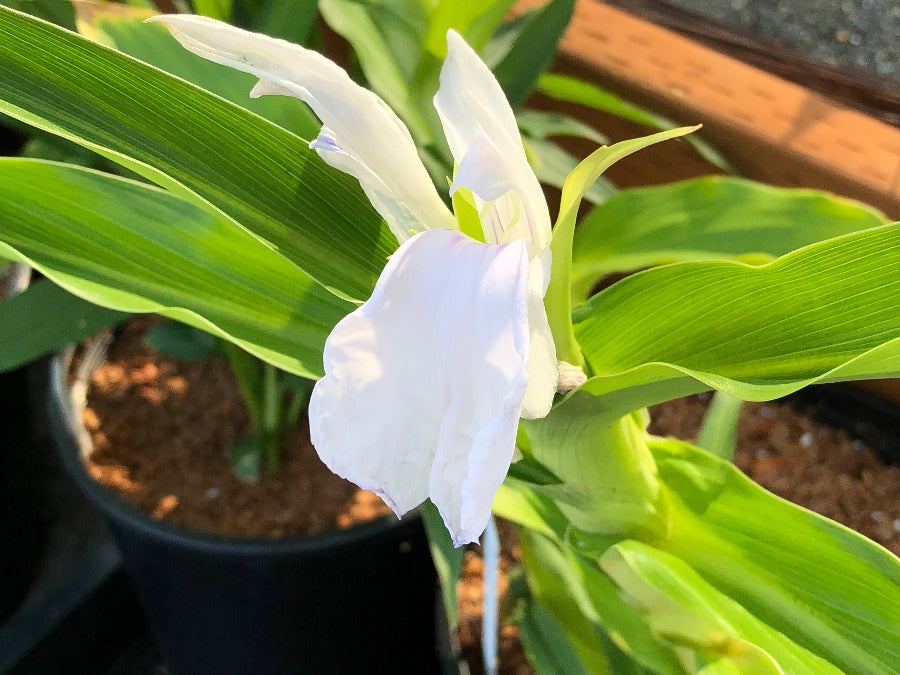
A behemoth of an introduction from our friends at Celestial Dreams Gardens. Stoutly stocky with an implacable confidence that only comes from knowing you are the apex Roscoea in our large school of species and cultivars. Thick stems hold big white flowers whose beauty fills the mind, preventing any ear-worm memory of the 'Jaws' music to intrude.


We sourced this from Edrom nursery in Scotland amidst our quest to attain Roscoea world dominance. Large soft yellow flowers sub in for the usual dark purple, which in all honesty pairs better with the rosy blush of the peduncle, shame that's one letter too many for Scrabble excellence but learning for the sake of learning I guess.

An Ian Barclay collection of this most hardy of Agaves, said by some to survive below zero temps! If even mild winters are too much for your Summery soul, and like our mail-order mogul Cindy you spend every moment under 40 Fahrenheit dreaming of Arizona sun you can at least pretend you're in the blissful dry heat of the desert with a good planting of these. Highly attractive even among this exceedingly beautiful succulent genus, glaucous blue-green leaves tipped with black spikes. This is one that truly lives up to the promise of Ian's nursery and will bring that little bit of desert to your Northwest...or Midwest, or Southwest, or wherever it is you fellow crazy folks live.


A collection by Iris-king Darrell Probst of the well-named bamboo iris. Not the plants of Van Gogh or your grandma, these grow as a series of stout green stems that hold aloft leaves which would be at home in the hands of an aristocratic lady fighting off a summer-time faint. That faint may well have been elicited by the elegant flowers of the palest lilac imaginable which come in small groups. Proof that even classic genera can offer the strange and wonderful.


Chance variegation is usually a study in false hope with excitement and wonder quickly giving away to disappointment and a sense of betrayal by the universe when reversion takes hold. You find yourself wailing "Plants never change" to your tween bestie over the phone as you flail on your quilted coverlet, makeup streaking down your eyes. Meanwhile your friend at the nursery down the road got his smoking-hot variegated Hellebore to quit its philandering hybridizing ways to settle down into a profitable marriage with his tissue culture lab. Well for once its our chance for the meet-cute romantic comedy of our dreams! The thick stripes of creamy yellow on the leaves of this Heloniopsis have shown no signs of triggering our abandonment issues for years now and we are finally confident enough to introduce it to our parents...I mean customers.

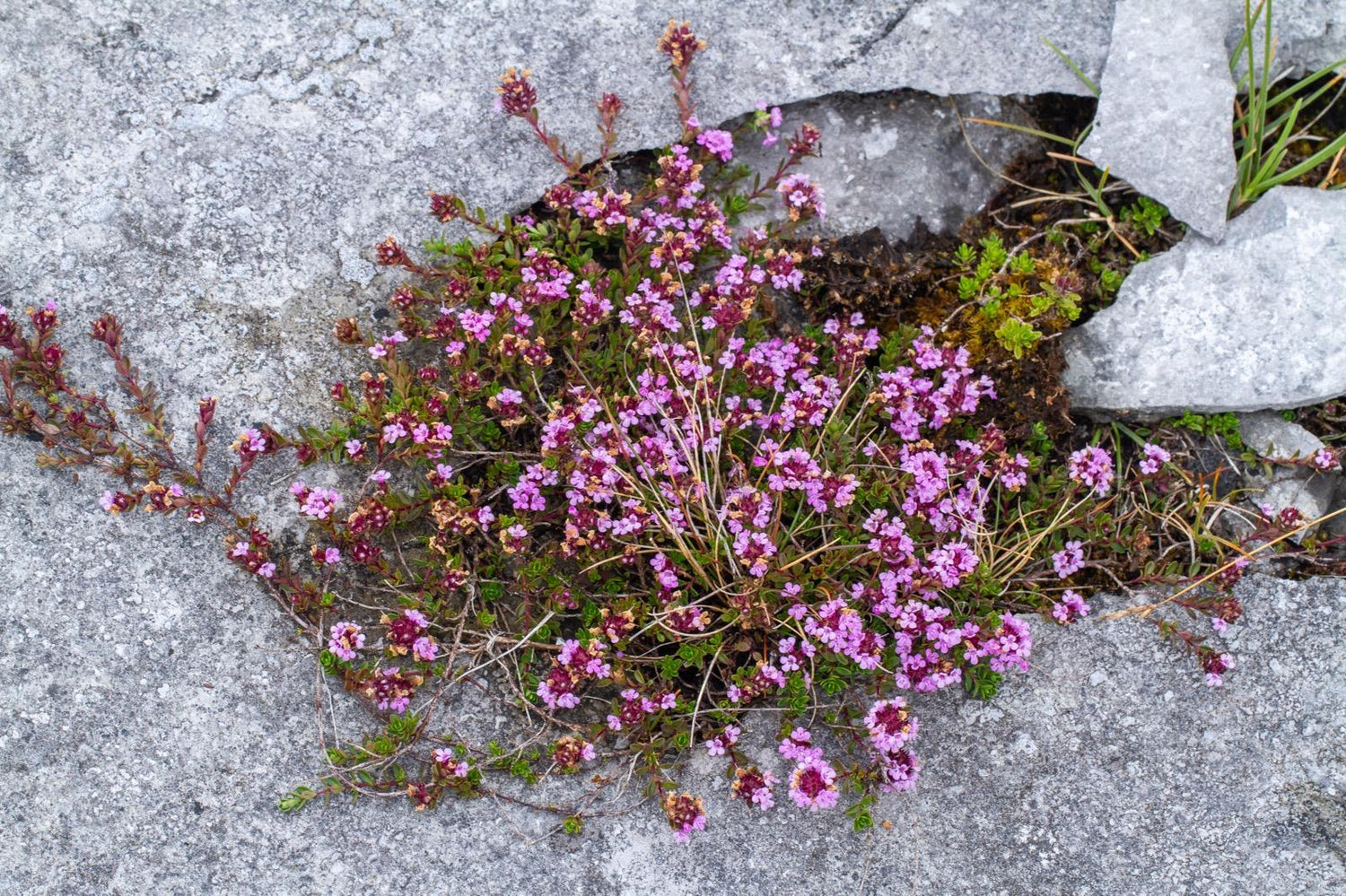
Originally collected as Thymus drucei amidst the limestone barrens of County Clare, Ireland by Far Reaches Botanical Conservancy board member Cody Hinchliff. A hotspot of botanical diversity where unique climate and geology combine to create a pocket of delightful rarities often found in higher elevations. These are limited to far Western Europe more generally and have the usual fragrant rounded leaves of Thyme on creeping red stems. The flowers set them apart however being a good bit larger than the foliage and appearing in such quantities as to almost entirely obscure the latter. Forms a small mat or clambering clump.

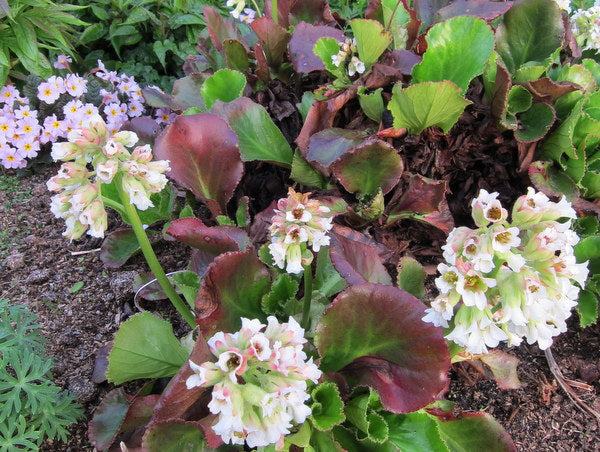

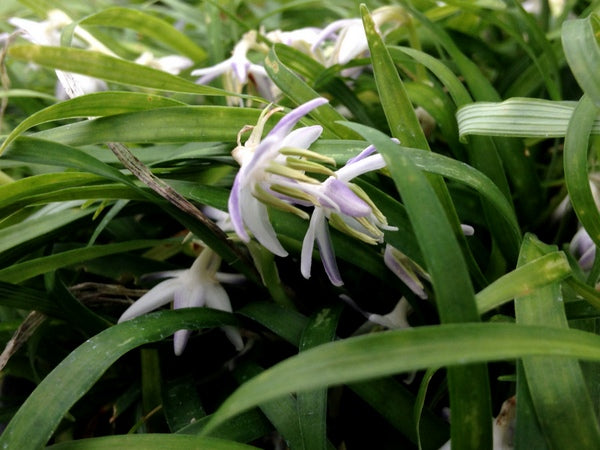
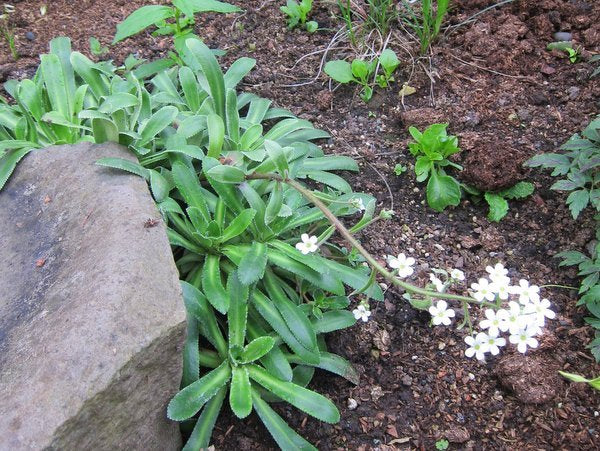


A hybrid Gesneriad between Briggsia aurantiaca (syn. Oreocharis bilburtii) and Opithandra primuloides (Syn. Oreocharis primuloides) which we succumbed to at Aberconwy Nursery in Wales. White, bilaterally symmetric flowers touched in faint pink with throats patterned in pink lines. Easy in cool greenhouse but can tolerate some frost, so mild gardens are maybe okay.