438 products
Sort by:
438 products
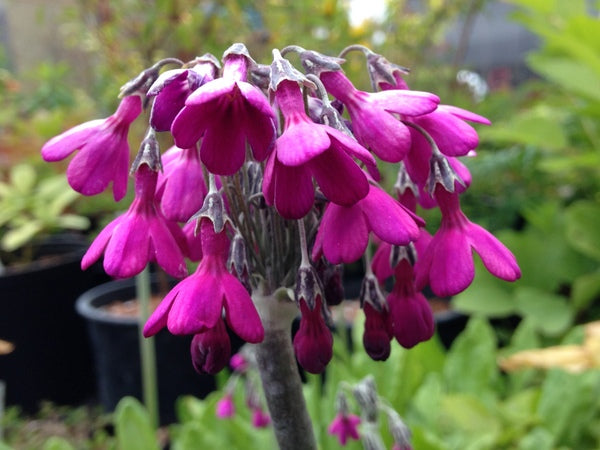
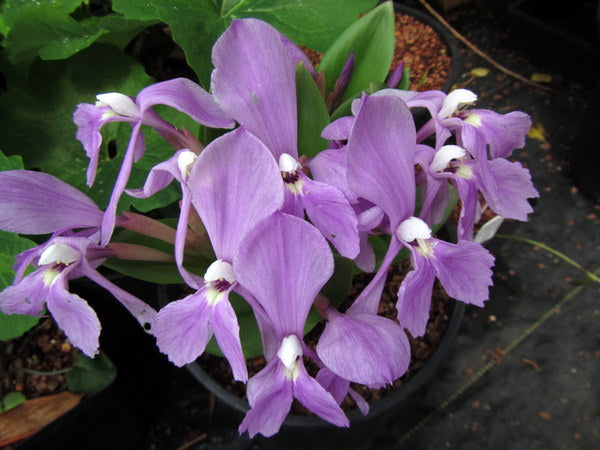
We received this extraordinary selection from an equally extraordinary plantsman, David Mason of the vaunted former Hedgerows Nursery. Few members of the genus approach this for impact which is only heightened by flowering before other large-flowered forms. The emerging spring growth is enclosed in soft salmon sheaths and the hot damn lavender-pink flowers stand proud before the leaves develop. This is a cool climate genus.
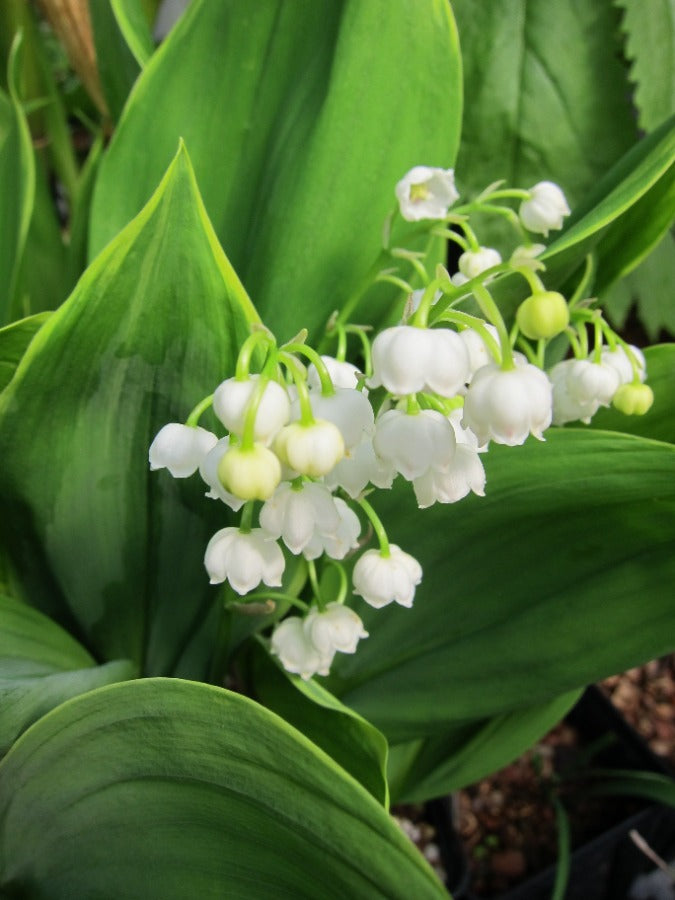
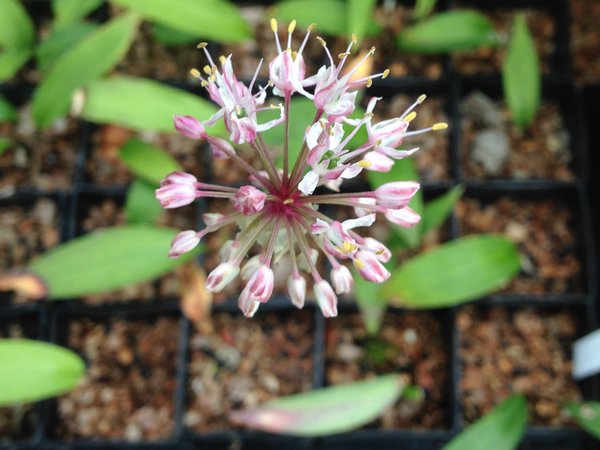


Steve Hootman, Curator and Director of the Rhododendron Species Botanical Garden, often pats himself on the back for collecting this exceptional species in China and each spring as our plants flower, we murmur attaboys and give him virtual high fives while virtually raising our glass in salute. Loves some shade, great foliage and spring pink flowers. Steve has bagged a host of amazing Rhodos on his collecting trips and this Peony is just as exceptional. Narrow leaflets with a distinct sheen provide backing for the fat dark pink flower buds which often emerge in the early to mid spring before the leaves. This gives an extended period of tantalization before the impressive pink flowers open. An added bonus are the lovely shiny black seeds arrayed in the starfish-shaped seed pods. All in all, a very choice introduction. Huzzah, Hootman and well done Laddie! Just cover the 'noses' an inch or two as too deep is worse than too shallow when planting peonies. This species is best in light shade although part sun such as morning sun is perfectly ok. These are seedlings that are a few years from blooming size.


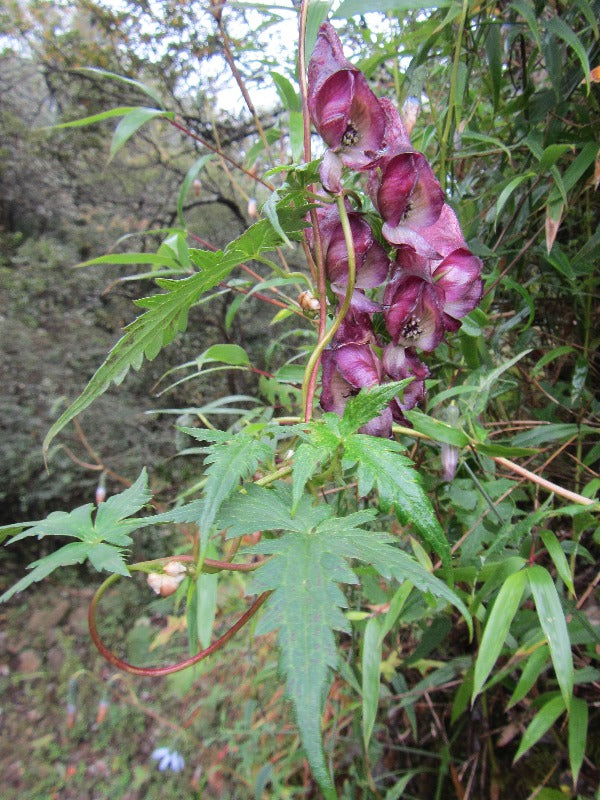
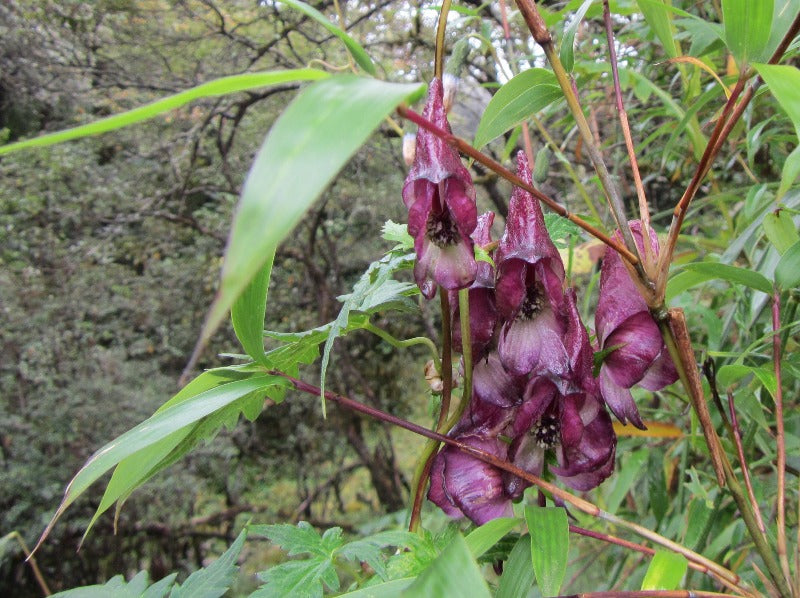
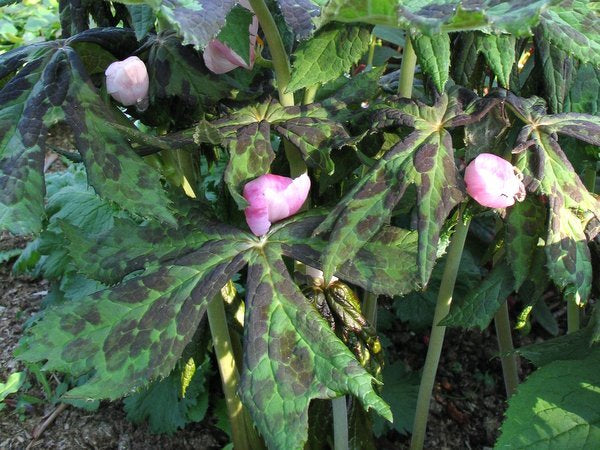
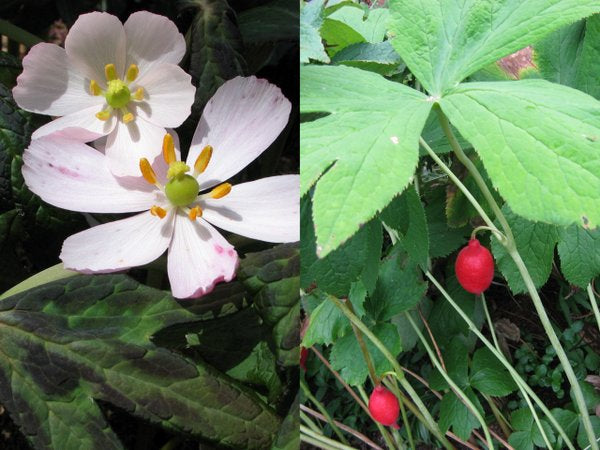


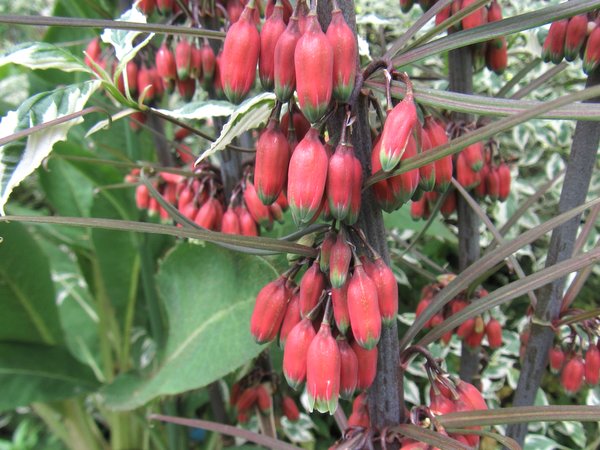
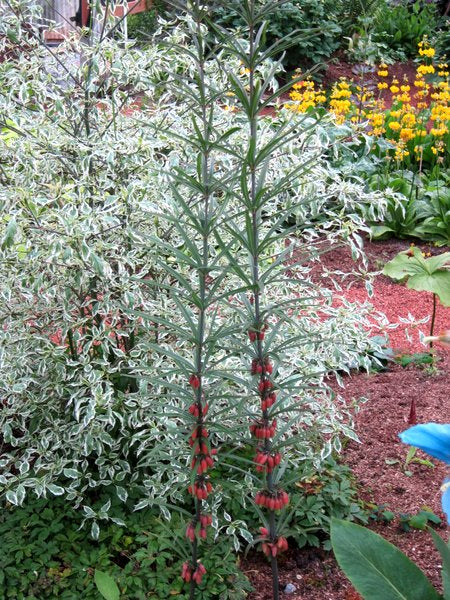


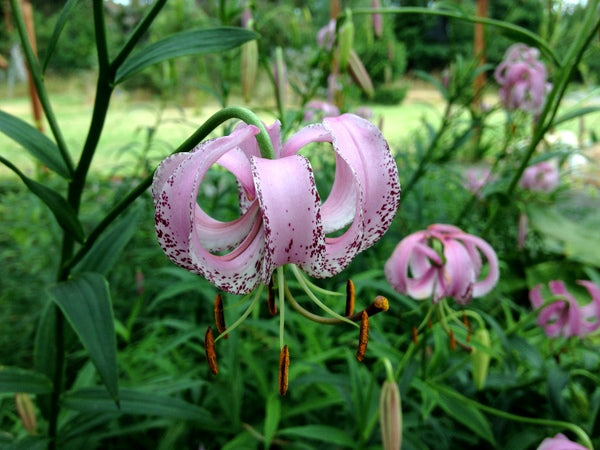


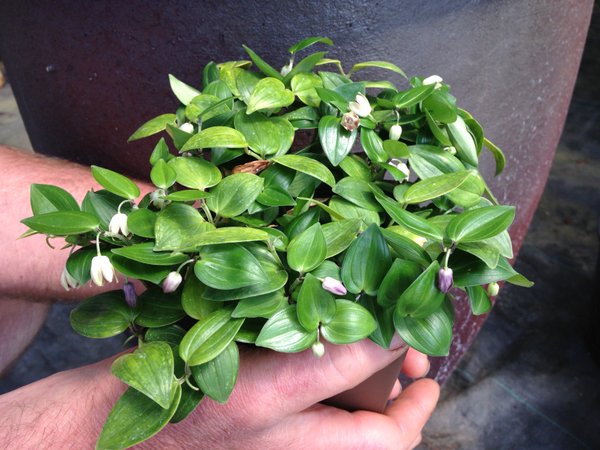


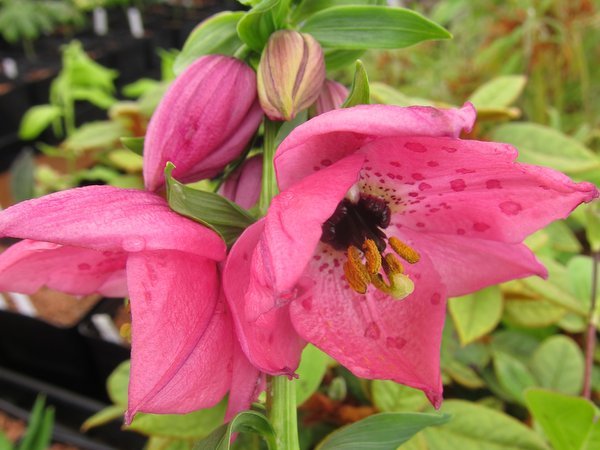
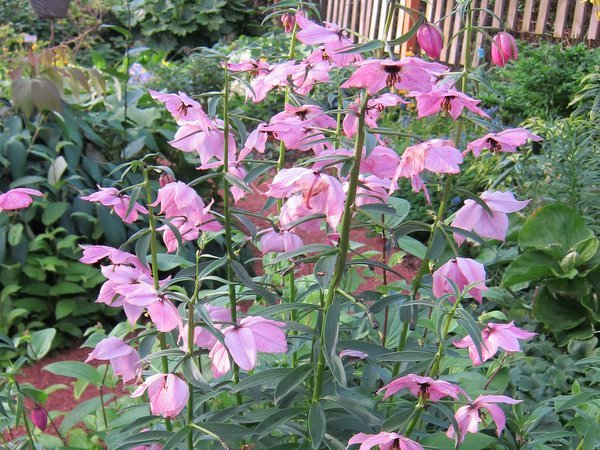
Second generation plants from our collection from along our way up the mountain to Tianchi Lake in Yunnan. We found this Lily relative (which has been called N. forrestii) growing in a wooded copse with Sorbus reducta. Likes a good moist soil and can have 7-10 flowers per stem in our experience when it gets some age. Pretty much awesome. These are nice, blooming size bulbs and a must-have for cool northern woodland gardens. If you garden in Kansas, Texas or most of the Southeast for example, it is probably better to just enjoy the photo. These survived the brutal 2013-14 winter in Wisconsin at a customer's garden as newly planted bulbs in the fall which is impressive considering the ground froze 5' deep. Hardy to zone 5 if not zone 4.
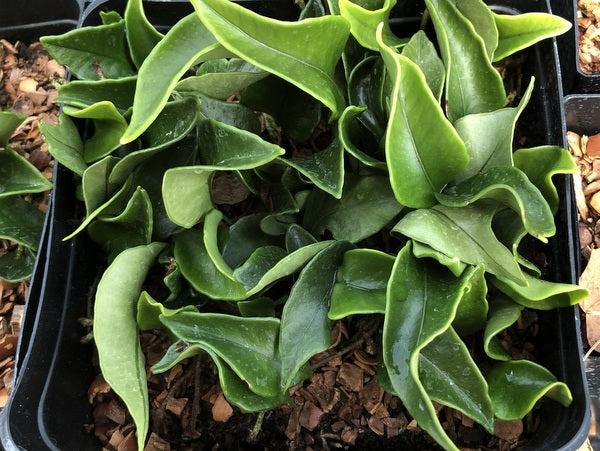
Fern fans we are, fern experts we are not, but we continue to chip away at the imposing taxonomic massif of Pteridophyta in hopes of becoming somewhat conversational in Fern. Currently, we can ask the equivalent of where the restroom is and order beer when talking Asian ferns. This is a creeping fern with long, thin rhizomes ideally suited for weaving through shallow moss on shaded rock faces with small orbicular-ovate evergreen leaves. This has been extremely hardy for us for years in our shade garden, and should fare well in lower zones as well given that Acer griseum was growing nearby.
(Apologies for the second change in species, the limits of species in this group of Lepisorus aren't fully clear, and L. pyriformis having been only recently published is not included in the Flora of China though it fits better than the previously used L. rostratus)