
Search results
217 results
Search results
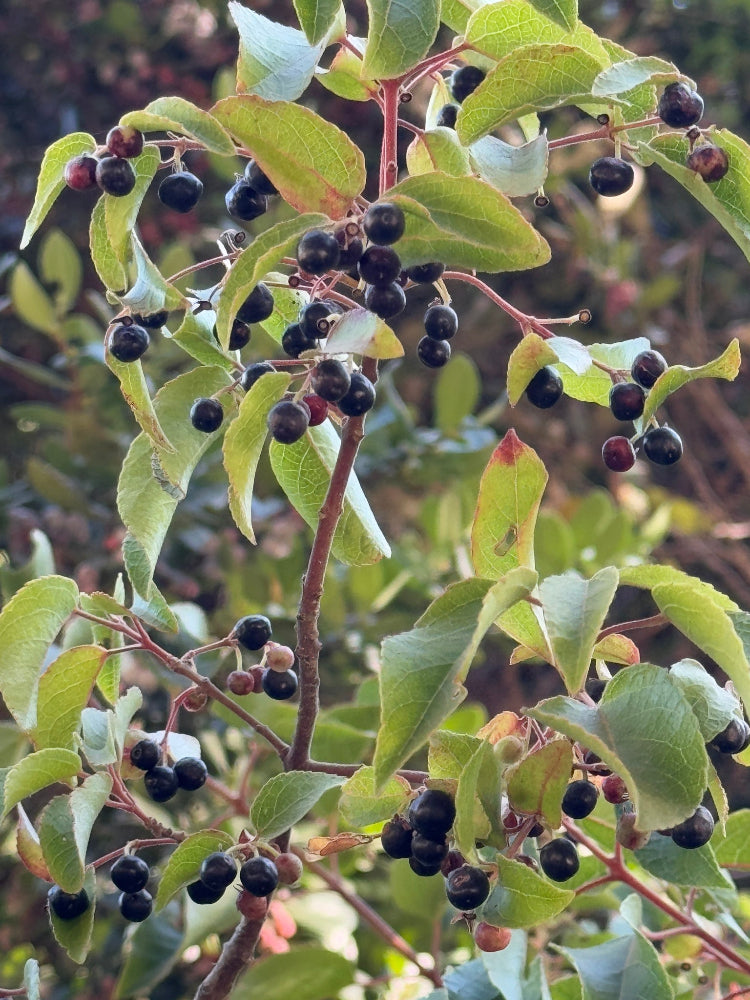
Maqui, a chance to live like the locals do, this rare and reportedly tasty (somewhat like a tangy blueberry) fruit with the equally tasty common name of wineberry grows only in Argentina and Chile. Luckily we received wild seeds from FRBC board member Cody Hinchliff! The glossy evergreen leaves are not the commercial selling point here but are nonetheless pleasant enough. Unfortunately these are frost-sensitive so unless we can somehow coax them into fruiting in the greenhouses we will remain jealously unawares of the flavor of both wine and fruit, but we make this sacrifice for you our adventurous customer base. (We expect a refrigerated truck bearing the bountiful results of your cultivation!)
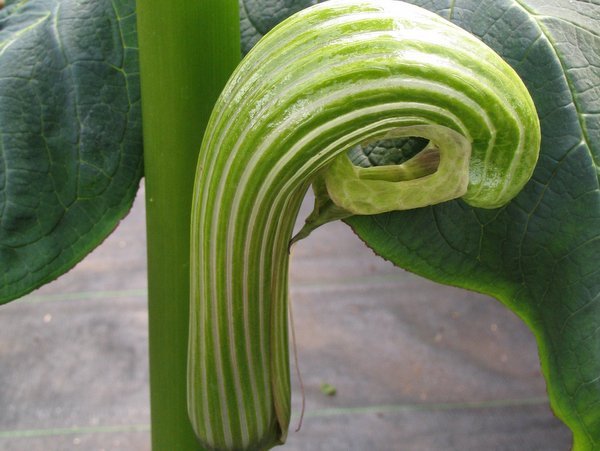
Helmeted Cobra Lily or Jack in the Pulpit. Young bulbs of this rare species from the Indian Himalayan foothills. Tall stems to 4'+ carry big 3-parted leaves and strongly cowled or helmeted flowers varying from green with white stripes to purplish. Choice plant and one to brag about. These are and seed-grown from our plants in our shade garden which have persisted and done well for 7 years now.


Our collection from a compact population near the summit of Leigongshan in 2010. These were exceptionally handsome rounded evergreen shrubs with clusters of small white flowers in June and umbels of red berries in the fall. This will become a familiar plant in the landscape in years to come. A subsequent collection from the same population has been given the name 'Thunder's Dwarf'

When you work with plants as long as we have the verdure begins to have a Stockholm-Syndrome-like effect on your brain and you soon begin to demand that even your flowers be green and "viridiflora" sounds like music to your ears. For those in similarly dire straits these South African bulbs and their tall spires of flowers are the cure you're looking for.
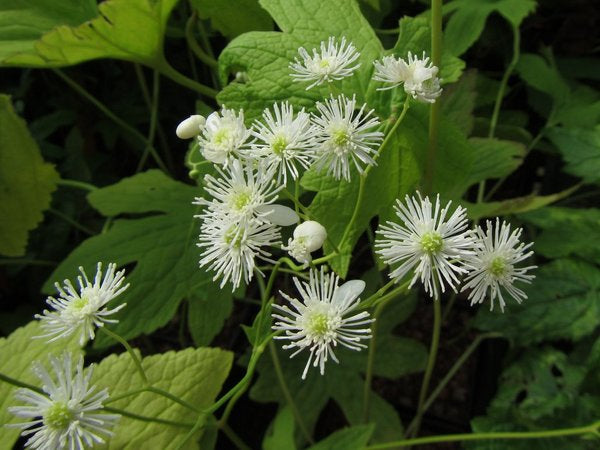

An exquisite and rare shrub both in cultivation and in nature. This dwarf fringetree is found only in small Florida populations and is facing possible disappearance in the wild much like it's textile fashion equivalent but at least in the case of the plant not for lack of visual appeal. This unsuspecting tree explodes head to to skirt in a riot of long-petalled white flowers dangling gracefully like sleeves at a discotheque.
*For sale only to Washington customers*
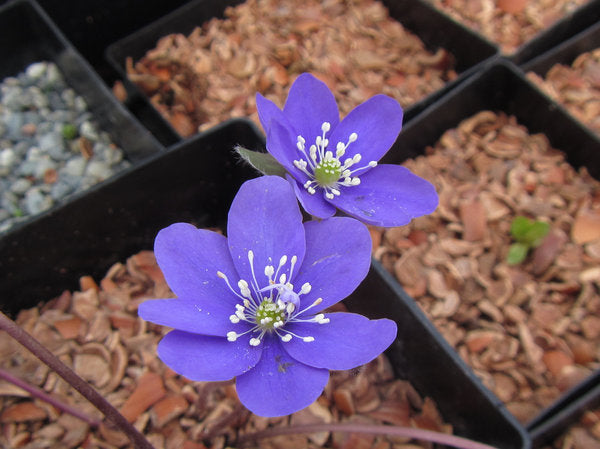


Attractive cousin to blueberries growing in the trees of Thailand's northern mountains. Sometimes seen offered as a hybrid clone 'Red Elf', this is typical hosseana which is a small evergreen shrub with dark red flowers that can take light frost. The fruit is edible and would be nice sprinkled on Thai Beef Salad, Phla Nuea.


Native to Chile, this is in the Solanaceae and will become a 4'-6' evergreen shrub with drooping and narrowly tubular yellow flowers with long exserted stamens. The foliage is a bit unpleasant when crushed - and only then - which makes us think it will be deer proof. Has proved hardy outside in our PT frost pocket for a good decade now, may get cut back by the fiercest winters but bounds back quickly. Good for a sunny position and was given the Award of Garden Merit by the Royal Horticultural Society.


This is the hardiest of the Eucryphia species and it has gone through some seriously bad times here and bore all with affable equanimity. These are cutting-grown from a plant we salvaged from Leo Hitchcock's Seattle garden. A deciduous species with trifoliate green leaves and surprisingly large showy white flowers in latter summer. Very Choice.
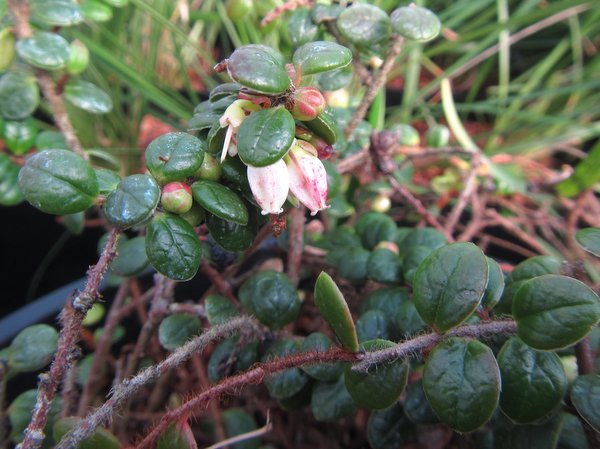
Thank gods for Steve Hootman of the Rhododendron Species Botanic Garden who is a champion of the lesser Ericads otherwise we would be blissfully unaware that so many necessary plants such as this existed and this rare epiphytic Vaccinium is just such a plant. Fortunately Steve did not assess a leech surcharge appended to each sale of this plant otherwise we would be in serious trouble as they were legion in the Salween and his stories of his boots squishing as if filled with water from the monsoon rains only to find that upon removal of the boots that the sloshing was not so much water as it was blood which poured red from the weeping leech bites. Eighteen bucks starts to sound pretty reasonable don't you think? Very cute little epiphyte with small rounded cupped leaves and wee white flowers. This is going to be a source of no small pleasure in zone 8 where it will be happy growing in a container creeping in a rotting log or mossy rock in part shade. We grow ours in a cool greenhouse kept just at or above freezing and has been easy as pie. Not the showiest in the genus but isn't high maintenance or prone to drama. This has an unassuming beauty that only generations of attention to understated detail can achieve and there is not a thing we would change about this except perhaps that occasional nightmare concerning leeches.


This natural hybrid of one of the classic South African bulb genera is endemic to Cape Province, and you'd be hard pressed to find it much further than that native range even in cultivation, luckily we have excellent connections like Michael Wickenden who generously shared it with us. Bladelike foliage, while nice, is unlikely to wow. The flowers however can grow in great spikes of up to 6 1/2 ft tall! Individual florets can come in red or pink and look rather similar to a more trumpeted Hesperantha, corollas flaring out to a star shaped opening. Prefers a Mediterranean climate and very well draining soil, can be pot-grown in a similarly draining mixture for those not living the riviera lifestyle. *THIS DESCRIPTION REFERS TO WATSONIA X LONGIFOLIA AND IS YET TO BE UPDATED TO CONCUR WITH ITS PROPER ID*


Never enough of these whimsical epiphytic blueberry relatives with their chunky lignotubers and whimsical tubular flowers in a seemingly infinite variety of colors and patterns. Luckily thanks to our favorite local Ericaceae dealer Steve Hootman we are never long without. This collection flowers with white, slightly fuzzed flowers tinged green at the base and tips. The densely hairy arching stems and glossy leaves are good enough on their own, especially when they are flushing new foliage in salmon tones. Particularly vigorous and easy to keep looking nice as compared to its fellows in the genus, may have some hardiness as well.


SHIPPING RESTRICTIONS MAY APPLY
One of the great Mahonia species or Berberis as they are now sometimes known. We saw this growing on Wawushan in Sichuan where it exhibited it's characteristic waxy white underleaf. Loose sprays of pinky-orange flowers in late summer and early fall are followed by nice fruit. Easy and a connoisseurs foliage plant.
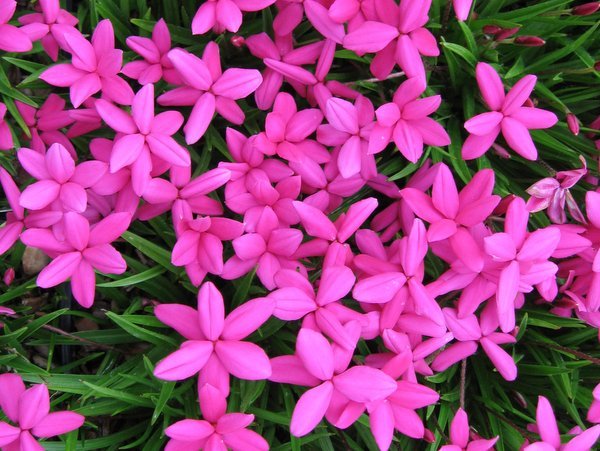
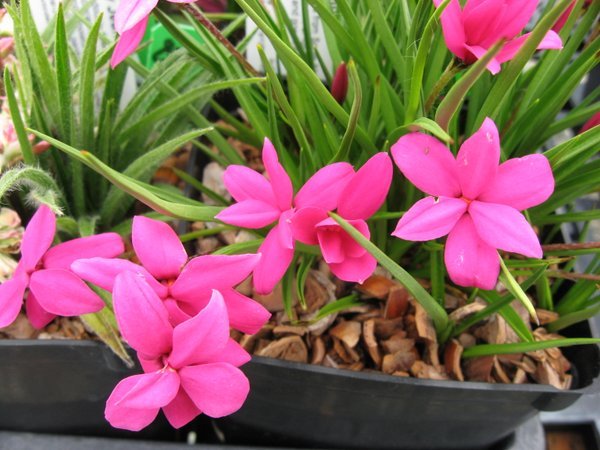
In the interest of full disclosure, we received this as Rhodohypoxis rubella from a reputable Dutch specialty bulb grower years back and we are having our doubts as to its veracity. Images of R. rubella in the wild suggest it is lighter pink, but then plants can have tremendous variability in the wild or none at all depending on the species. This has smaller flowers than typical R. baurii or its hybrids and smothers itself in rich deep dark pink flowers. Rhodohypoxis grow in South Africa at higher elevations on granitic cliffs where they inhabit little soil-filled pockets. They like good drainage and moisture while in growth and need the good drainage in winter to keep from rotting. Traditionally a classic bulb for small containers or pans as they they quickly fill out a pot and put on quite the display and then when they are going dormant it is easy to bring them into the garage or cool greenhouse over the winter. Here in the PNW, these are excellent rock garden subjects requiring only a bit of covering if winter temps plummet.