
Search results
217 results
Search results



An uncommon New World subtropical blueberry relative native to the Andes. Can be epiphytic and has hanging thin branches up to 5' long but usually shorter with rounded pale green leaves. Just looks like it wants to be on a dripping cliff by a waterfall. Egg-shaped flowers that are white-pink with darker tips followed by translucent violet-tinged edible berries much like Agapetes. No frost. Way nifty.

Unlike its namesake this Primula hybrid hails from the Emerald isles. What it does have in common with the queen of myth is that alluring combination of darkness and light that makes for characters that live on through the ages and plants of timeless garden quality. The soft pink flowers echo chivalric beauty and the darkly sultry foliage speaks of adulterous romance, in this case cuckolding our usual monogamy with species Primulas. These plants come from our established clump in our wet and partly sunny bog garden.


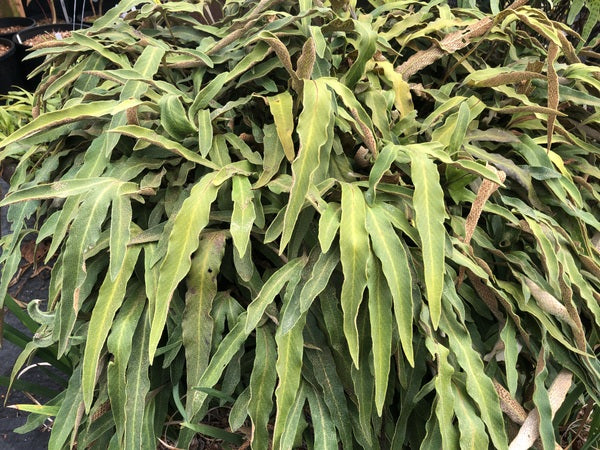
Lives up to it's common name of Felt Fern. Felty-soft, three to five-lobed fronds stay evergreen and have coppery undersides. Growing as an epiphyte in its native range, this prefers good drainage and a partly shady spot. Spreads very slowly, but definitely worth the wait. What we are selling here is a predominantly 3-lobed form that is going around incorrectly as P. hastata.

A deciduous shrub that can be treated as a perennial or a woody perennial with the form and firepower of a flowering shrub depending on your clime. Each year the pithy arching stems rocket up to human heights and explode into a cascade of pink pea flowers. A worthy addition to a perennial border or to add a floral punch in a space where evergreens are the winter showpiece. Plus, I must say its a pleasure at cut-back time with its neat arrangement and satisfying woody crack. Can be a bit aggressive in the warmer climes of the Southeast.
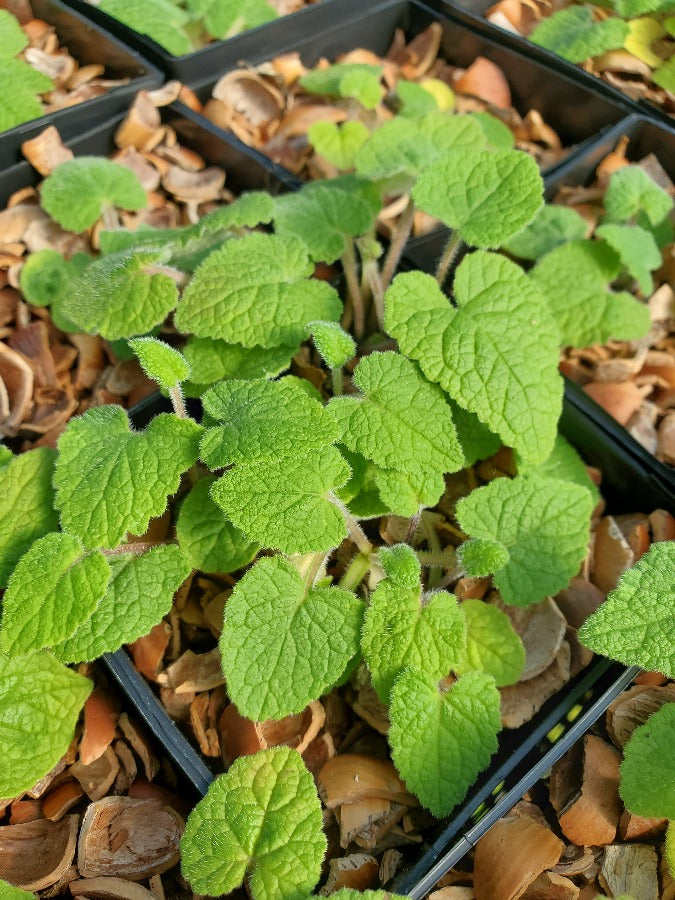
Coming to us from ace rock gardener Kathy Allen of Oregon, and native to the Caucasus this forms a nice spreading clump of evergreen lightly ruffled heart-shaped leaves before putting out flowering stems of up to 2 feet covered in star-shaped bells of white. Happy in a well drained rock or crevice garden setting.

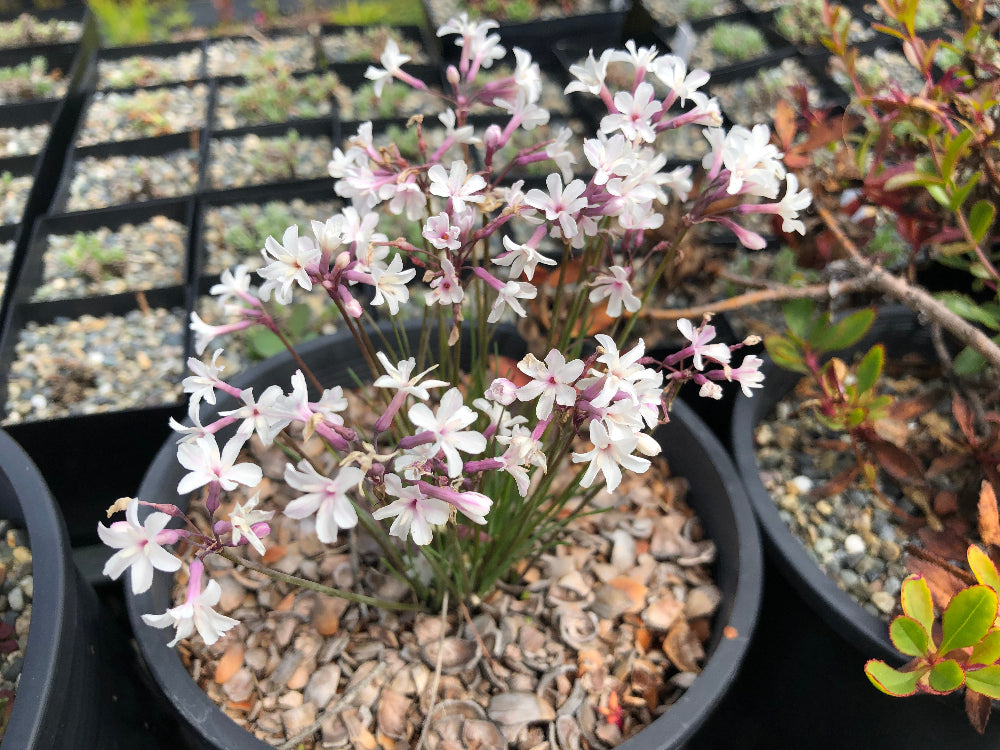
Perhaps polite society really is dead, or at least polite society garlic. This poor little fella is quite possibly extinct in the wild, or at the very least critically endangered and restricted to a tiny area of the Eastern Cape in South Africa. If that's not enough to elicit your sympathy then the sweetly fragrant soft pink flowers are sure to win over your heart, and make you forget for a blissful moment the comparatively uncouth smell of the foliage (though that provides it with deer resistance. Drought tolerant and desirous of fair drainage but otherwise easy going for a South African bulb.

Alpine ferns, full-sun ferns, NZ ferns are all underrepresented in US cultivation. This species and even more broadly this genus are completely unrepresented as far as I can tell. Named the thousand-leaf fern for its finely divided appearance, it can be found high in the mountains of Aotearoa scrambling in between rocks where it forms dense low clumps, a habitat betrayed by its distinctly fuzzy texture. Happy in sun with sharp drainage and though its considered semi-evergreen it goes dormant for us in the greenhouse during winter and will likely doubly do so with outside temps. Hard to say on hardiness given the scarcity but we are betting on 8a at least.

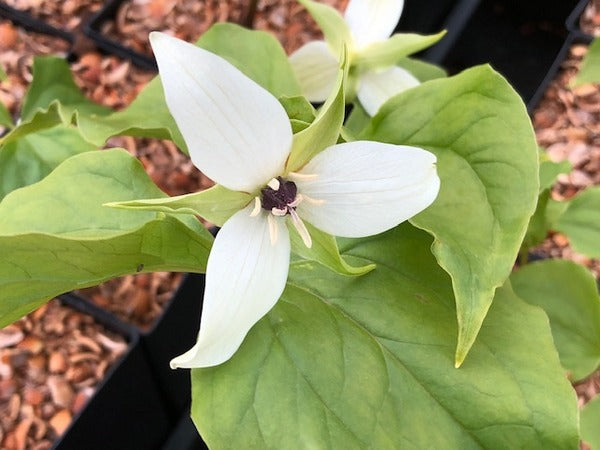
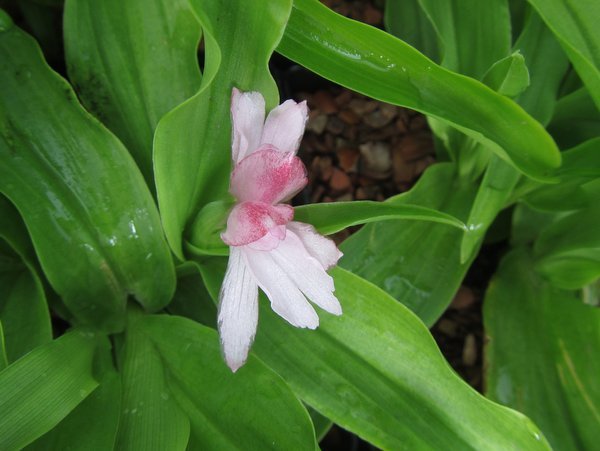
Diminutive member of the true Ginger family, this little tuberous jewel makes up in volume what it lacks in size. Exotic small orchid-like flowers of soft pink. These increase by offsets and self sow making a grand little patch time with loads of the intricate little flowers.


This is the plant that was once sold under the now disavowed name Schefflera chapana in the UK and is now being sold by Nick Macer of Pan-Global as aff. alpina. That name itself is problematic as well often being used as a dumping ground for difficult or unknown Scheffs (or Heps if you're hip). Regardless of what its called this is a real beauty that has been thriving in the Comox, BC garden of our friends Kailey and Nathalie (Wild Oasis Plants!) who shared the seed with us. Rusty fuzzed stems and petioles that are blushed purple-pink closer to the leaves which are an attractively dusty matte-textured dark green. Many of these seedlings show a nice red flush to the emerging foliage as well.