
1707 products
Sort by:
1707 products
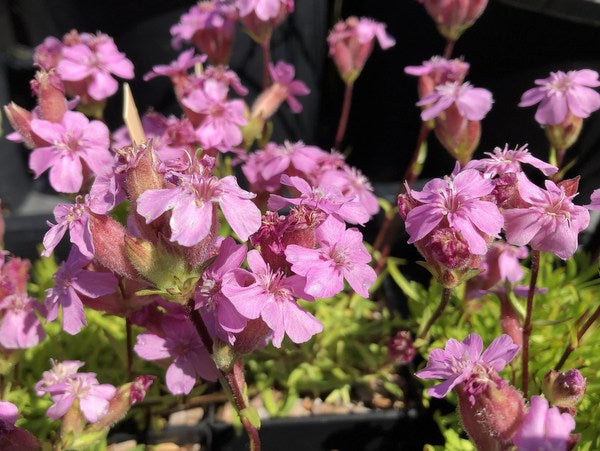
Rock Soapwort. This is a lovely and tough rock garden or crevice plant from the Pyrenees where it grows in exposed sheer rock faces. Dense cushions of close-packed rosettes with narrow short green leaves. Pink-purple flowers are held on short 2" stems in groups of one to three. One becomes a group when hanging with the Threes. Full sun, good drainage, zones 3-8.
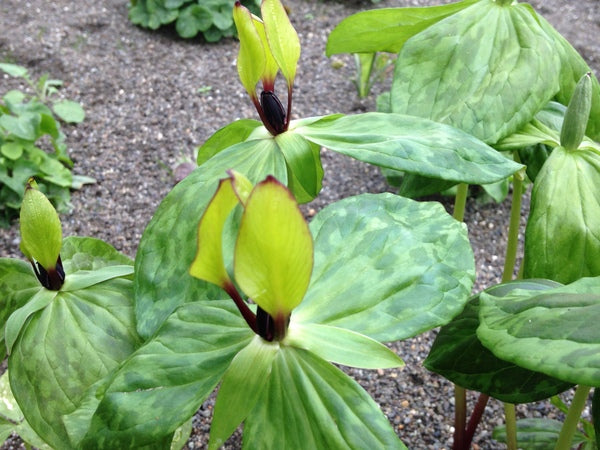
A newly described (2013) species found in..............wait for it.............Tennessee in just three locations. Incredibly rare and a very exciting find. These are seed grown from our plants, specimens used to describe the species and do not impact the wild population. Small yellow flowers with a maroon base. A Far Reaches Botanical Conservancy Offering. These are likely not flowering size. The good news is that they increase quite well vegetatively - we were pleasantly surprised when we lifted our plants and saw how much they increased.
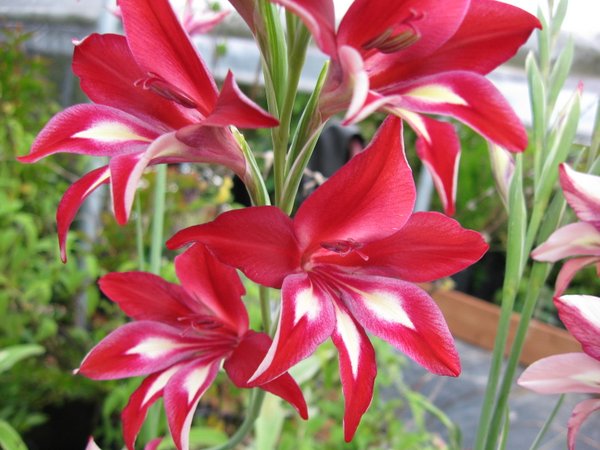
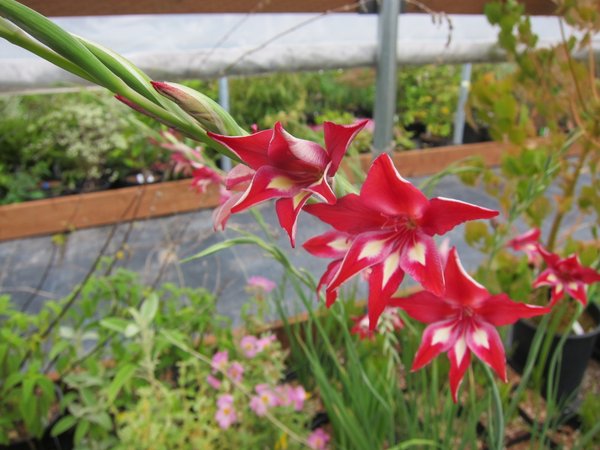
Riveting species from mountainous regions in South Africa where it grows on moist cliffs and near waterfalls. Vivid cardinal-red flowers on slender stems with white blazes on the lower 3 petals makes this nearly imperative to own. This is hardy in the PNW thankfully especially if mulched in the event of severe winter cold.
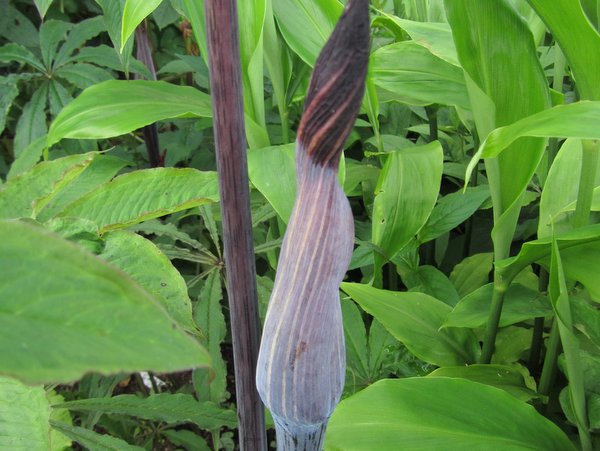
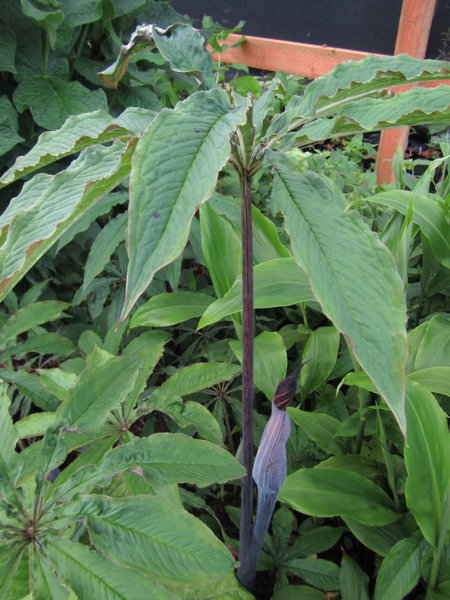
Rare species of Jack in the Pulpit and even rarer in this brown form. The typical folded in green spathe is washed in purplish brown in this form. Unique in this genus in having no spadix or just a nubbin so perhaps Jackless in the Pulpit is a better name. Excellent increaser, nice new growth.
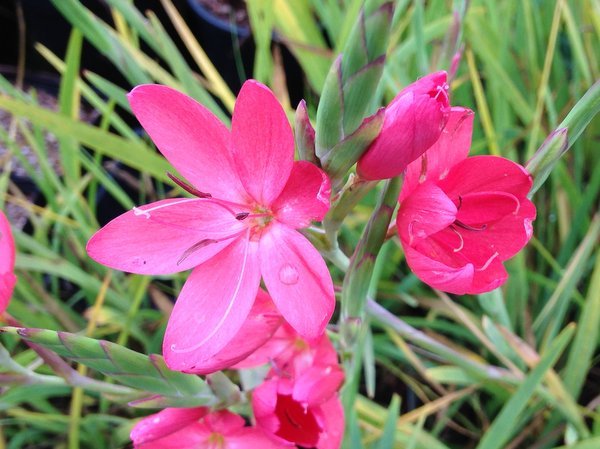
aka Schizostylis. A later blooming selection of perhaps more stoutness in stem and flower than some other clones. A good rounded pink flower on comparatively stout stems that holds the flowers nicely. And it is true that we enjoy the flowers here in November assuming we don't get an early cold snap. A good increaser and for those of you who have to be dragged kicking and screaming into winter refusing to let go of the last vestiges of summer then this is the plant for you.

Our collection from near 11000' where this grew epiphytically on the furrowed bark of tree trunks and on moss-covered rock. A deciduous species, this has resemblance to Selliquea oxyloba but we are lamentably behind in our keying to genus let alone species. Very cool to say the least, whatever this turns out to be.
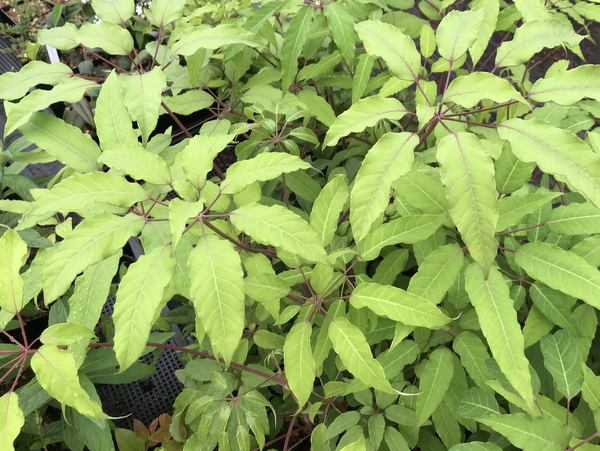
This smaller Schefflera is a very ornamental species from our collection northern Vietnam from a mountain previously unexplored by westerners. Loose panicles of presumed creamy flowers and black fruit. Similar but different to Schefflera sp. NV 023. Pretty cool! A Far Reaches Botanical Conservancy Offering.
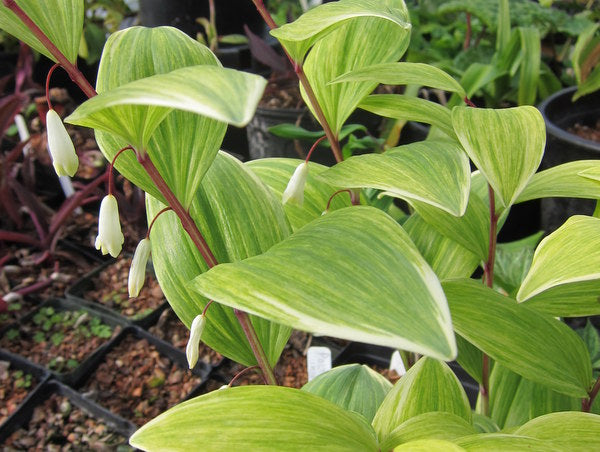
Consistent and attractive yellow/cream streaked leaves on this Solomon's Seal adds a splash of color and collectible panache to the shade garden although this will take a bit of sun as well to no detriment. The usual white hanging bells on slightly curved 18"-24" stems. Tough, easy, good increaser, hardy and very cool - looks like all of the key boxes just got checked!
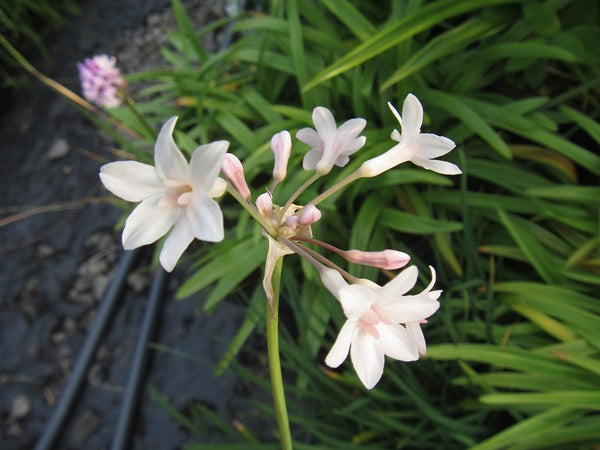
Unlike the common folk of Tulbaghias this "society garlic" got the white-tie message and is rather the more fetching for it. Blushing pink buds opening to pure white or pale-pink flowers making for a picturesque plant I'd be happy to ask for a dance at the next gala, if only it wasn't for that impolite garlicky smell....well beggars for hardy South African bulbs can't be choosers I guess.
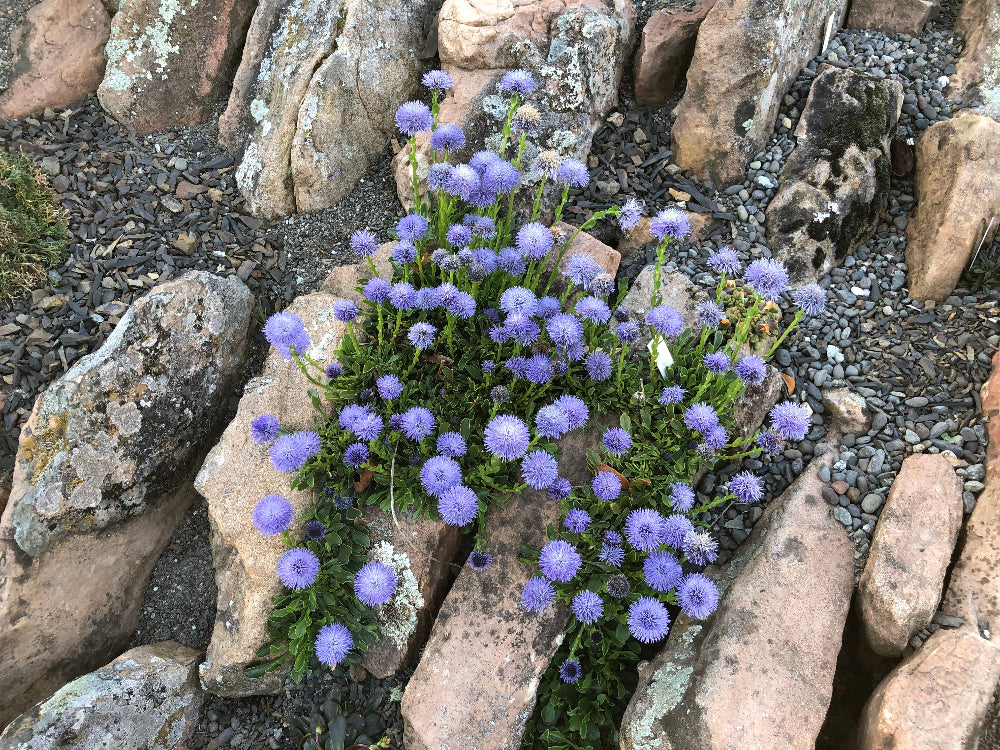
One of the classic alpines for rock gardens and one that should be on the "Easy Alpines for Beginners" list if it isn't already. Low tight mats of small evergreen leaves topped by fuzzy spherical violet-blue flowers in early summer, this looks good all the time. This particular one is from a Hinkley collection in Turkey.
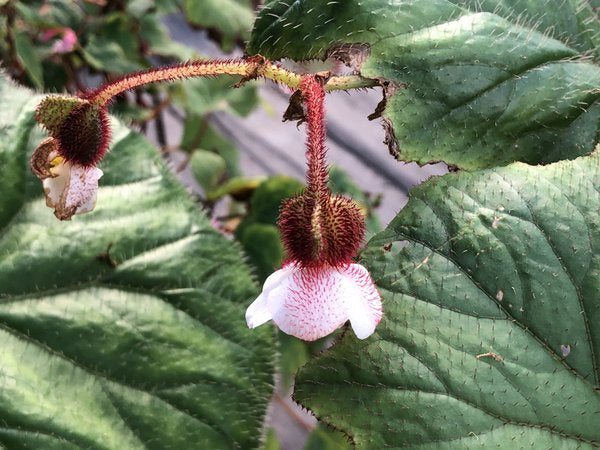
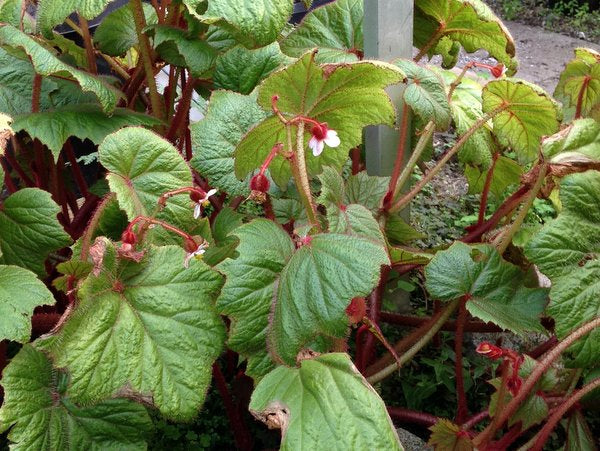
Shayne Chandler's collection from Vietnam of this assuredly tender but most enchanting Begonia. Long stems gloriously hirsute in red hairs hold broadly rounded palmate leaves whose upper surface is studded with carefully spaced green hairs and the underside veins bristle darkly. Pendulous white flowers are small but wow with calyces bearded thickly in Viking red. We easily overwinter this in a cool greenhouse.
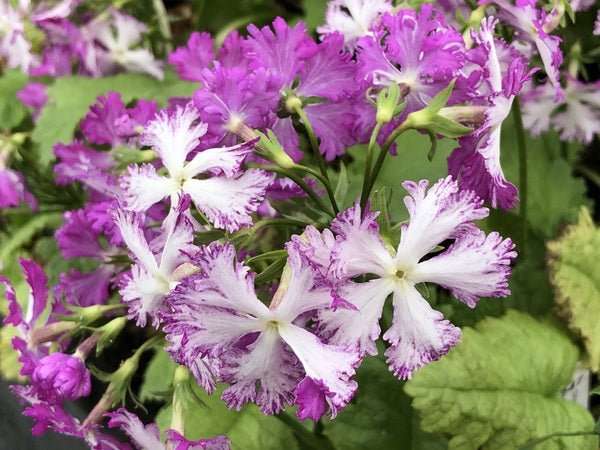
This Lady has a lot to offer and the image of a Madam in a high-end Victorian brothel keeps intruding when attempting to describe those offerings. Courting disaster on the precipice of good taste, exuding confidence without apology, this selection invites anthropomorphism like few others. The rich pink of passion on the reverse, a chaste white on the front with pink-tinged petal margins awakening.
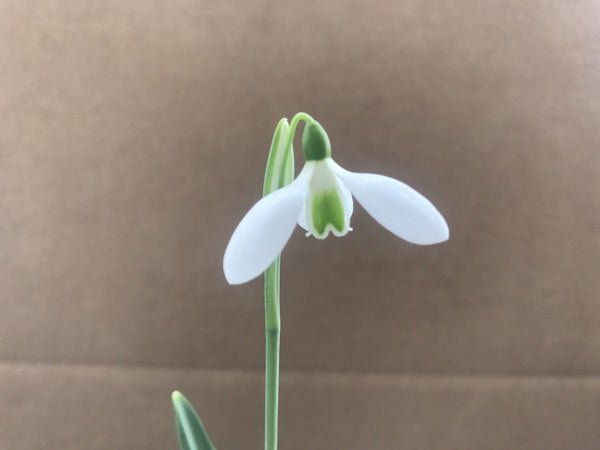
A fine and vigorous form of Galanthus plicatus with inner segments bearing a distinct and delineated green mark. This older selection was found in a garden in the village of Warham and has proved itself as a durable garden plant. Thanks to galanthophile Carole Jennings for sharing her collection with us awhile back.
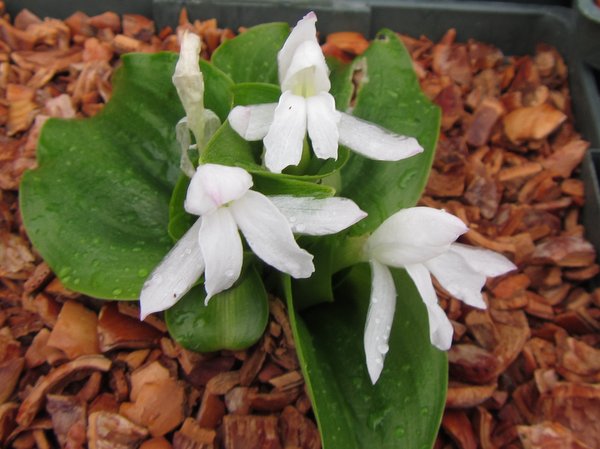
A distinct form of this dwarf species collected near the former Tibetan town of Kangding in Sichuan. With a huge Chinese influx, Kangding has grown to well over 20X it's orignial size in the the last 20 years. This petite species is often found in close-cropped alpine grasslands and this pure white form with its small orchid-like flowers is delectable.
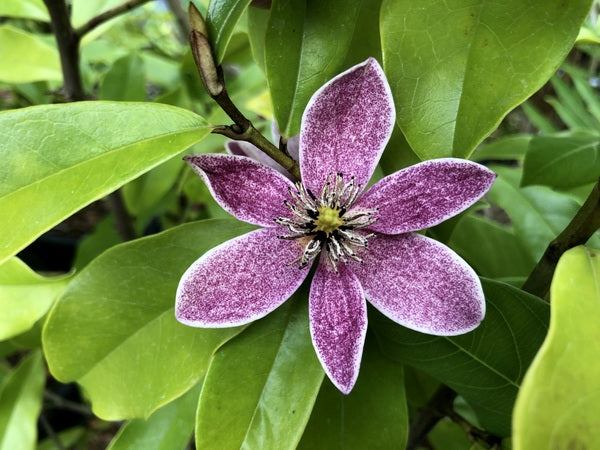
We got this little gem as cuttings from the nursery manager at Stephen F. Austin Botanic Garden a few years ago and have been quite taken by its small glossy evergreen foliage and dense shrubby habit. Finally bloomed for us and we missed it but could tell from the fallen petals it was a lovely small white flower flushed gently in pink. This came to us as laevifolia x figo x crassifolia but its small habit suggests it is probably laevifolia x figo var. crassipes.
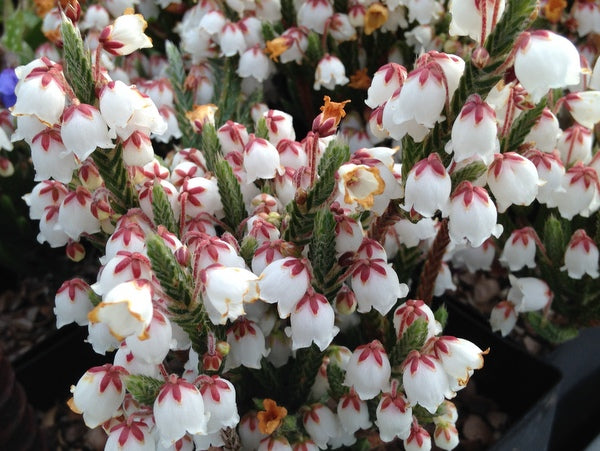
Hybrid seedling arising in Mike and Polly Stone's garden at Askival in Scotland with C. wardii as a parent and likely C. fastigiata as well. This is a very free flowering and upright plant and much easier to grow than either parent. Good drainage with moisture retention in a cool site with good air circulation. Easy-peasy.
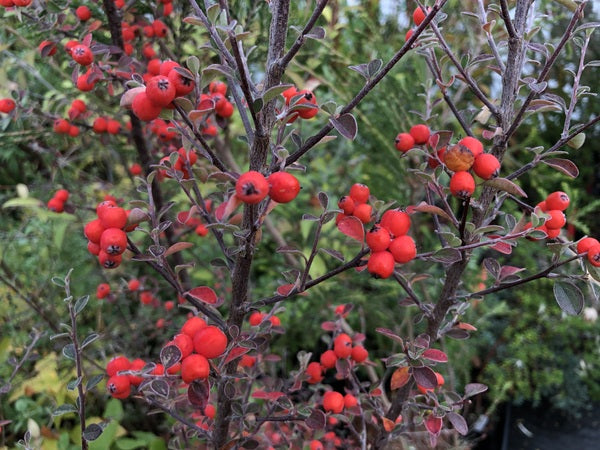
This erect, flirting with fastigiate, species comes via a collection by Canadian plantsman and author/auteur, Grahame Ware, from the turgid waters of the Minyong Glacier at 13000' on Kawagarbo Mountain, in the Meili Snow Mountains of Yunnan, as part of a Kunming Botanic garden expedition. Small leaves and white flowers followed by reddish fruit on a narrow and distinctively upright shrub to 7'+ so far.
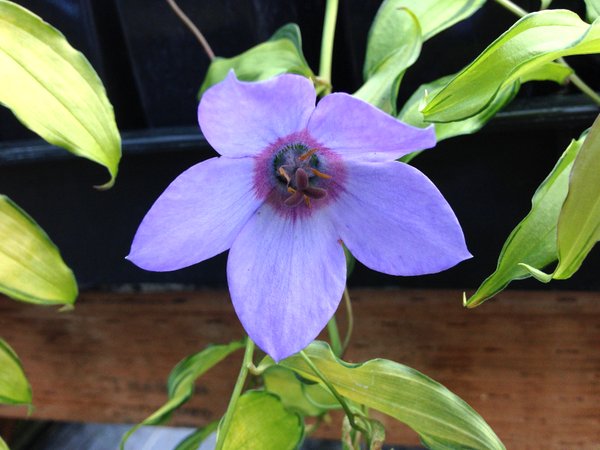
One of the showiest in this genus of vining Bellflowers. Large purple-blue flowers with a dark ring - sometimes pure white - quickens our pulses in either expression. Recently reduced from species status, grey-wilsonii has been retained as a geographic race of the species convolvulacea based on larger leaves and flowers.
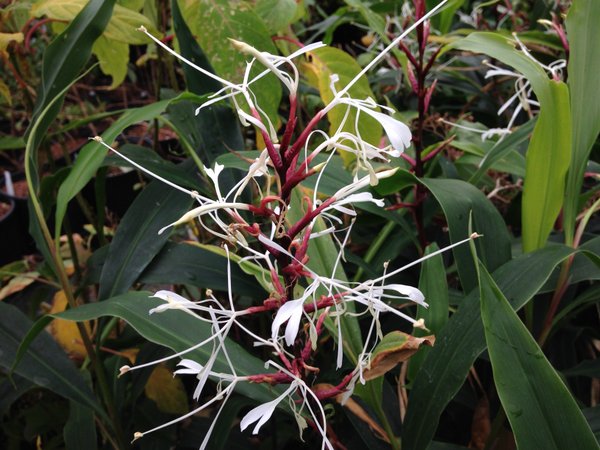
Small winter-flowering species collected by Kettle and Wynn-Jones on Mt Fansipan in northern Vietnam. This is nice little ginger given varietal status due to its larger flowers and much larger sagittate anthers. Sagittate anther envy - it happens even in the plant world. Stems to 28" with very nice spidery white lightly scented flowers with reddish bracts. One of the evergreen species and best suited to frost-free conditions but does great in containers and easy to bring in during cold snaps - we keep ours just above freezing in the winter during the cold dips. Collectable rarity and worth trying indoors if you don't live in the Bay Area.

Our collection of what we presume to be the species psilophyllus although the immature seed capsules match corymbosus. Time will tell and either way, a fine deciduous shade tree with panicles of white flowers in May and June. Flora of China does not list either species as growing at the collection location which is cool.