
1707 products
Sort by:
1707 products


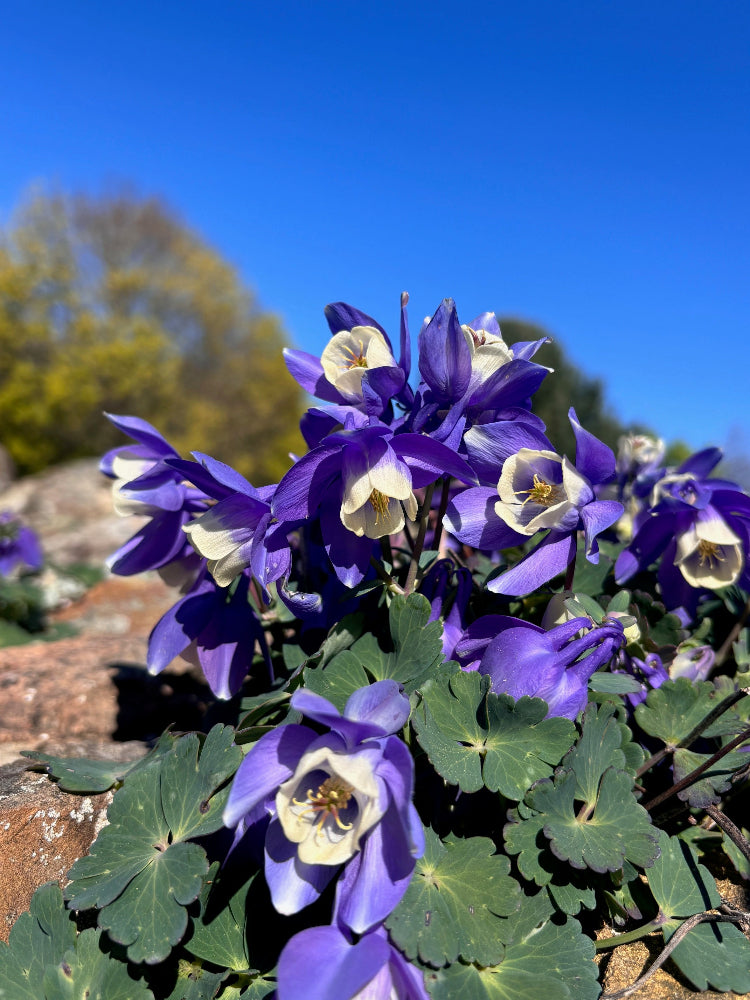
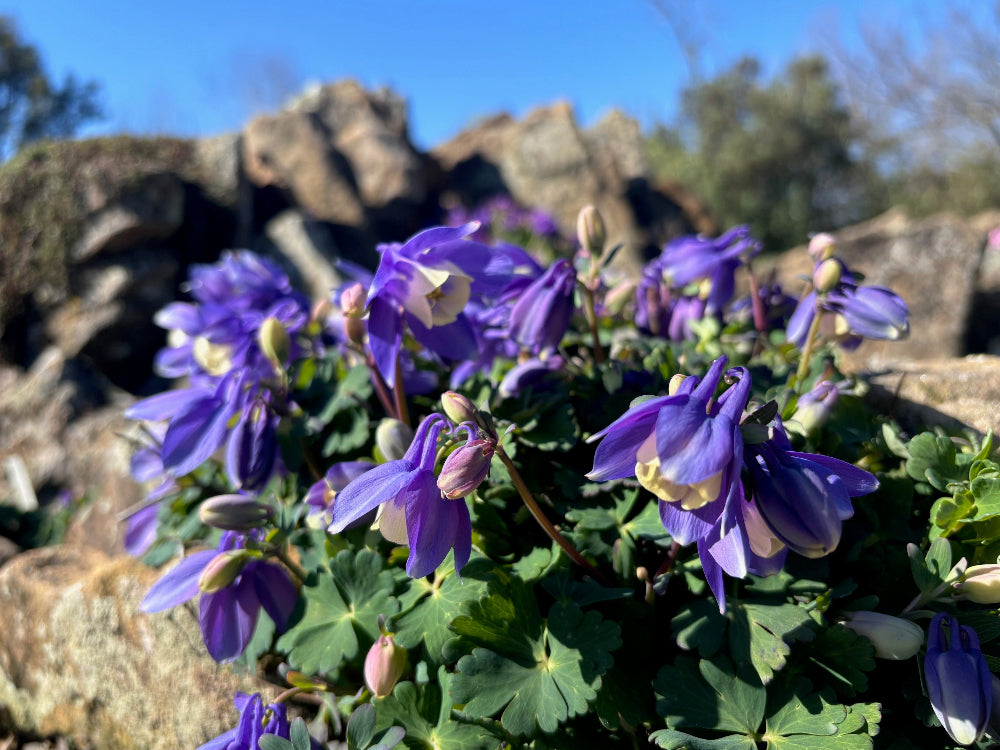
A columbine caricatured for cuteness would be a fair assessment of this species and selection. Taking an already dwarf plant and selecting for the smallest of its kind is very Alpine gardener behavior and luckily this one plays along happily growing and seeding in our crevice garden. Buoyant light purple and white-centered starship flowers outsize in comparison to the teensy vegetative parts. Happy in colder climes but unsuited to strong summer heat.



There is some debate over the hybridity of this cultivar (or cultivar group potentially) and we are pulled in differing directions by the prevalence of hybrid suspicions normally winning out and the relative rarity of true hybridization in most ferns. Regardless of whether it is a mutt or a purebred it is a fine variation on an already classic theme. Finely cut fronds with such regularity in shape that one could easily be forgiven for assuming it to be an unfamiliar species. Cultivar ferns can be a bit marmite but I think even the purists would find this acceptable if not outright agreeable. (It is entirely possible if not likely that the correct name for this plant is 'Cornubiense Foliosum', see Martin Rickard's book on Polypodium for a full idea of the complexities)

The dubious origins of this plant only add to its mystique. Like the hydra of greek myth this Solomon's seal decided two heads were better than one, and then each of those heads came to the same conclusion. Subsequent divisions and branches result in a leafy profusion apt to convince one that they have discovered a shrubby Polygonatum. As beautiful as it is strange.


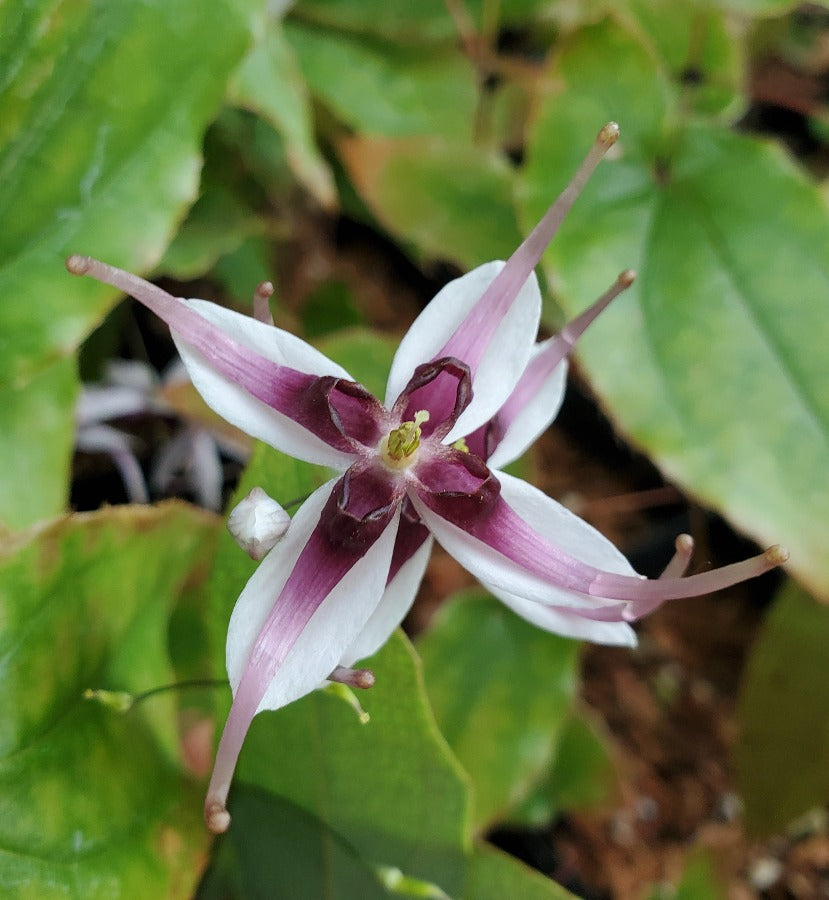
A hybrid between E. moorei and E. lucida that grew from a chance cross at Hillier's nursery, the original plant was cloned and distributed under the name 'Winton' and we preserve that name here to differentiate it from any further x hillieri selections. Retains the glossy narrow semi-evergreen foliage of its parents with pure white flowers beloved by bees and pollinators. Has shown excellent hardiness, anecdotally surviving a below 10F winter freshly planted in a nearby garden. A child which may well outexcel its parents.
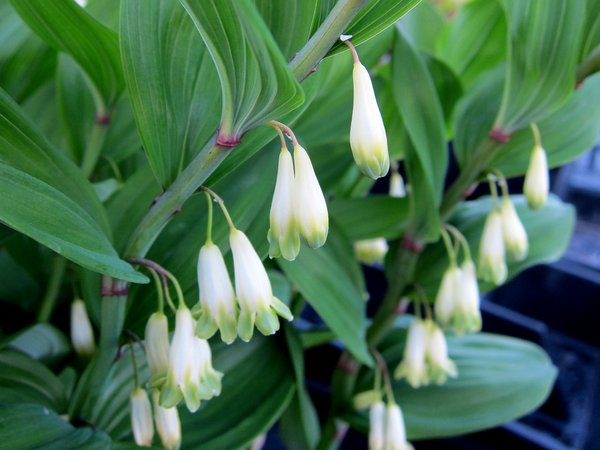
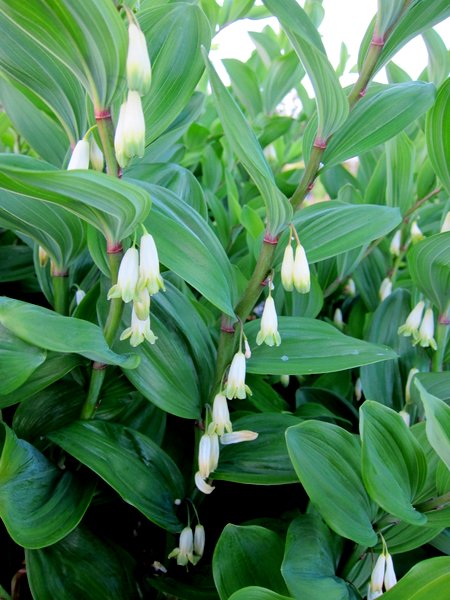
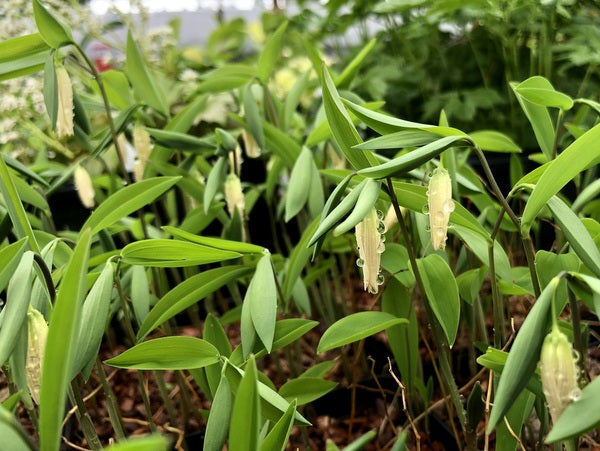
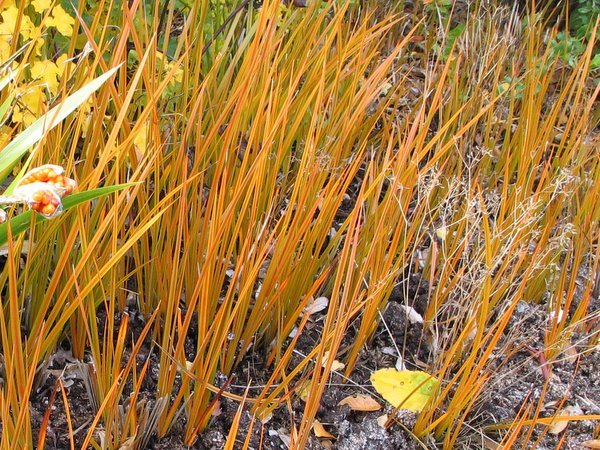
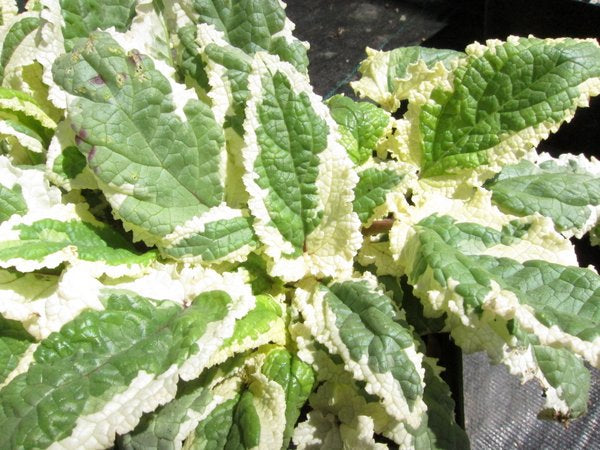

While Leopard Plant is nothing new in the garden world this species is definitely not something you see every day. Restricted to a small area of far east Russia and described by the Soviets in 1965 there is little mention of it to be found though it seems to be fairly well represented in European botanic gardens. Despite the KGB style information black out the sunny yellow flower stalks and classic heart shaped leaves make it anything but intimidating.
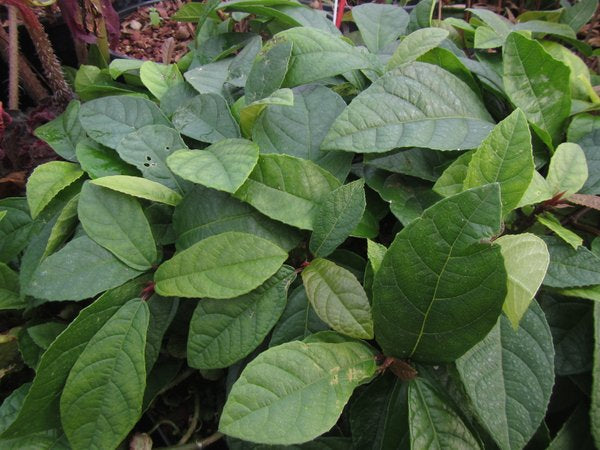
We were pleased as punch when our friend Jim Fox gifted us with cuttings he took from Roy Lancaster's garden where it is growing as a foundation plant against his home. It was not a stretch to think that this plant was from the same population we had seen as Roy had traveled this same road years earlier as part of the Sino-British Expedition to Cangshan. Sadly we can't grow this outside here in our gardens but if you are lucky enough to have only very light frosts or none at all, then this would be a fine groundcover. This does have small reddish figs but stick to the ones you get at the store.

We're Veratruphiles, no doubt about that and this was a prized acquisition. A Japanese native which is a smaller counterpart to our own native Veratrums or False Hellebores. This is smaller getting to just 3' tall in flower with the flowering stalk draped in white and green flowers tripling the foliage height, claiming it's rightful place only when at its peak and otherwise demurely playing the role of high quality foliage texture.

A clone of black crowberry we received from the late Captain Steele of Bayport Plant Farm in Nova Scotia. Unfortunately with the passing of Captain Steele we no longer have a way of ascertaining the finer points of this plant, nor the origins of its name. So if you know let us know! What we do know is that this low mounding Ericaceous shrub with its glossy black edible berries (requiring another clone) makes an excellent woodland or alpine groundcover!

For me this tree always resides in a particular memory from my time at Yew Dell Gardens in Kentucky. In the middle of the workday, executive director Paul Cappiello came screaming by in one of the golf carts and said "hop in we're gonna go look at a tree". So I did and off we went, ripping through the arboretum at top speed until WHAM we were smacked in the face by a thick, heavenly floral scent. The source of which revealed itself when we turned the corner and entered a sun-flooded clearing where white petals danced in the air as they fell from a majestic beast of this species drenched in flowers. "I think this is the best snowbell species", Paul said and it was certainly hard to disagree in that moment, its hard to disagree now for that matter. You need this.