Sort by:
1703 products
1703 products





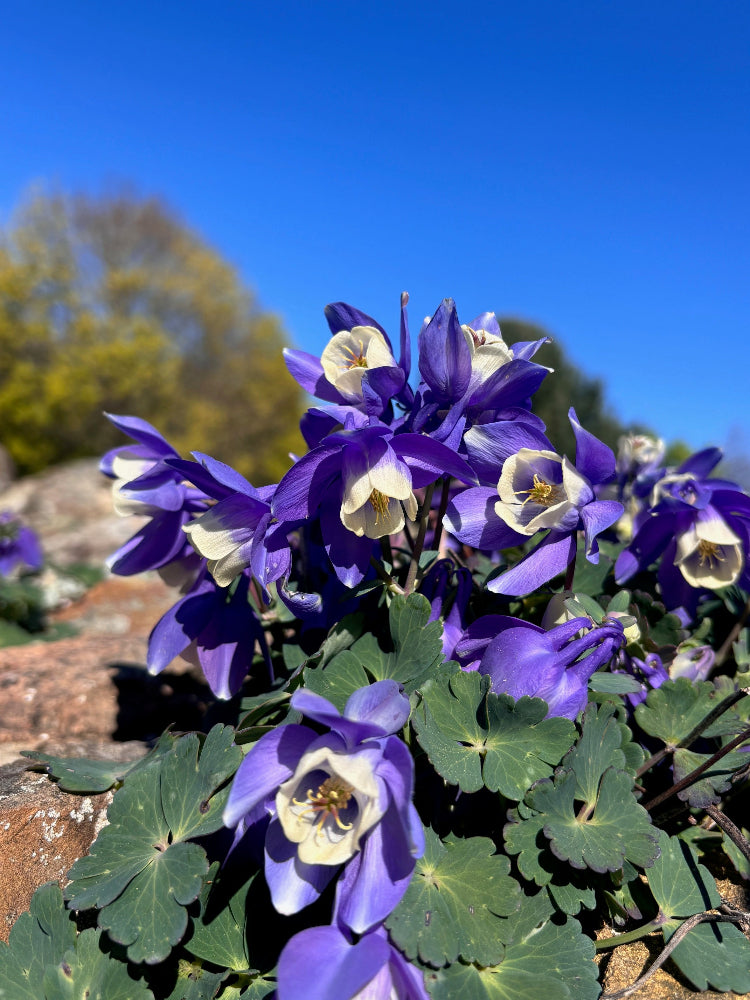
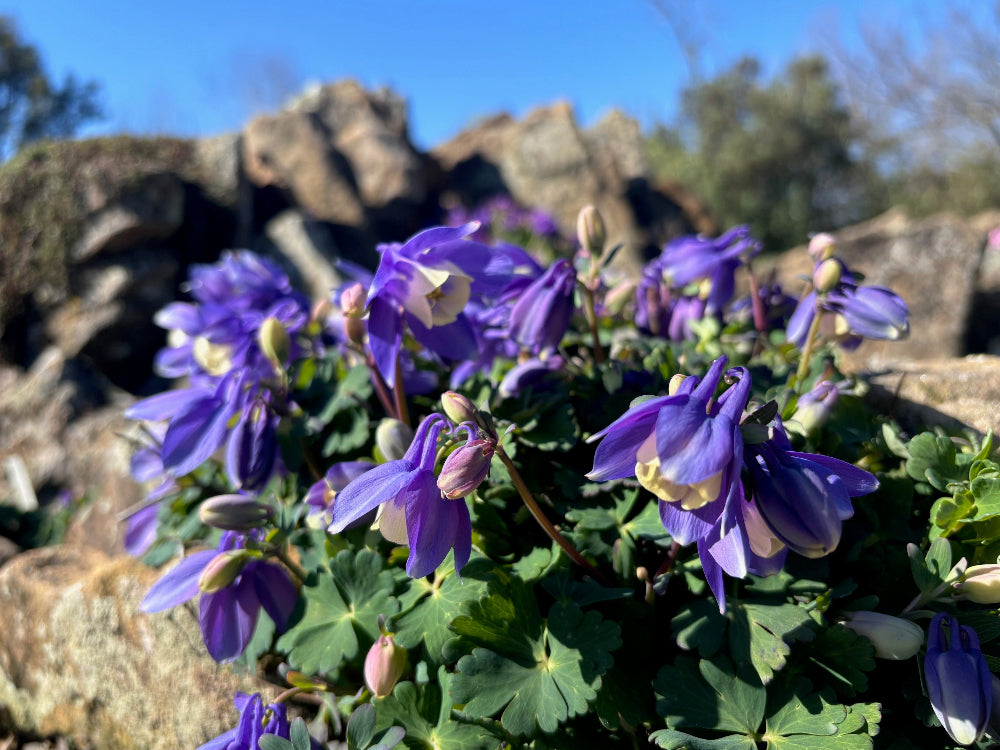
A columbine caricatured for cuteness would be a fair assessment of this species and selection. Taking an already dwarf plant and selecting for the smallest of its kind is very Alpine gardener behavior and luckily this one plays along happily growing and seeding in our crevice garden. Buoyant light purple and white-centered starship flowers outsize in comparison to the teensy vegetative parts. Happy in colder climes but unsuited to strong summer heat.


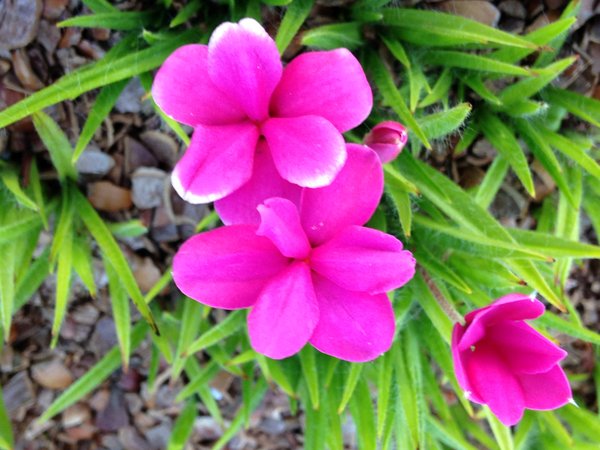
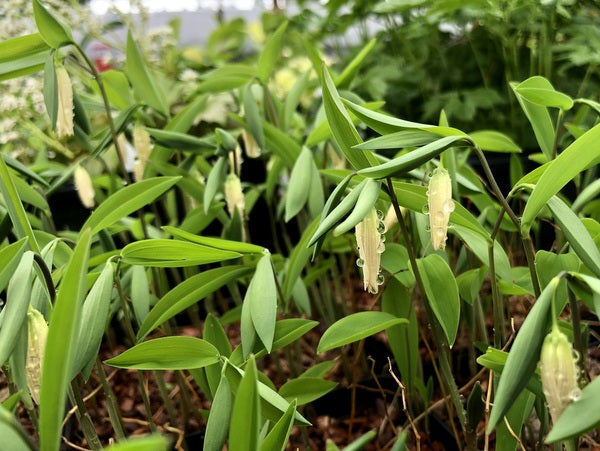

While Leopard Plant is nothing new in the garden world this species is definitely not something you see every day. Restricted to a small area of far east Russia and described by the Soviets in 1965 there is little mention of it to be found though it seems to be fairly well represented in European botanic gardens. Despite the KGB style information black out the sunny yellow flower stalks and classic heart shaped leaves make it anything but intimidating.
For those who have grown ferns from spore you know that Cyrtomium are how-shall-we-say convivial, popping up where you least expect them. So here an offering for those who appreciate the unexpected joys of life. Due to their dubious origins we can't place a certain name or collection to them but the genus is notoriously indistinguishable anyway. What we can guarantee are the usual smooth evergreen sickle-pinna-ed leaves of the stalwart holly fern that mean you are equally assured of a first-rate garden plant.

A rare dwarf Geranium with sizeable pink flowers. Perfect for the rock garden or special nook. This stays very short - just inches high - making a dense little mass of attractive foliage above which is displayed the very nice pink flowers. Quite tough despite its size.

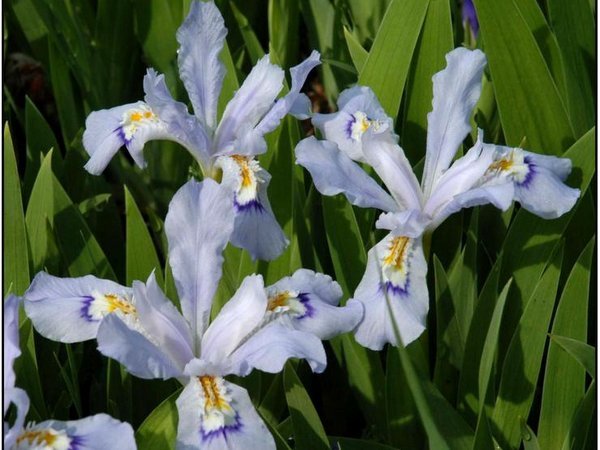
Fairly old-school cultivar of the always-delightful Eastern US native dwarf Iris, and follows the equally old-school trend of calling vaguely indigo-ish plants "blue" in the pursuit of horticultural marketing. The historic name is perhaps more true to life, the flowers exchange their usual study in a variety of soft lavender tints for a more uniform pop of purple.