Sort by:
100 products
100 products

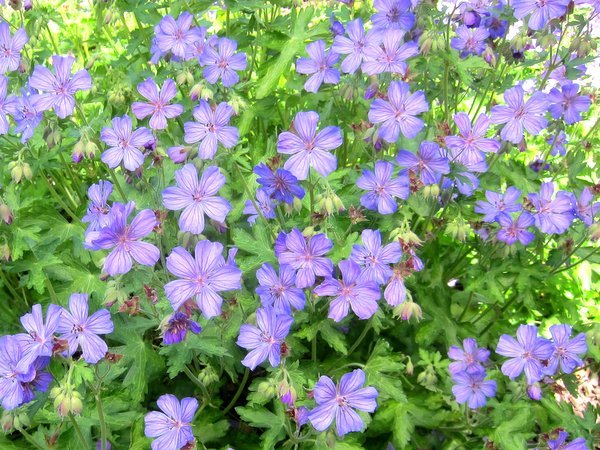
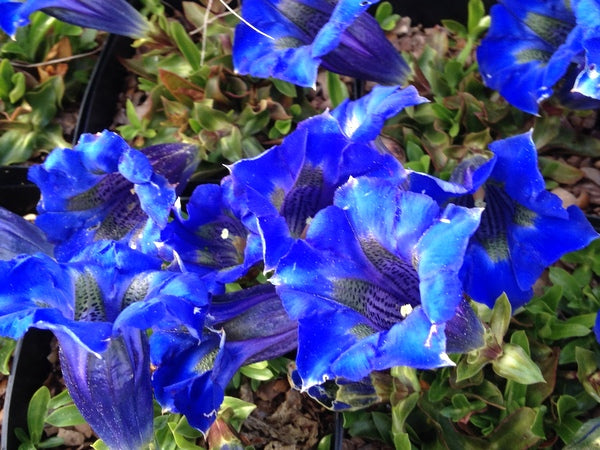
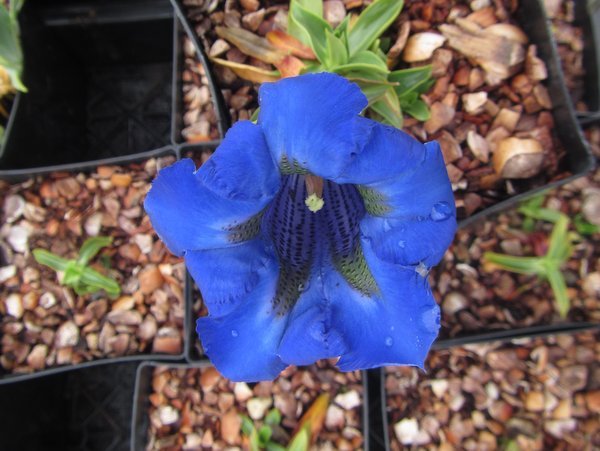
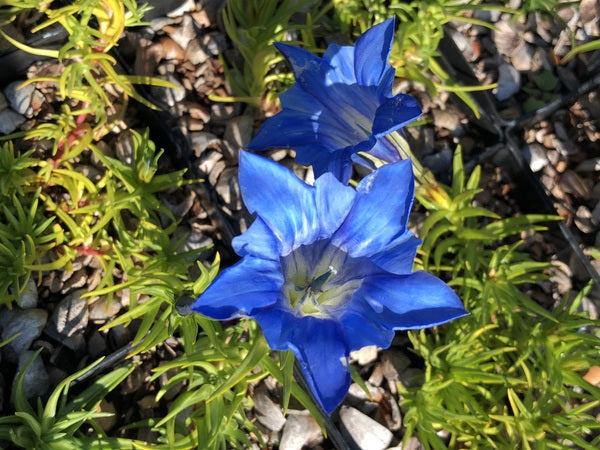
The single cousin of the more widely available double 'Eugen's Allerbester' both selections of Asiatic Gentian found and introduced by German plantsman Eugen Schleipfer and introduced to this country by Urs Baltensperger. Same stunning dark blue flowers which remain cheerily open during the late Summer season and into early fall.
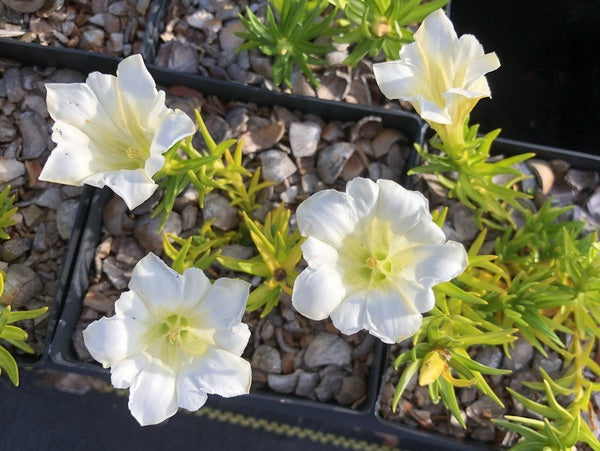
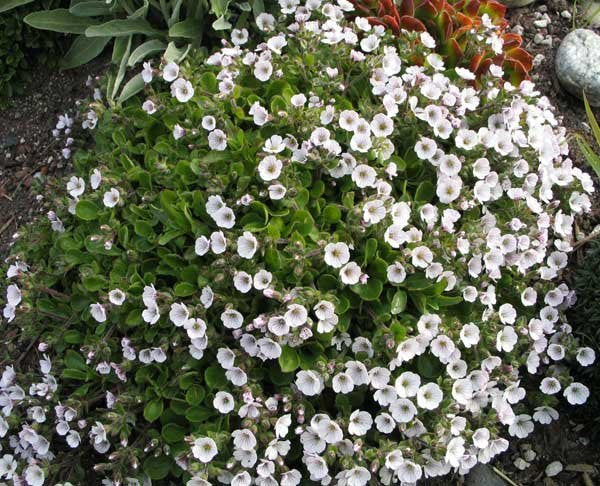
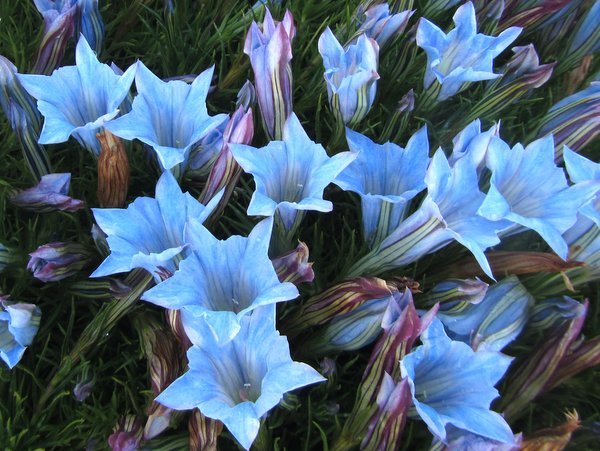
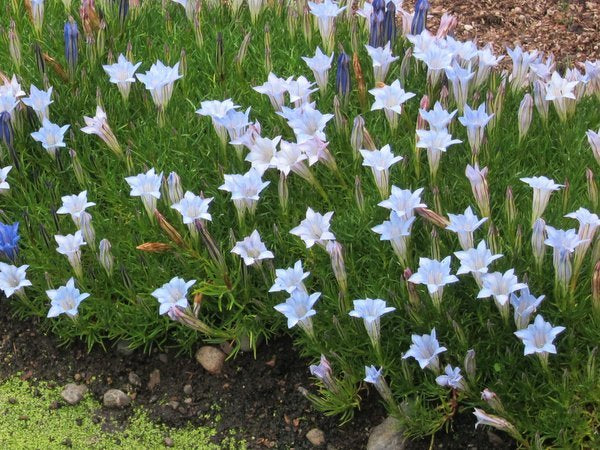
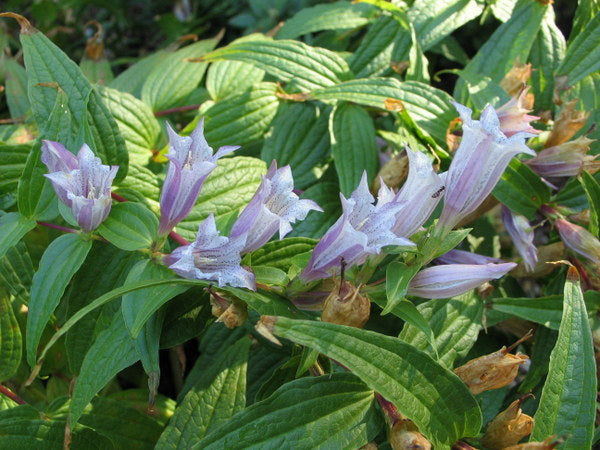
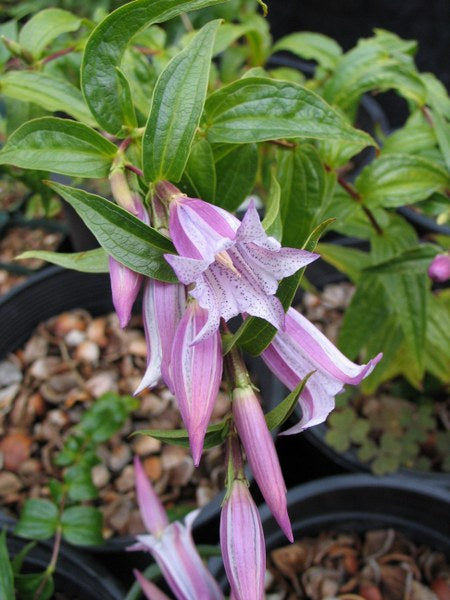
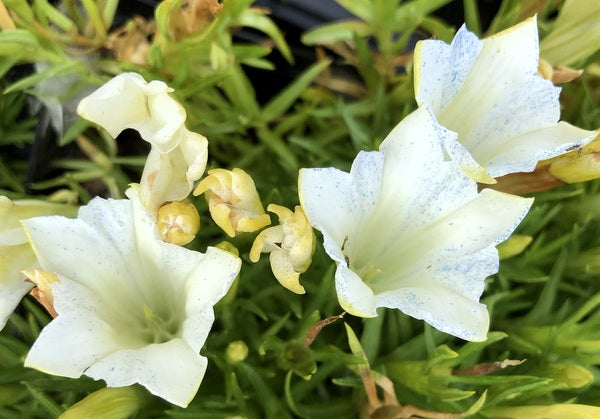
A classy selection we brought in from the UK as the pure white clone 'Serenity,' but turns out to be a dead-ringer for this Scottish selection with alternate petals dusted in light turquoise. Full sun in cool sun areas, or part sun in hot sun. Moist acidic soil please.
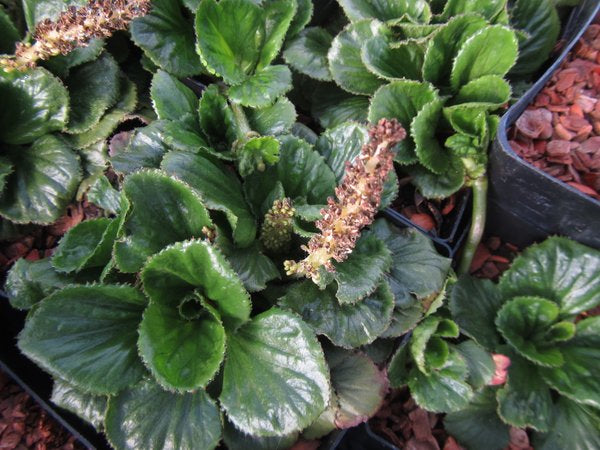


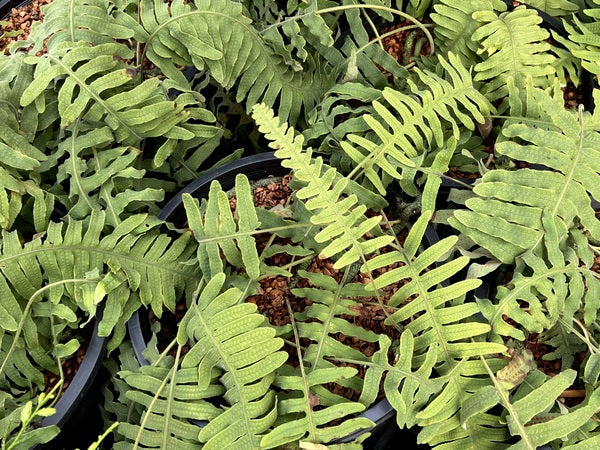
Gonads and Phlegm, all I can think of when I see the vomitous new Latin name. I swear sometimes it feels like the taxonomists really have it out for us poor laborers. Luckily the associations stop there (other than the phlegmatic coloration perhaps). This neat little epiphytic fern picked up on a brief stint in Taiwan resembles the more commonly grown Polypodium formosanum (so much so that we originally collected it as such) in its thick vivid green rhizomes that provide a wholly unexpected dimension of appeal. The fronds however differ with the pinnules in unbelievably precise rows undiminished in length until nearly the tip, reminds me of those brain-becalming social media videos of things so perfectly arranged it just triggers something primal in the mind. Likely happy with similar treatment to more common Polypodiums just with an extra dose of warmth and humidity preferred, as of yet untrialed outdoors here but we are guessing not very hardy. We're thinkin' first intro to cultivation in the U.S.
A Far Reaches Botanical Conservancy Offering

Someone was doing that odd thing where you name a kid the opposite of what you want it to be to ward off evil or some such when they described this one. Despite the humorously offputting nomenclature this is actually a surprisingly cute and fairy-like little ginger relative with stalks of tiny golden flowers in a shape almost akin to a paper crane. Almost unheard of in cultivation, especially outside of botanic gardens so cultural information is scarce to say the least but given the Sichuanese origins and Zingiberaceae nature it likely wants a moist rich soil and to be kept protected from strong frosts.