
136 products
Sort by:
136 products
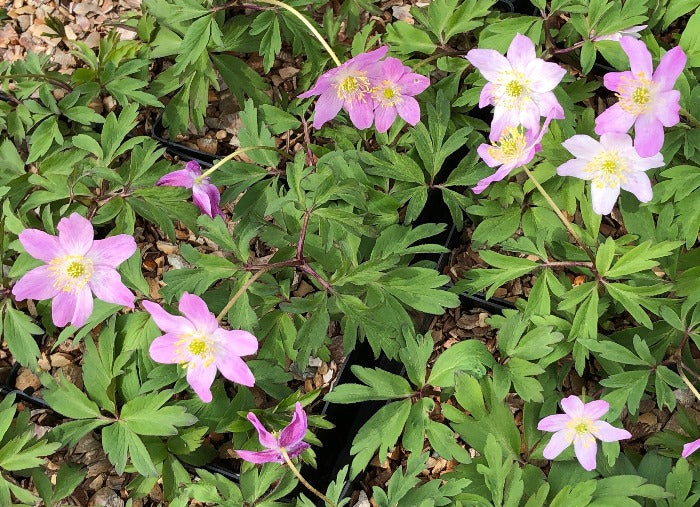
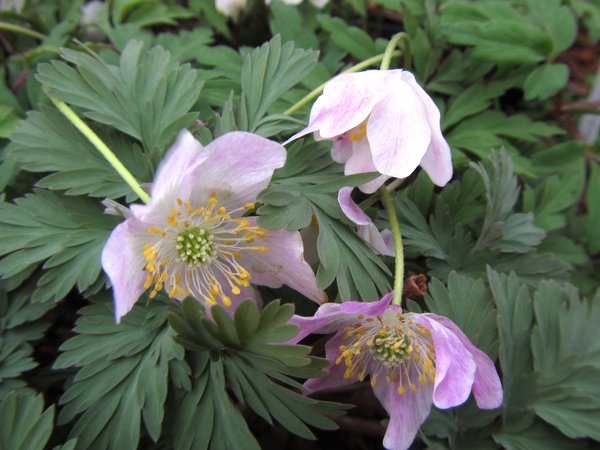
A nice small flowered light pink form of this necessary Anemone species which followed us home from the UK a few years back. What is a necessary Anemone, you ask? One which is indispensable in your shade or woodland garden and whose absence would not only be noted but commented upon and repeated, a gardening gaffe going viral.


Willow Gentian. One of the truly excellent late summer/early fall blooming plants which jazzes up the shade garden with lots of stems in a circular arching vase shape with ranks of blue to lavender blue to sky blue flowers ranked along the stems. Just what you need when you are sick of Hostas. *These are seedlings and flower color will vary*
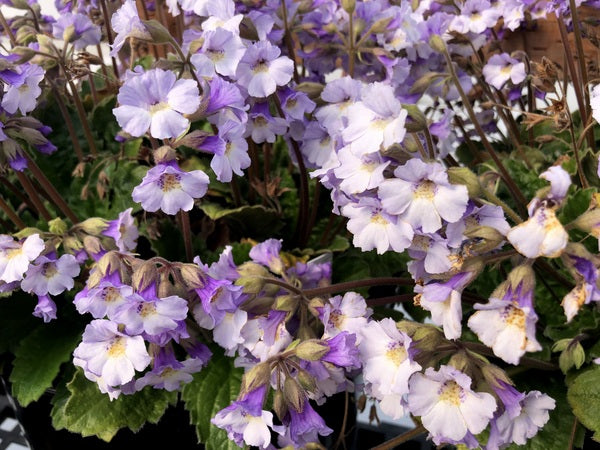
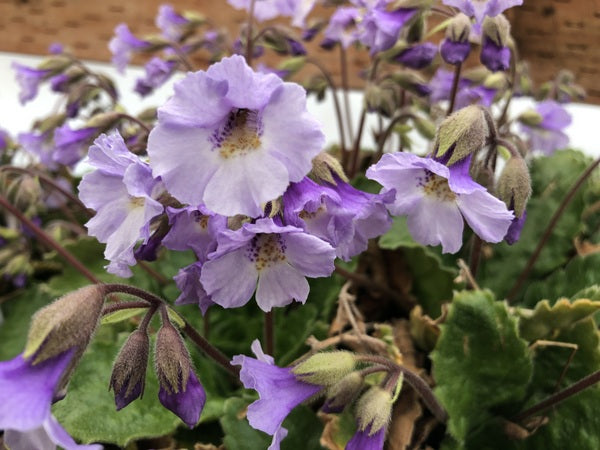
Hardy species in the Gesneriaceae or African Violet family from Greece and Bulgaria where it favors shaded rocky outcrops. Our old mama plants fill a 3 gallon pot with a packed dome of evergreen leafy rosettes that give rise to 4"-5" stems with flowers of pale lavender faces and dark corolla base. Great starter plant for newbies to hardy gesneriads and it is so rewarding that even the long-time collectors have to confess to feeling that familiar thrill when it flowers. Good drainage, excellent in north-facing crevice of rock wall.
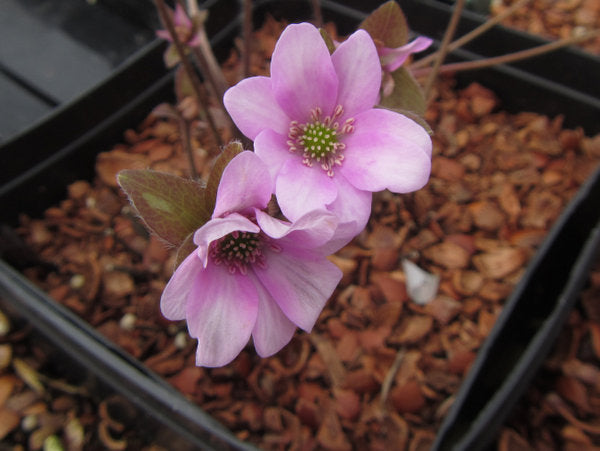
Pink flowered version of the typically blue-flowered European species. Thanks to our friend and Hepatica guru John Massey of Ashwood Nurseries for sharing seed. We have flowered these plants and they are indeed pink! Perfect in the woodland garden, very hardy and with impeccable provenance.
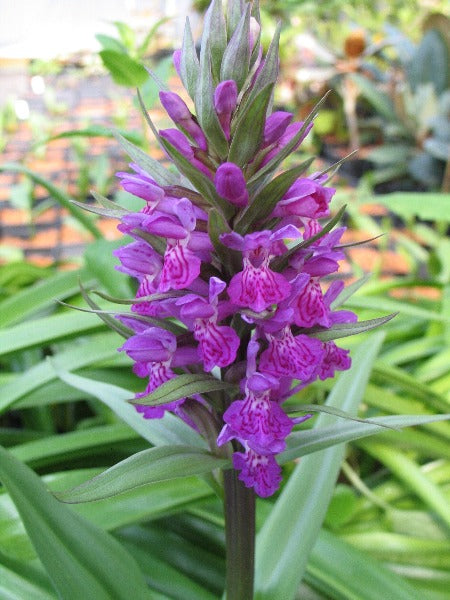
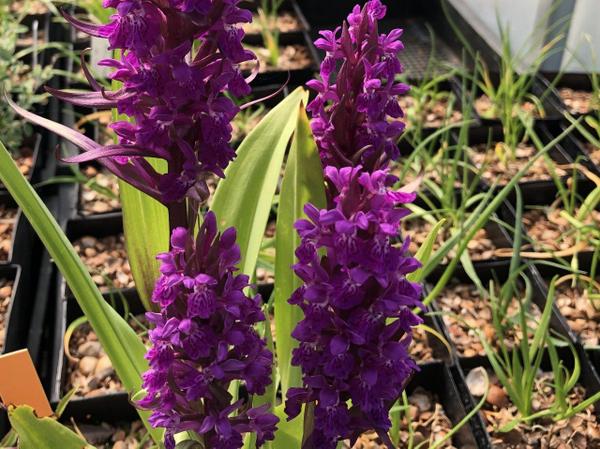
This excellent hardy orchid is one we received many years ago from our late Plant Guru, Jerry John Flintoff as Dactylorhiza incarnata subsp. africana. Well, that has been merged into D. elata and it looks right to us but we are not orchid botanists. Vigorous, with green leaves and richly colored flowers. Native to Morocco, Algeria and Tunisia in north Africa, dallying on some islands in the Med (smart orchid!) and jumping to France, Spain and Portugal up to Belgium and the Netherlands.


There really isn't anything like this - a plant with no comparables. Early spring yellow stars followed by leathery lobed green leaves in a dense low mound. It is the early yellow flowers that steal the show in part because they have so little competition and in part because they are so unique. As the season progresses, the yellow bracts turn to green and look like perfect green flowers well into summer. We did a little plant profile on this for Fine Gardening spring of 2011.

Maidenhair Spleenwort. We love common names. We must dig out our 15th century Herbal and read up on how to properly decoct this sweet little fern for afflicting humors of the spleen. Or we can just grow it in a gritty well-drained shaded rock garden and enjoy its evergreen delicate appearance which belies its rugged constitution. This little fern grows throughout the northern part of the northern hemisphere and just has a small foothold in our North Cascades. One of our favorite sights of this fern was when we did the Coast to Coast walk in northern England in the epic rainy summer of 2012 and we walked close to 200 miles through the Lakes District and Yorkshire Dales and Moors. We saw this growing everywhere naturalized on old stone walls, stone bridges and stone buildings. Very attractive and a clue to its drainage preferences.
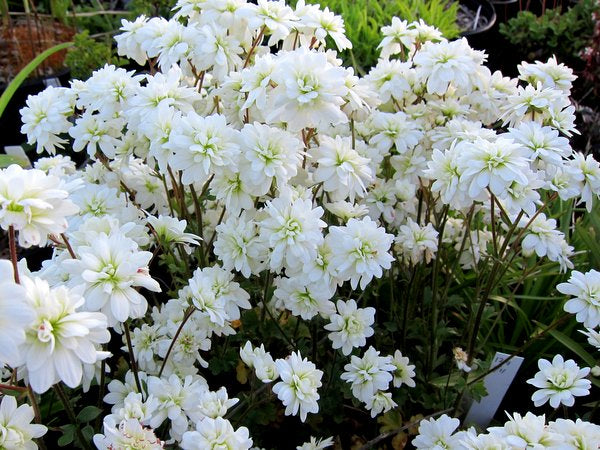
Awesome little plant with fresh winter foliage which gives way to 8"-12" tall dense stems with an improbable number of pure white double flowers. Goes summer dormant so don't panic although we still do. Cool plant native to the UK and Europe and favoring vernally wet areas.
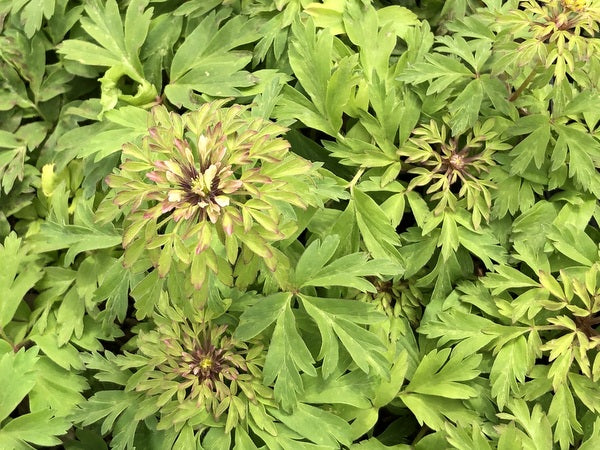
An intriguing curiosity that combines beauty with novelty. In this selection, the flower petals have become lacy green petaloid structures that are perfectly arranged to create amusing and intricate green flowers. A fun addition to the shade garden.

Lovely species in the group formerly placed in the genus Dentaria referring to their crinkled molar-like rhizomes. We do enjoy the the color of the purple-pink flowers in early spring but there is a quality of texture and sheen to the leaves that makes us consistently murmur 'I like that plant" whenever we pass by it.
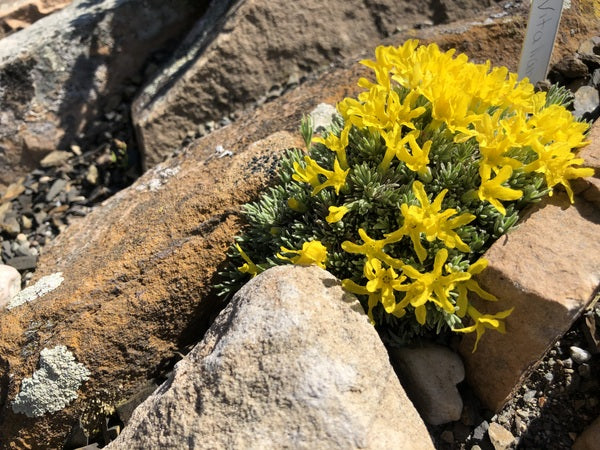
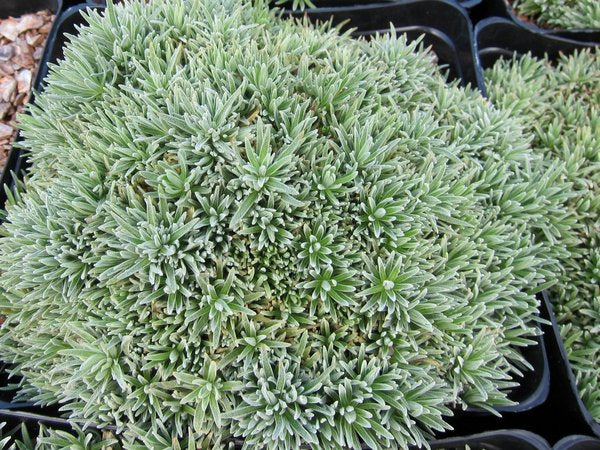
One of the good rock garden plants that is actually pretty easy to grow. Related closely to our Douglasia of the Olympics, this little jewel from the Pyrennees and Dolomites has yellow flowers nearly covering the foliage in late spring. Good drainage and not terribly dry.


No shipping to Maryland. Highly regarded in the Uk and Europe but not well known on this side of the pond but we are trying to correct that. Beautifully grown in Linda McDonald's garden which should be reason enough for anyone to grow it. Coarse and hirsute foliage to 2' with reddish flowers on 4; stems.
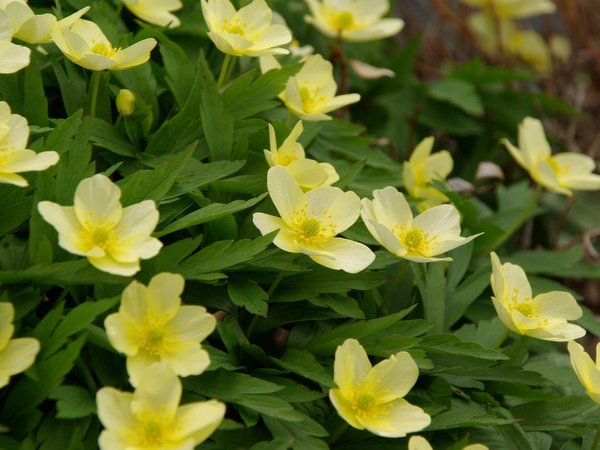
One of the quiet stars of our shade garden is this cross between rich yellow Anemone ranunculoides and white Anemone nemorosa. The result is a vigorous small scale shade loving groundcover with profuse primrose yellow flowers. Perfect as a planting under larger plants. Moist.
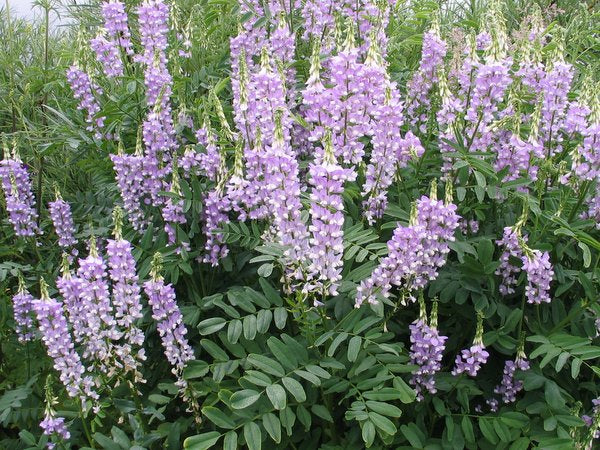
This sterile hybrid Galega is a showstopper. Named for Lady Wilson of Rievaulx who is known both as a poet and as the wife of former British Prime Minister Harold Wilson, if this plant reflects the persona of Milady then Harold was one lucky guy. This is a robust perennial making stout clumps with lots of tall sturdy stems supporting a myriad of showy blue and white pea flowers blooming its tail off the second half of summer. Great staying power and very reluctant to leave the party that is the summer border.

A close relative to Gentiana acaulis and regarded as being in the acaulis group. This is one of the forms found in the nursery trade here in the PNW which means it is a good grower. Maybe a little mongrel vigor from G. acaulis to pump up the volume on those big blue trumpet flowers above an evergreen spreading mat.
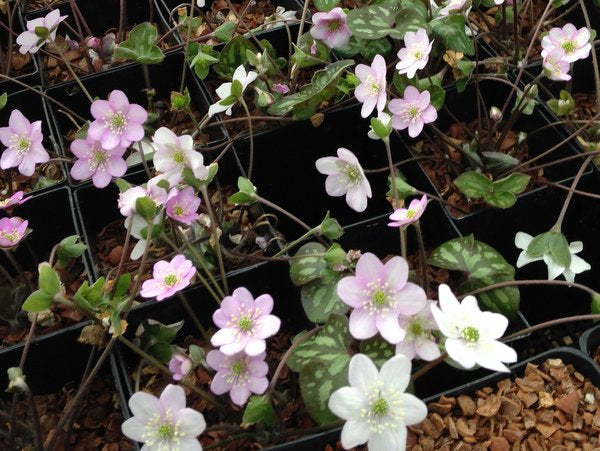
To find fault with this bit of botanical jewelry would be to put on display character defects so profound that your friends would desert you in droves while making plans for your involuntary institutional incarceration. Perfect marbled leaves subtend appleblossom pink-white flowers of larger size than typical. Shade garden pizzazz.

Spring Vetchling. One of the stars of the early spring garden, this perennial bush Pea makes a soft-textured clump with scads of lavender-pink Pea flowers. Combines well with Hellebores and Narcissus and is virtually pest-free. Low-maintenance - just cut back in fall.

Uncommon species which has an understated wowness, a gently modulated shout-out, a decorous fist-pump, a nomination for Best Supporting Perennial. While this Pea is no Peacock, it nonetheless garners ample attention with its clusters of copper-orange Pea flowers in mid to late spring which are set off nicely by the dense light green leaves. Long-lived and to our minds, choice perennial.

Excellent selection of this species in the acaulis group which has large flowers of a particularly good dark blue on long stems well, long for this species anyway. Evergreen mats in rich moist soil in full sun with main bloom in spring and some rebloom in late summer. Endangered species in its native Balkan Dinaric Alps.

One of the largest flowered selections of Gentiana acaulis, this is truly a showstopper with its big, deep blue trumpets in spring and lighter reblooms after. It may owe its vigor to hybridity but whatever the reason, we are down with it! Moist, rich soil in sun and stand back and enjoy. Gentiana acaulis 'Maxima Enzian' is likely the same as Enzian is German for Gentian.