Sort by:
1721 products
1721 products


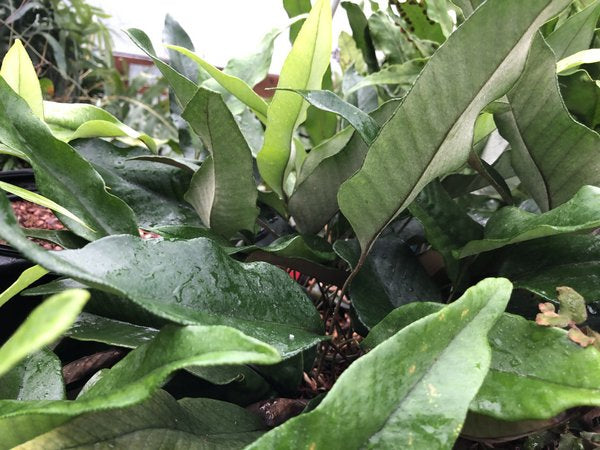
Our collection from Asia of this foremost member of one of the supreme evergreen fern genera. A great introduction to epiphytic fern growing this glossy fronted, and felt-backed tongue fern trails on thin rhizomes to cover rocks and stumps, though its equally happy in a pot. This formed an impressive colony on the bluff overlaying a partly shaded large rock slab where it would endure periods of dry. Vigorous! Good drainage is important.

This exquisite Pyrrosia was shared with us by the ever-travelling plantsman Adam Black from his own collection in Taiwan. Imagine our suprise when on a stroll through the nursery with Adam we discovered we were now the sole keeper of this and its twin collection, that is until we got the great pleasure of returning it to Adam's keeping. Conservation at work baby! Now you can join us in that great effort and hopefully if we ever suffer tragic losses you can be our backup! The species matsudae is a bit infuriating taxonomically, in appearance it is VERY similar to Pyrrosia polydactylos, though it can be distinguished by the lack of uniformity in frond lobing. Adding to the confusion some sources have inexplicably lumped it with P. davidii which having many collections of that species is very much different.
All of this probably means very little to you and you are simply drooling over the felty multi-fingered deliciousness presented outwardly, us too. This has proved hardy for us thus far in our collectors garden and wants the usual well-drained but moist, shady, preferably epiphytic situation as its brethren.
A Far Reaches Botanical Conservancy Offering
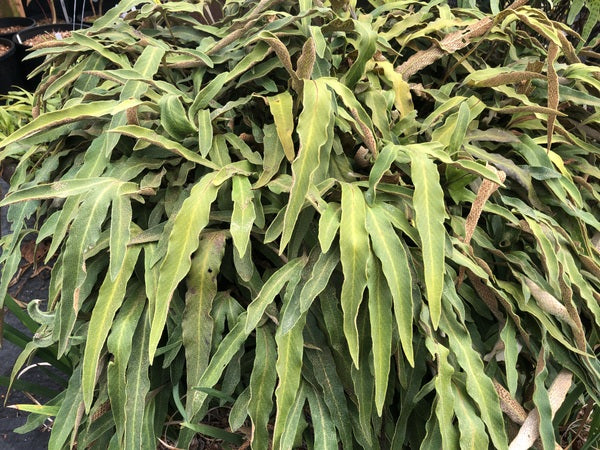
Lives up to it's common name of Felt Fern. Felty-soft, three to five-lobed fronds stay evergreen and have coppery undersides. Growing as an epiphyte in its native range, this prefers good drainage and a partly shady spot. Spreads very slowly, but definitely worth the wait. What we are selling here is a predominantly 3-lobed form that is going around incorrectly as P. hastata.


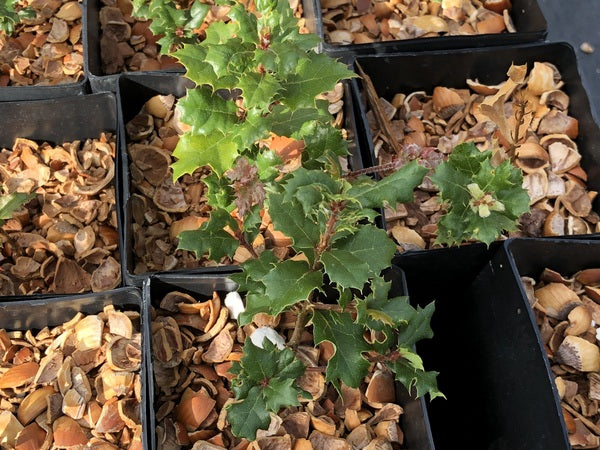
Leather Oak. Aptly named, with leathery, evergreen, almost holly-like leaves on this is serpentine endemic shrub oak native to chaparral regions of the California Coast Ranges as well as the foothills of the Sierra and San Gabriel Mountains. A FRF shout-out to the collection work of Ian Barclay of The Desert Northwest. This pairs nicely with manzanita in its native habitat, and would in your garden too. Excellent drought tolerance. Perfect for that dry or rocky spot in your garden.
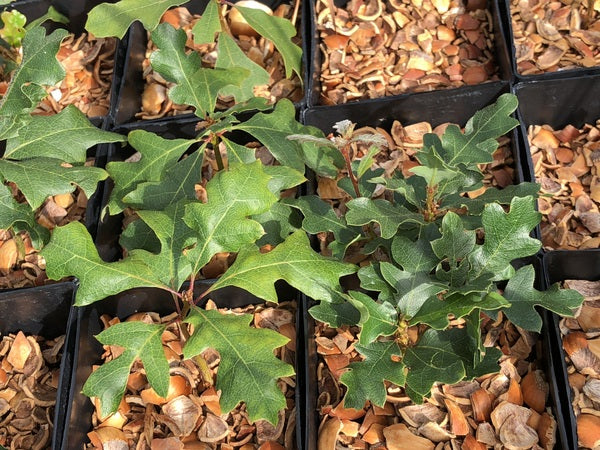
Oregon White Oak. This variety of Q. garryana hugs
the foothills of the western Sierra Nevada and southern Oregon. In its native
poor, rocky soils this becomes a multi-stemmed shrub or small tree to 20
ft. Deciduous and drought tolerant. Another excellent Oak we're able to offer
thanks to Ian Barclay of The Desert Northwest.
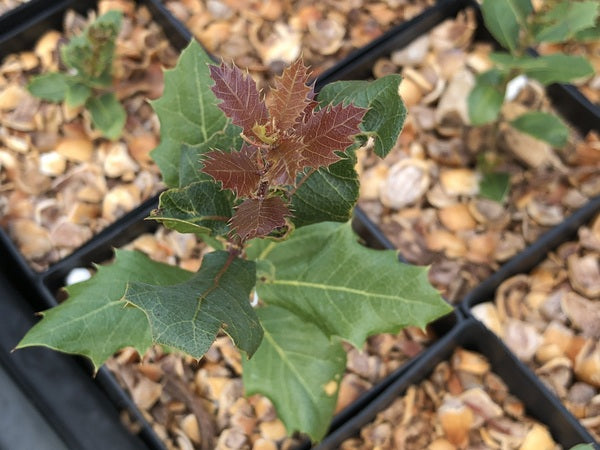
Interior Live Oak. Broadly distributed throughout
California, from the coast to the foothills of the Sierras, this species is highly
adapted to dry conditions. Evergreen, with leathery, rich green and shallowly
toothed leaves. Thanks to xeric plant guru Ian Barclay of The Desert Northwest for sharing his acorn collections.

Epling's Oak. Hybrid of Quercus douglasii and Q. garryana, known from only a very few locations in California. This
forms a deciduous, multi-stemmed large shrub to small tree, 20'-30' tall with
time. Beautiful blue-green leaves color in fall. Deciduous. Grown from acorns collected by Ian Barclay of The Desert Northwest.


What do an alpine Gesneriad and G.O.A.T tennis player Novak Djokovic? Well they are both national symbols of Serbia and also show a remarkable propensity to bounce back when they are all but counted out of continued life. In Ramonda's case this means it can be almost completely dehydrated and still recover to full vigor making it a great crevice or rock garden subject. We don't have much point of comparison to the claims of elephantine proportions on this particular clone we brought over from the UK but we do know that the ruffled leaves and bright purple flowers bring us outsize joy.
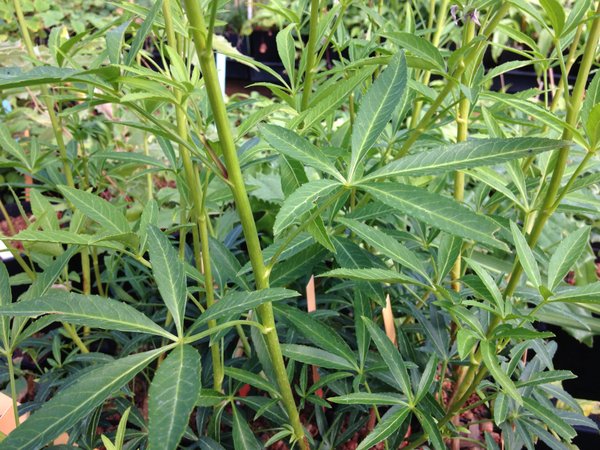
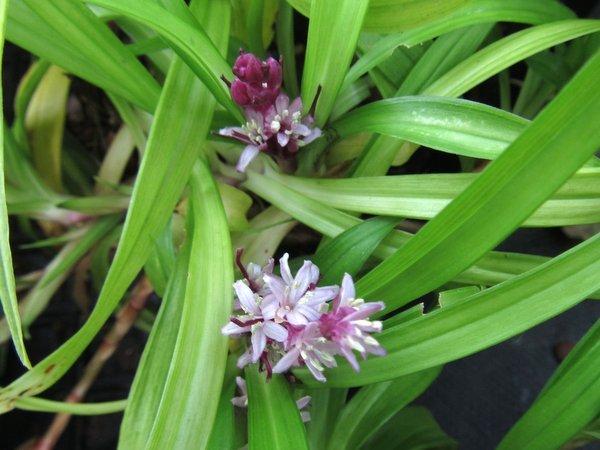
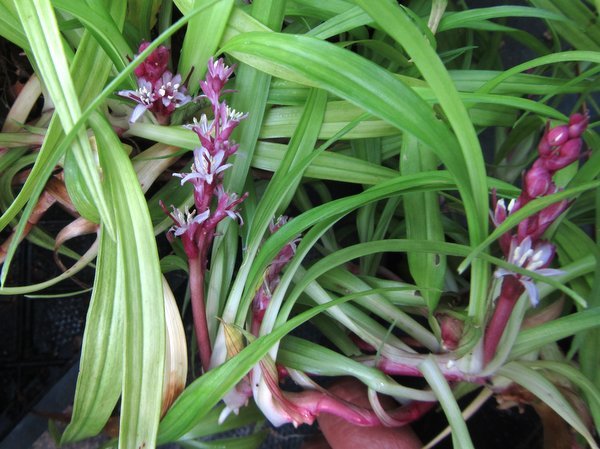


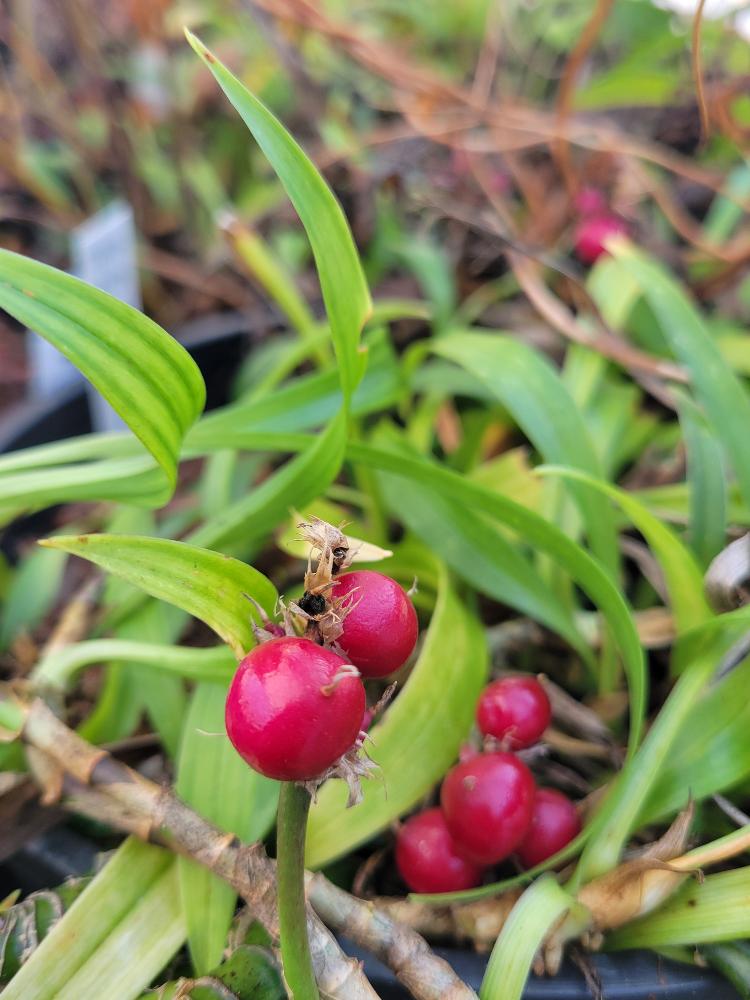
A Darrell Probst collection of this classic Chinese evergreen groundcover which sends Kelly into defensive throes of passionate oration when ne'er do well gardeners question its place. Little candles of pink and white flowers held by the arched creeping candelabra stems which are then followed by glossy red baubles that would be fabulous as miniature ornaments. Let the Christmas reign of holly end and the new dawn of Reineckea begin.


Knockoffs are there for you when you need that Gucci look but aint got that Gucci money. Similarly Remusatia is there for you when you want that Colocasia look but aint got that Colocasia climate. Any aroid we can experiment with growing in good-old fashioned earth outside is a win in our book and the elephant-ear leaves with variable purple undersides definitely bring that Tropical flavor even if they can't rival their tender relatives in size. You're mainly growing for foliage but the creamy white and yellow aroid flowers are a treat when they appear. Even given the tougher backstory those in less mild climates are likely still stuck with pot culture/winter digging but give them somewhere warm and they will run to form your own little jungle.

Have you also found yourself wondering if Tibetan monks eat strawberry rhubarb pie? When you discover the myriad amazing Rhubarb species that dot the Himalaya its a natural next query. If they do I wonder how they cope with the intricacies of high-elevation baking....Well one thing is for sure they aren't using this species, though it used as a highly valued medicinal for a range of ailments. So valued in fact that there may be cause for conservation concern. So do your part and grow this beauty in the back yard (and treat your bellyaches while you're at it?), huge ruffled dark green leaves form a clump that can get upwards of 5ft tall and wide. The plumes of white flowers aren't bad either. Not for those in the hot humidity of the deep South, unlike strawberry-rhubarb pie.