Search results
217 results
Search results

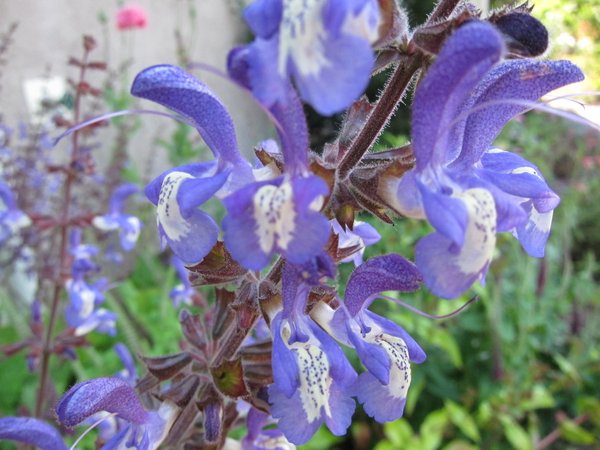
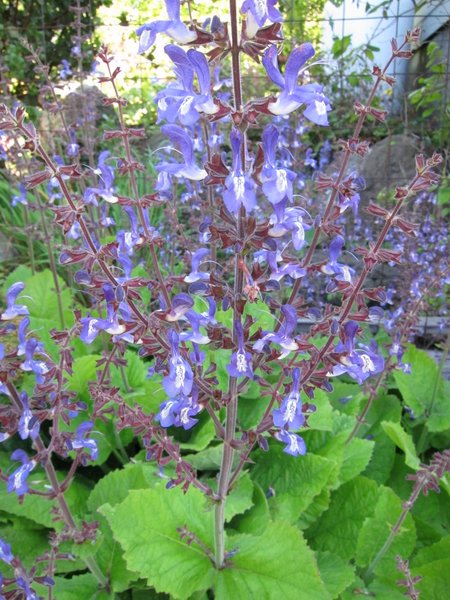
A Cody Hinchliff wild collection of this long-blooming Arizonan salvia. The long wait to see what species this would be when it flowered was well rewarded with white centered indigo flowers ensconced by particularly dark calyces that received unanimous approval from the staff. Extremely hardy, to at least zone 6, and with all the usual benefits of sage, pollinator magnet, drought tolerant, deer resistant, fragrant foliage etc.
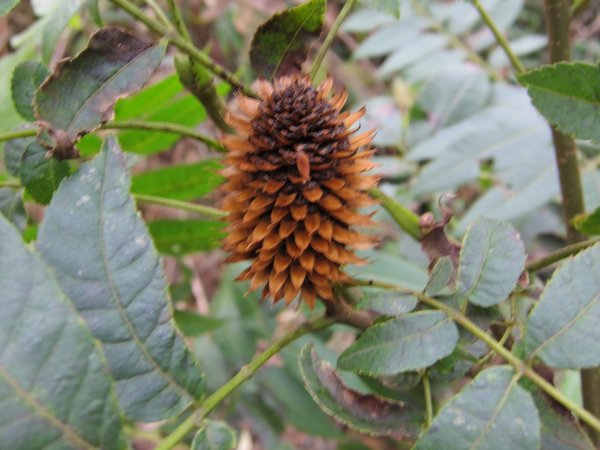
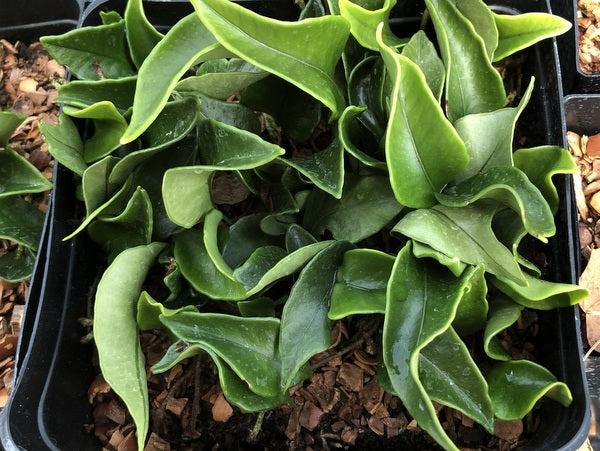
Fern fans we are, fern experts we are not, but we continue to chip away at the imposing taxonomic massif of Pteridophyta in hopes of becoming somewhat conversational in Fern. Currently, we can ask the equivalent of where the restroom is and order beer when talking Asian ferns. This is a creeping fern with long, thin rhizomes ideally suited for weaving through shallow moss on shaded rock faces with small orbicular-ovate evergreen leaves. This has been extremely hardy for us for years in our shade garden, and should fare well in lower zones as well given that Acer griseum was growing nearby.
(Apologies for the second change in species, the limits of species in this group of Lepisorus aren't fully clear, and L. pyriformis having been only recently published is not included in the Flora of China though it fits better than the previously used L. rostratus)


This is the Award of Garden Merit form of the species which has a superior presentation in its fronds which are blessed with a long terminal pinnae. And really, who doesn't want a long terminal pinnae? The typical species is a familiar sight growing on the trunks of our native Bigleaf Maples here in western Washington but this form is rare.
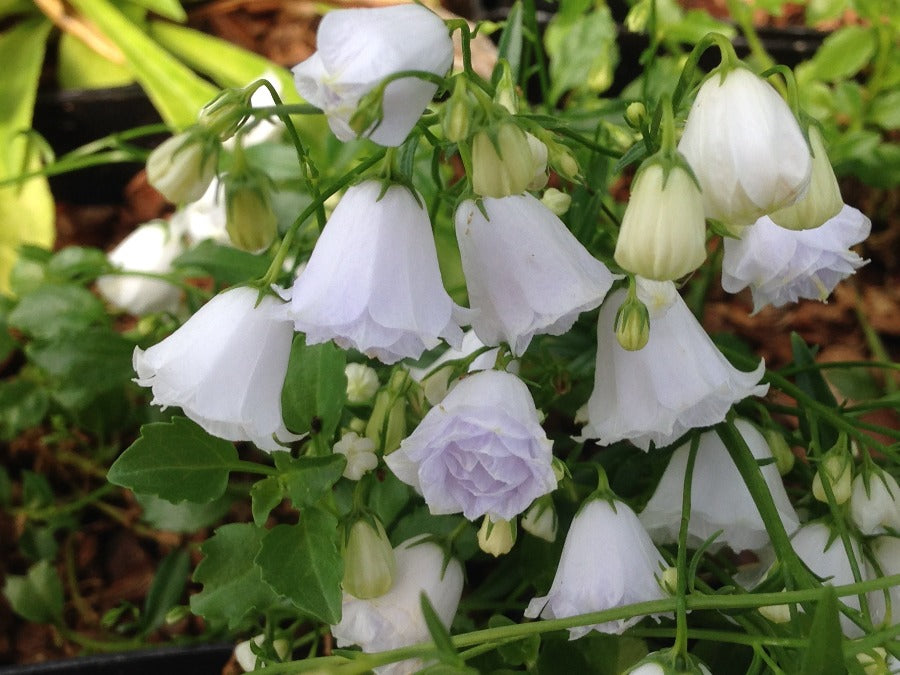


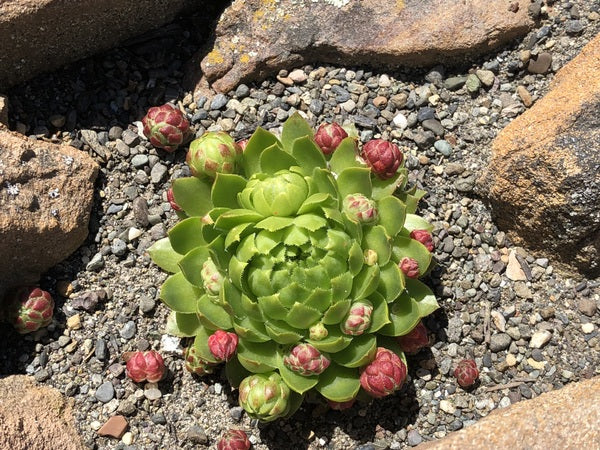
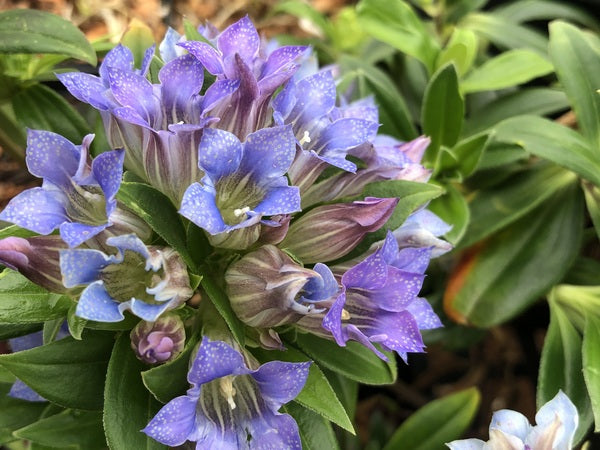
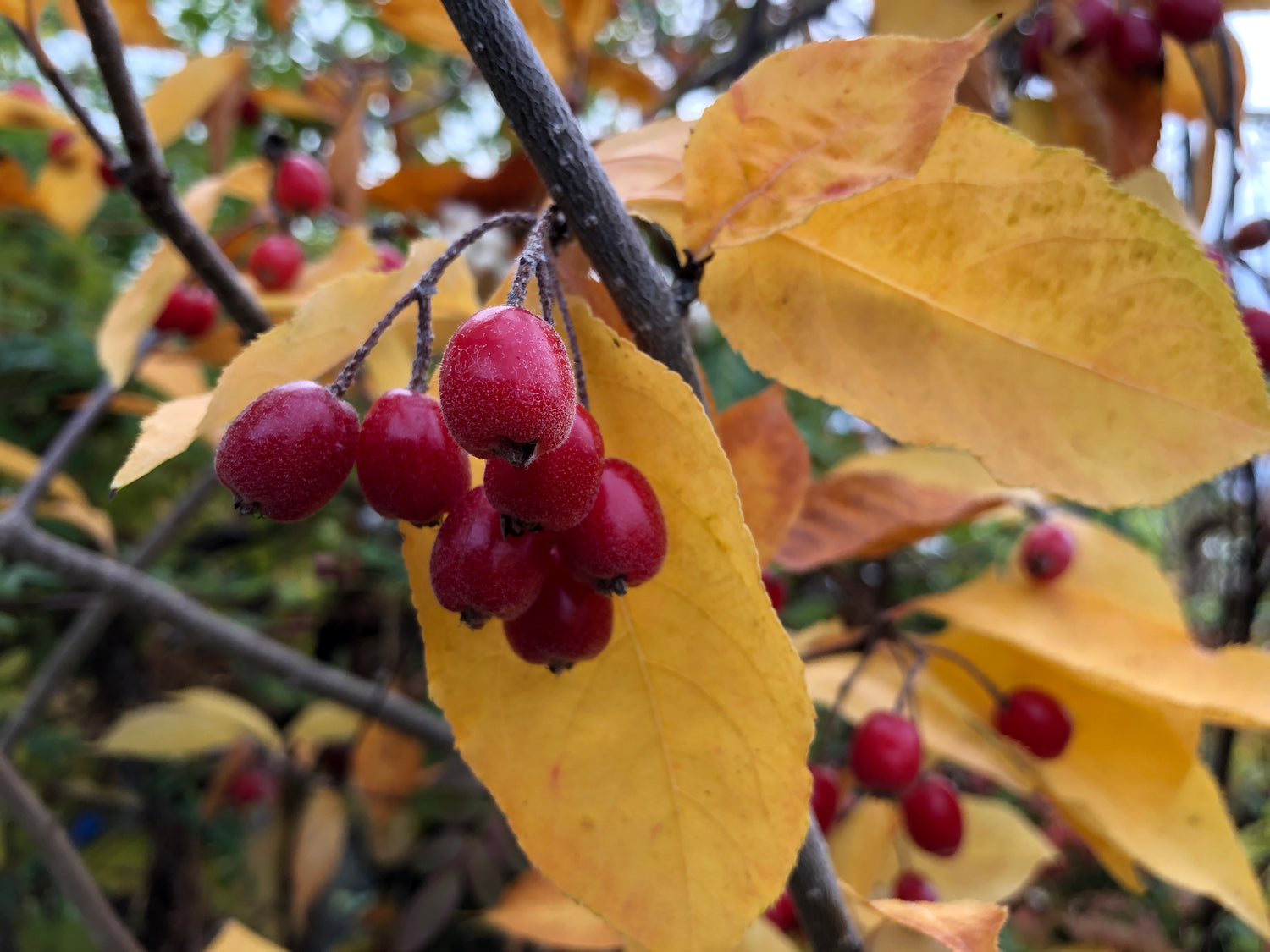

The deciduous Photinia beauverdiana is a loose-limbed, sinuous presence in the garden. White flowers are followed by showy clusters of orange-red fruit which hold their position long enough for a slam dunk combination with the autumnal yellow of the leaves. Kelly was standing on a sloped mossy rock stretching to collect a fruit of this for a friend when he fell, holding the fruit safely aloft rather than using his hand to break his fall, and cracked a rib. From that day on, he has trash-talked this graceful species as "That phucking Photinia". A well-loved punchline lost to its taxonomic repositioning into Pourthiaea, well those 'Pour' taxonomists are just gonna have to suck it up cause we give everything for the bit here.

A. villosa is widely grown in the rock garden world and widely distributed in the world at large. This variety however is something a little more uncommon, and with the distinction amidst other varieties of being stoloniferous, reaching out red hairy tendrils tipped by a colonial rosette produced by the mothership. This sort of imperial behavior is rightly shunned in modern geopolitics, but quite welcome in the garden. This is particularly true when each silver fuzzy rosette which composes the expanding territorial mat produces it profusion of hot pink, yellow-eyed flowers. A great beginner rock or crevice garden plant which is easily shared or divided and spread around.

Yet another venerable member of the legion of incredible South African bulbs. This one likes it arid and with as little frost as can be managed, but it isn't uncommon to see them in pot culture among xeric specialists, just bring them indoors when they are in their winter dormancy. Incredibly uniquely textured leaves ridged and bumpy like an exotic lizard in muted tones of purple-brown. The flowers provide quite the contrast to the dour prehistoric foliage, happy little candelabras of candy-floss pink!