58 products
Sort by:
58 products
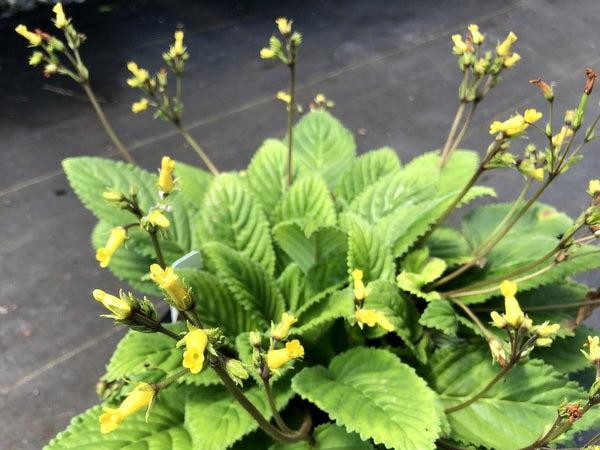


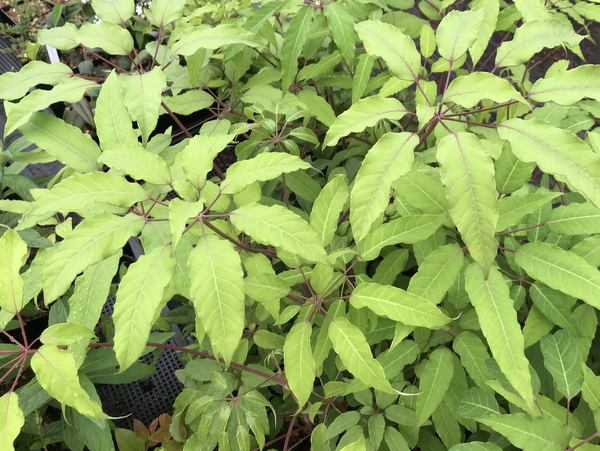
Perhaps the most attractive of the many Scheffleras we grow with its dusty pinkish-purple petioles and multiple tiers of leaflets (unusually good floral display as well from which one assumes it takes its name). This combined with the usual jurassic looking stems and graceful chandelier canopy that attracts us so hopelessly to the genus is almost too much to bear. This is easily evidenced by our insistence on toting in and out of the greenhouse each year a massive display pot housing one of these handsome beasts. These are seed-grown from our plants from the recent first North American introduction.
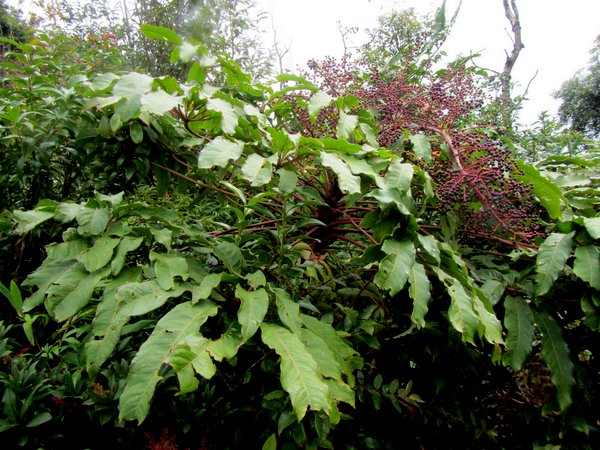


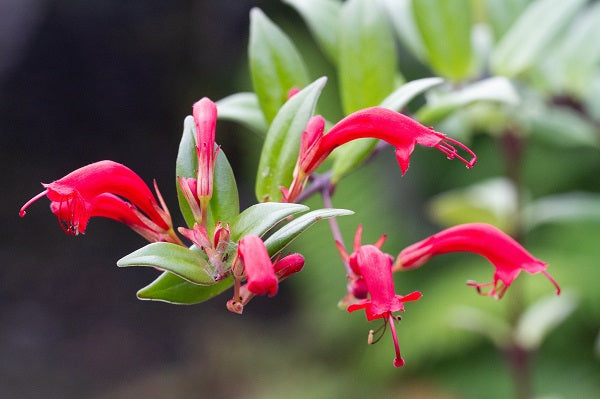
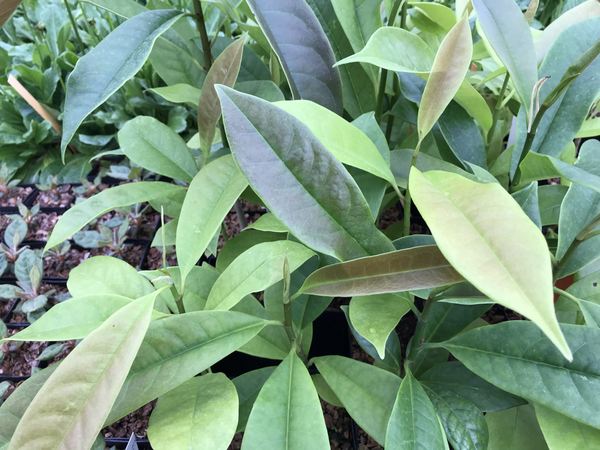


Our collection from Vietnam of this fascinating epiphytic genus. This was growing on a tree trunk on a small limestone ridge populated by a mix of frost-tolerant and frost-intolerant species. The hardiness of this remains to be tested here - maybe a warm zone 8b? - it made it through the admittedly mild first winter here so at least some frost hardiness. Excellent drainage is likely key to improved hardiness and ours is in a tufa wall. Spreads by creeping rhizomes and has dimorphic leaves with persistent basal fronds and fertile foliage fronds though only the latter have been produced on ours thus far.


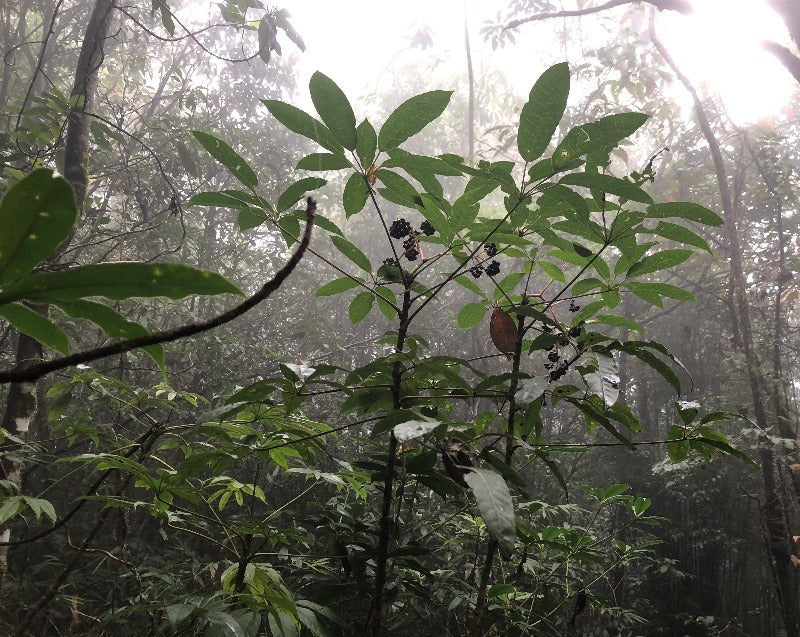
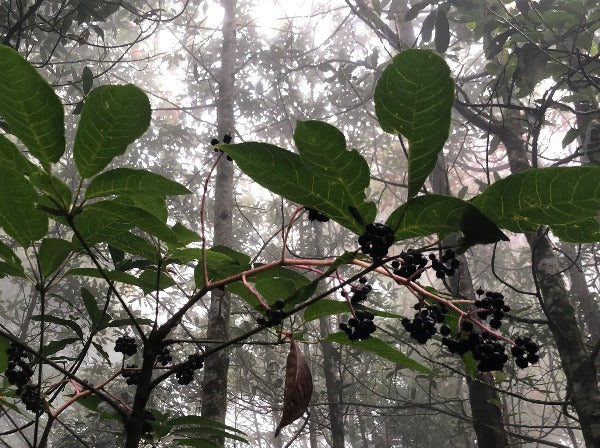
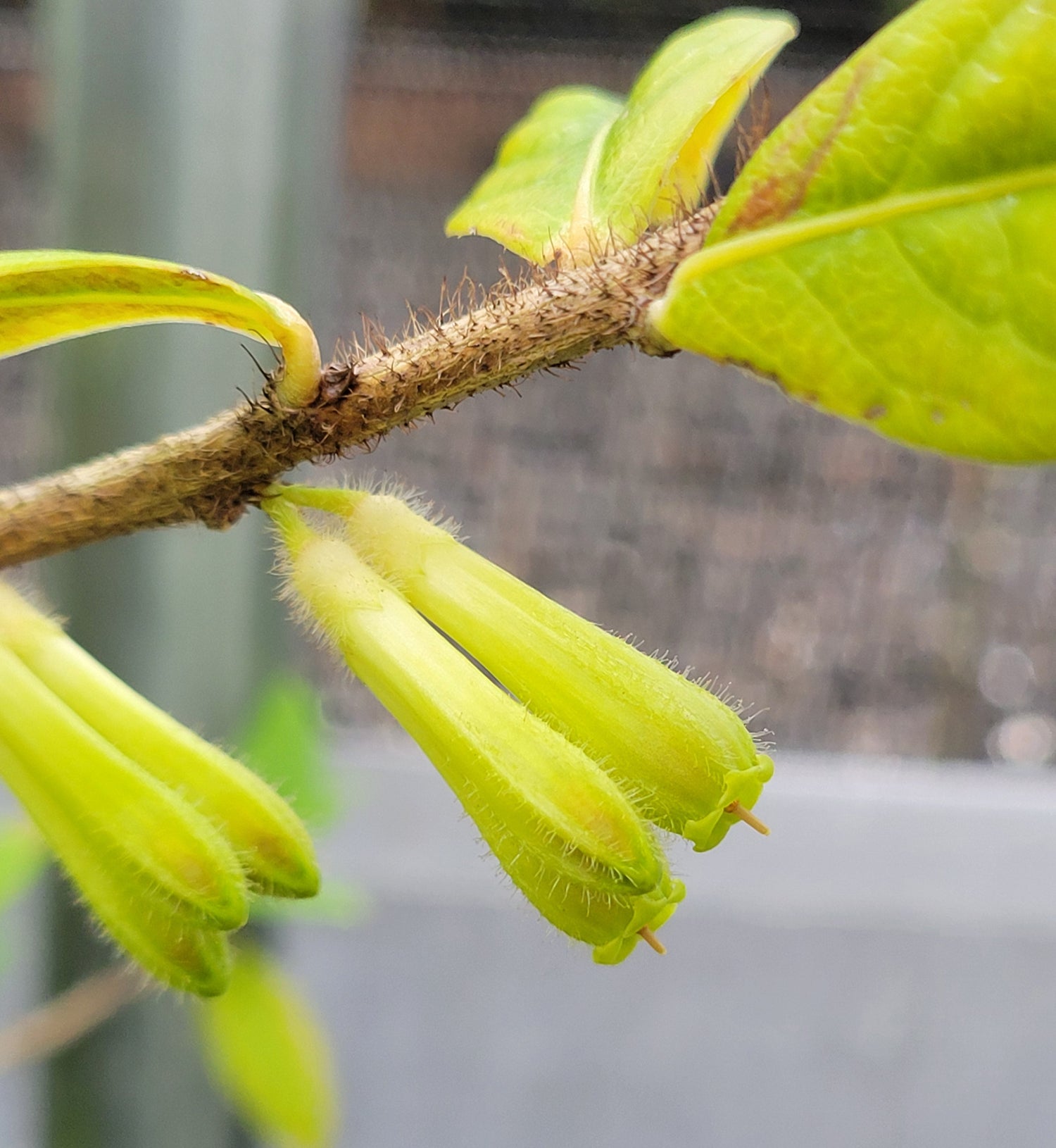
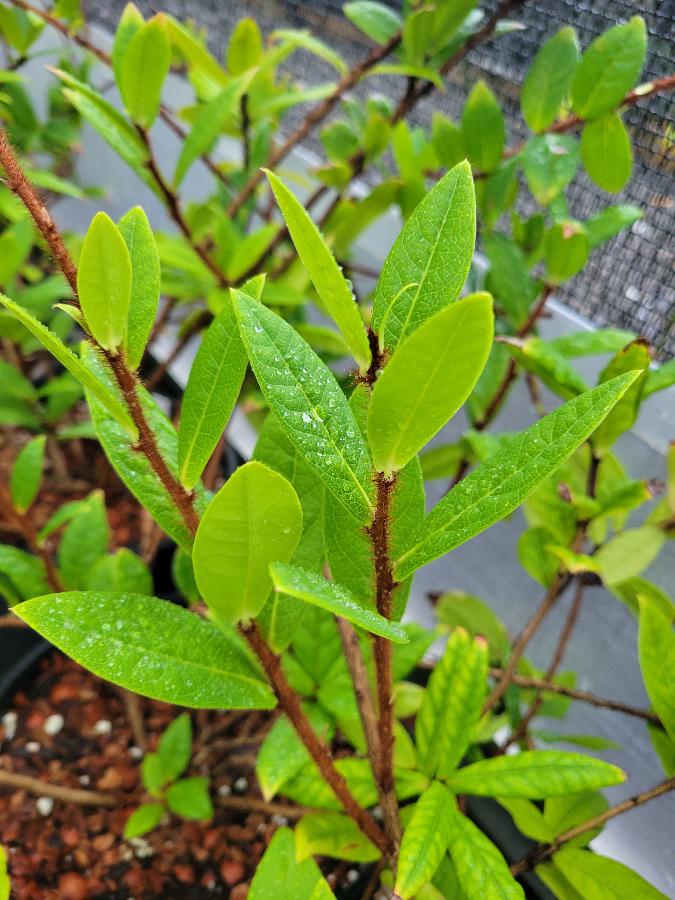
As Cousin Itt is to the Addams family Agapetes malipoensis is to the Agapetes genus, a freak even among freaks. In a genus full of mind boggling fruits and flowers, the slender yellow-white tubes covered in white fuzz put out by these fellas is sure to delight those that find charisma in cretinous things with inexplicably devoted fanbases. Our collection from mountainous North Vietnam as yet untrialled for hardiness though the species has been grown outside at the Rhody garden.