92 products
Sort by:
92 products
Seed-grown from the plants we grew from our collection in 2003. This species had been lost to cultivation due to garden hybridization so this reintroduction was quite important in the blue poppy world. These have been better than many at remaining perennial after flowering in all of their inky-blueness. Will not grow in hot climates, warm humid climates, warm humid nights, sun, clay, sand, dry, root competition, warm winters etc. so northern tier states, coastal West Coast or colder mountain areas. While we find them no more difficult than a primrose to grow, folks insist on trying them in Texas, Maryland, Kansas, or worse, indoors.
{
Alpine.store('xUpdateVariantQuanity').updateQuantity('template--27468503023898__product-grid', '/products/meconopsis-gakyidiana-nape-193');
});">
Fantastic Roscoea only discovered in the 1980's in Nepal and still scarce as hen's teeth in the nursery trade and always commanding very high prices. Why is this so good? It represents a color break in Roscoea with large red flowers which resemble some exotic orchid except this is easier to grow! It's a show-off plant for sure. In the trade as 'Red Gurkha' but recent nomenclature based on determining that this represents a naturally occurring variation of the species in stable wild populations in Nepal eliminates the perfect clonal name which everyone is still going to use.
{
Alpine.store('xUpdateVariantQuanity').updateQuantity('template--27468503023898__product-grid', '/products/roscoea-purpurea-f-rubra-syn-red-gurkha');
});">
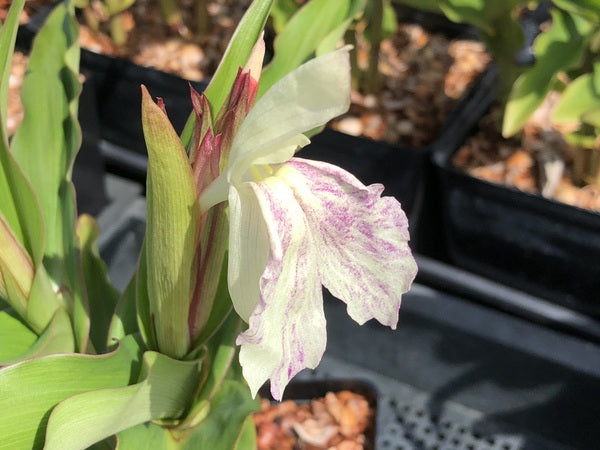
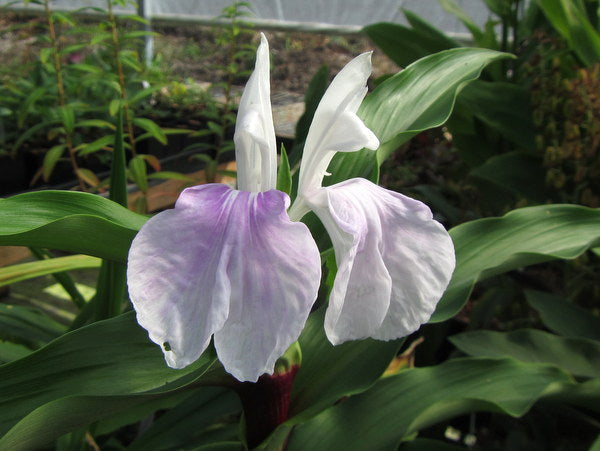
We are quite pleased with ourselves for collecting seed of this desireable and scarce variant in the eastern Sino-Himalaya. This hardy Ginger relative has large flowers with white dorsal petals and a broad white labellum liberally washed in violet. Very plant-nerd worthy as well as being just a beautiful addition to the garden.
{
Alpine.store('xUpdateVariantQuanity').updateQuantity('template--27468503023898__product-grid', '/products/roscoea-purpurea-f-alba-nape-239');
});">
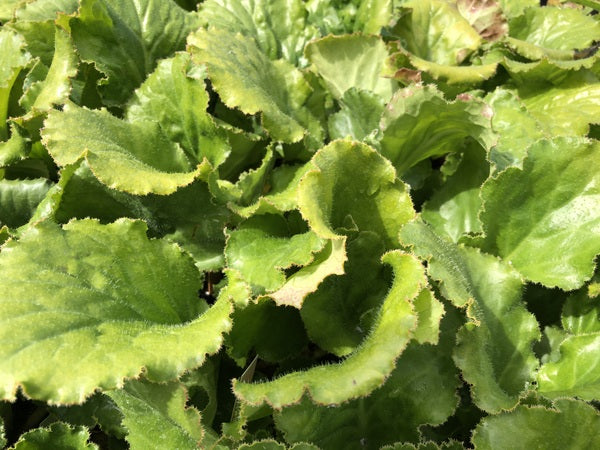
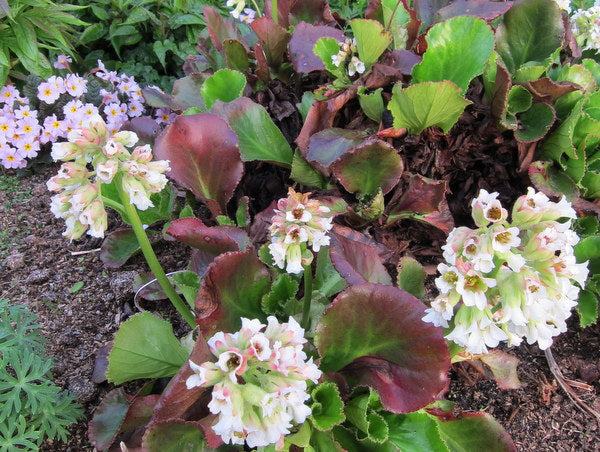
A very distinct form of this species which was collected in Nepal by Tony Schilling and shared with us by David Mason of Hedgerows Nursery. A good spreader rather than a clumper, the rounded ping-pong paddle leaves offer much as a small-scale groundcover. White to tinged pink flowers in early summer. Deciduous to semi-deciduous, we are inordinately fond of this collection and have it planted at the entrance to our shade garden. This particular collection is quite rare in the trade. Tony used to be the director at Wakehurst and David was deputy director so the chain of provenance custody is just how we like it.
{
Alpine.store('xUpdateVariantQuanity').updateQuantity('template--27468503023898__product-grid', '/products/bergenia-ciliata-var-ciliata');
});">
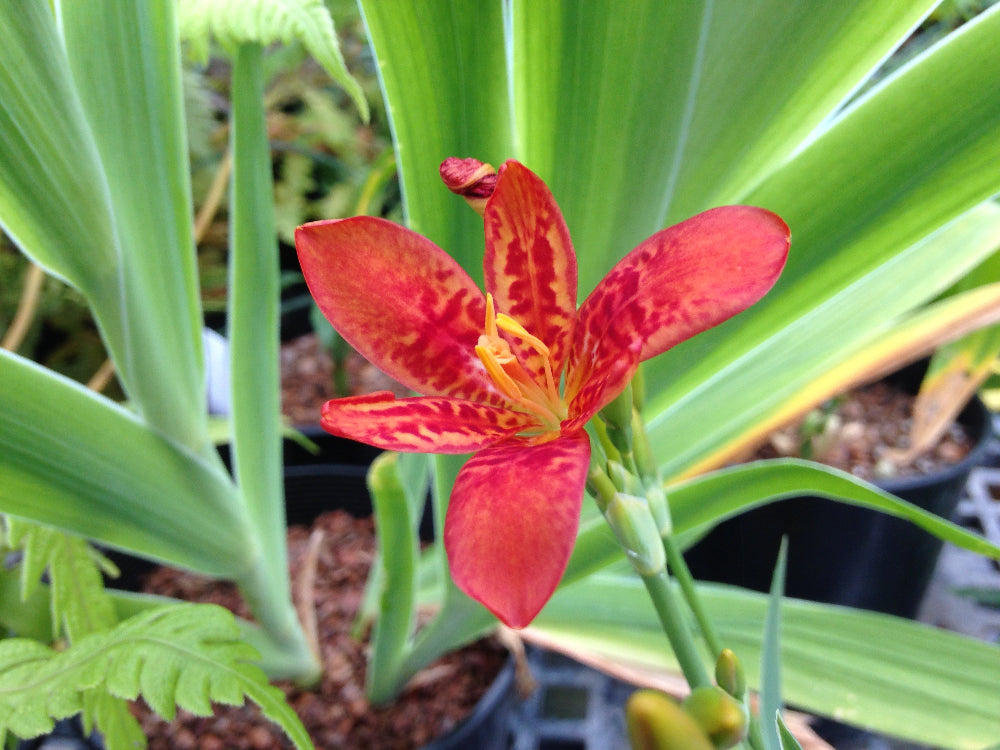
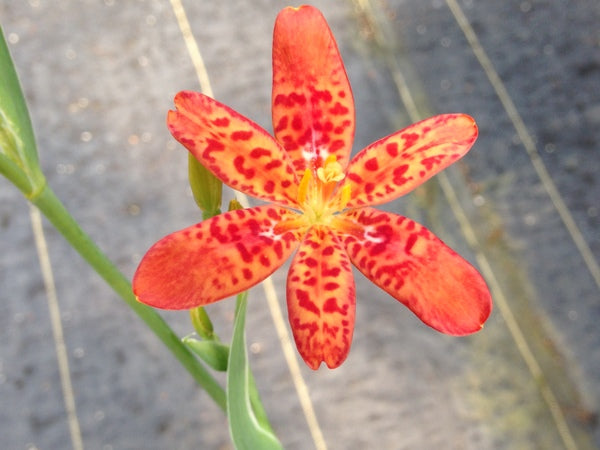
Blackberry Lily. Our collection of this extremely widespread Asian species which not only has attractive deep orange flowers that are overlaid in a plethora of red spots but also the seed is curiously attractive looking for all the world like a large blackberry. This has wide application in traditional Chinese medicine and our collection is likely an escapee from the local mountain village.
{
Alpine.store('xUpdateVariantQuanity').updateQuantity('template--27468503023898__product-grid', '/products/iris-domestica-syn-belamcanda-chinensis-md-15-98');
});">
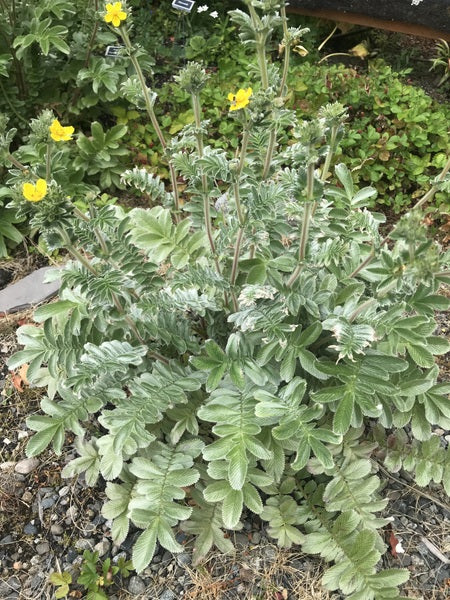
Also found as Potentilla lineata. We originally received seed of this back in the 90's from a Chris Chadwell collection in Nepal. An exceptional foliage plant with long silken silvery leaves and tall loosely arrayed yellow flowers in early summer, which we have offered in the past simply as Potentilla sp. This was misidentified by another nursery in the area as P. gelida and as a result, is in the trade here as P. gelida which is unfortunate as it bears little similarity to this ornamentally uninteresting species. Then to make matters more complicated P. lineata recently became Argentina lineata nonetheless it is one of our favorite herbaceous Potentilla-like plants which Chris ID'd for us here in the summer of 2013.
{
Alpine.store('xUpdateVariantQuanity').updateQuantity('template--27468503023898__product-grid', '/products/potentilla-lineata');
});">
We're wild about Roscoeas which we think gives you the floral abandon and exotic appeal of an orchid with a fraction of the cost and difficulty. One of the hardy ginger clan from the Indian Himalaya. These like a woodsy soil that drains yet stays moist. Easy and rewarding.
{
Alpine.store('xUpdateVariantQuanity').updateQuantity('template--27468503023898__product-grid', '/products/roscoea-auriculata-good-form');
});">
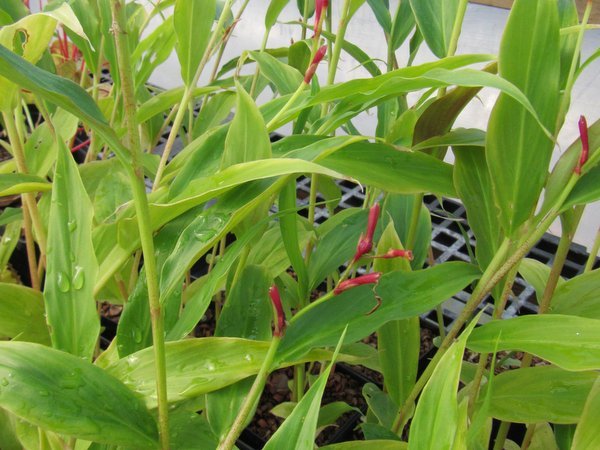
Offering from division of this excellent selection by our friends at Crug Farm who collected this in Nepal while plant-hunting with Dan Hinkley and Jamaica Kincaid. The species is typically very robust and stout and this is no exception with green leaves and a red pseudostem. The white flowers with a light lavender wash are a nice departure from the norm. This does not like warm night-time temps and hot, muggy humidity - it's from the mountains after all.
{
Alpine.store('xUpdateVariantQuanity').updateQuantity('template--27468503023898__product-grid', '/products/roscoea-purpurea-vannin-hwjk2406');
});">
We've seen this wee gem in both Bhutan and Sichuan at high elevations at 12000' where it mingles in alpine meadows. Open-faced lavender pink flowers at ground level followed closely by foliage just a few inches high. Easy in the garden. Who would suspect it's a Solomon's Seal?
{
Alpine.store('xUpdateVariantQuanity').updateQuantity('template--27468503023898__product-grid', '/products/polygonatum-hookeri');
});">
Seedlings of this Drumstick Primrose from a red or "Rubin" flowered selection which will undoubtedly be all over the map in flower color as long as that map runs from point blue to point red since we cleverly have this growing near a blue denticulata. The older we get, the more we know and the less able to act on it apparently! Pedigree aside, these bastard children will easily become accepted members of the garden's upper crust through sheer perseverance and irrefutable beauty.. If yours turns out red, feel free to call it 'Rubin Selection'.
{
Alpine.store('xUpdateVariantQuanity').updateQuantity('template--27468503023898__product-grid', '/products/primula-denticulata-mixed-colors');
});">
Chinese version of this species which gets into the Himalaya as we've seen in Arunachal Pradesh. Softly banded in mocha as the new green leaves emerge, the white flowers show nicely below the expanding leaves. Late summer, round orange fruit appears. A different collection from what we've offered previously.
{
Alpine.store('xUpdateVariantQuanity').updateQuantity('template--27468503023898__product-grid', '/products/podophyllum-aurantiocaule-ex-china');
});">
Seldom offered species and one we had the privilege to see in a very remote area in western Arunachal Pradesh in 2003. Well, Sue saw it as Kelly was confined to bed violently ill and missing this remains one of his great regrets. This originated from friend and plant legend Peter Cox of Glendoick. Pink to white flowers.
{
Alpine.store('xUpdateVariantQuanity').updateQuantity('template--27468503023898__product-grid', '/products/podophyllum-aurantiocaule-dysosma');
});">
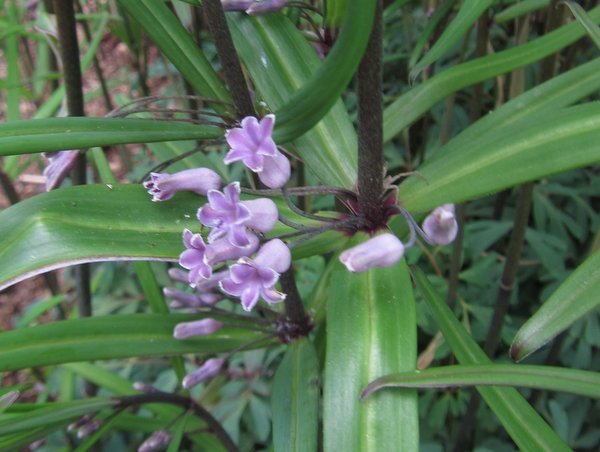
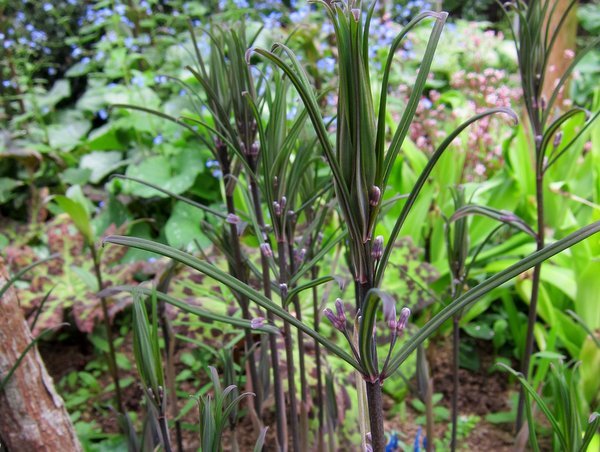
One of our favorites, this came to us years ago from Washfield Nursery in England as Polygonatum geminiflorum but according to Polygonatum expert Aaron Floden, this does not match recent collections of Polygonatum geminiflorum by Ron McBeath and our plant and is actually P. singalilense. This species hails from the Singalila Ridge area which runs from Nepal west and north to the Darjeeling area and up into Sikkim. This slowly but steadily makes a nice clump with the leaves arranged in whorls which are wider than typical for the more familiar whorled species. The subtle bit of elegance that sends us is the small maroon shading at the leaf axil. It sounds silly but style is so often in the accessories.
{
Alpine.store('xUpdateVariantQuanity').updateQuantity('template--27468503023898__product-grid', '/products/polygonatum-singalilense-previously-offered-as-cf-geminiflorum');
});">
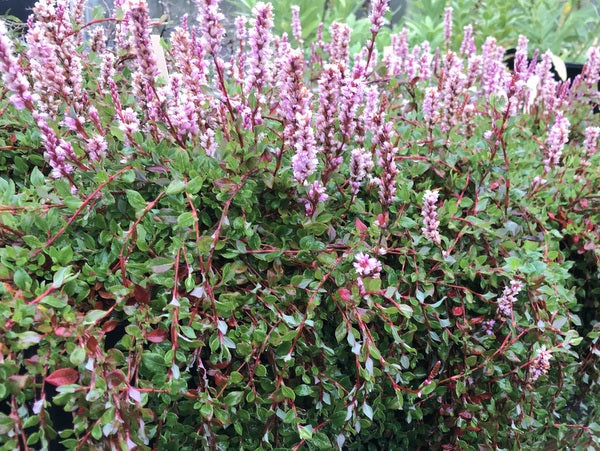
Rock Knotweed. A choice mounding groundcover we got at one of the best alpine plant nurseries on the planet, Aberconwy Nursery in Wales. Dense trailing and mounding red stems lavishly adorned with Aug-Sept spires of pink flowers and glossily petite deciduous leaves. Lovely spiller in containers. Probably hardier than the zone 7b we know to be true.
{
Alpine.store('xUpdateVariantQuanity').updateQuantity('template--27468503023898__product-grid', '/products/bistorta-vacciniifolia-syn-persicaria');
});">
A true Ginger relative, this is a vigorous and hardy hybrid between R. auriculata and R. cautleyoides and is a wonderful fusing of all that is good in both parents unlike me who got the short round gene. Stout tanned foliage with large variably purple streaked flowers in shades of cream.
{
Alpine.store('xUpdateVariantQuanity').updateQuantity('template--27468503023898__product-grid', '/products/roscoea-x-beesiana');
});">
A hardy Ginger relative from our seed collection just a long days drive from the Tibetan border. Narrow petals of white and peach are floral whimsy and always manage to coax a smile out of us. The unscented flowers compensate for that lack by having one of the showiest seed displays in the genus. This collection seems to be distinctly shorter than other forms of spicatum we grow. Mulch in winter.
{
Alpine.store('xUpdateVariantQuanity').updateQuantity('template--27468503023898__product-grid', '/products/hedychium-spicatum-nape-119');
});">
Neat species widely distributed from Thailand to China and into the Himalaya to Bhutan. This has stout stems that can reach 4' on old large bulbs with many leaflets arrayed like the spokes of an umbrella. Large green flowers often tinged with purple followed by red fruit. With such a broad range, there is variation in the species but a constant seems to be consistently good growers in the garden. Ours often don't appear above ground until early June so be patient! These are medium-sized bulbs and yes, we agree with you that we should have these sized by centimeters.
{
Alpine.store('xUpdateVariantQuanity').updateQuantity('template--27468503023898__product-grid', '/products/arisaema-consanguineum');
});">
Plants from wild seed of this Himalayan Bergenia species that we seem incapable of having too many different collections of. Its easy to see why when the red flushed new leaves arrive. Those leaves are smaller than other species and form a nice low mat with dark pink flowers in the Spring.
{
Alpine.store('xUpdateVariantQuanity').updateQuantity('template--27468503023898__product-grid', '/products/bergenia-purpurascens-40nh');
});">
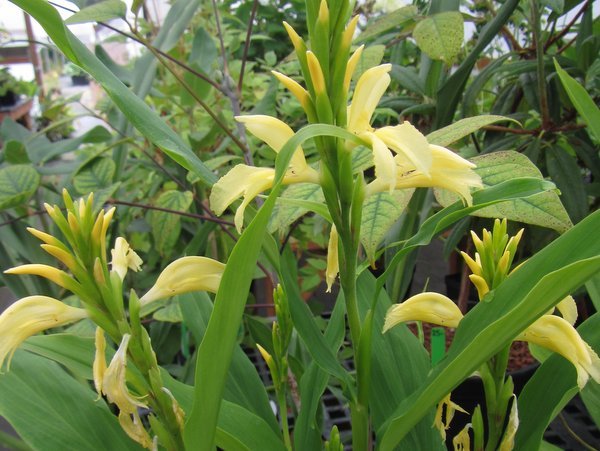
Cool member of the true Ginger family, this has torches of soft yellow flowers held above the corn-like foliage. Blooms reliably here unlike a lot of it's kin and we see flowers in July to August in our shade garden. Adds an easy tropical look. This is sometimes seen offered as C. lutea and C. gracilis. Rich soil that stays moist but isn't mucky or waterlogged. Likes a looser. airy soil and best to mulch in fall. A very easy plant which will self-sow when happy which in turn makes us happy.
{
Alpine.store('xUpdateVariantQuanity').updateQuantity('template--27468503023898__product-grid', '/products/cautleya-cathcartii-soft-yellow');
});">
We always think of this as an easy and affordable substitute for orchids as the flowers are reminiscent. In the ginger family, this is easy Asian tuberous plant can be grown in part sun to light shade. It will get a foot or more high and will have a succession of showy purple-pink flowers and clump quickly.
{
Alpine.store('xUpdateVariantQuanity').updateQuantity('template--27468503023898__product-grid', '/products/roscoea-purpurea');
});">