58 products
Sort by:
58 products

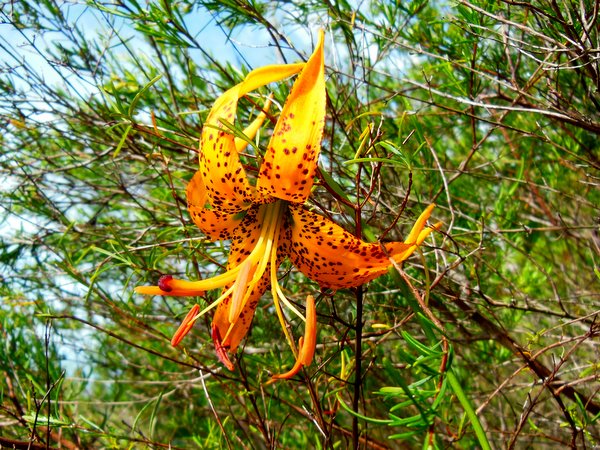
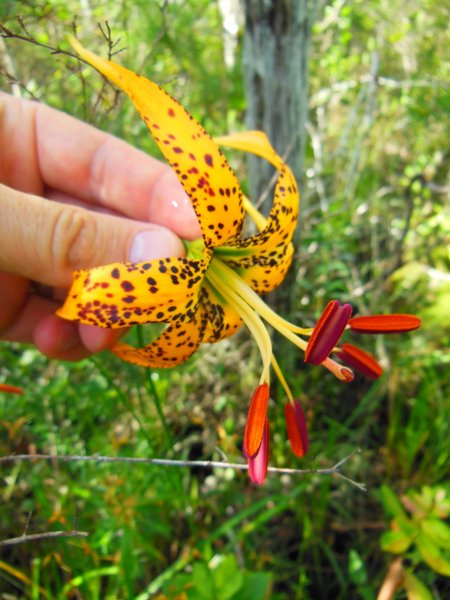
Extremely rare lily native to just a few sites in the southeastern US and discovered by Mary Henry in 1940. She found this growing in the Florida panhandle and it is known as the Panhandle Lily or as Mary described it, Pot of Gold Lily. This is virtually unobtainable, and we were lucky to receive ours from a botanist friend who is doing work on the genus. This is found growing along streams and particularly in association with pitcher plant bogs, so its habitat is threatened by human mismanagement. It is not all that common to find a lily species adapted to warm winters and high humidity but perhaps the moist conditions cools the bulbs.
This striking Turk's cap lily will be 3'-6' at maturity and have from 1-4 flowers in late July through August. The bulbs are very rhizomatous and will make a nice little colony when happy. Speaking of happy, these have a reputation for being finicky but we wonder if this was not a fault of tissue culture as most experience with this species were with tissue-cultured bulbs, a process which has since been discontinued. These are not from TC and obviously our friend grew these quite well in containers, in a mix of 50-50 peat moss and sand, as he sent us nice blooming size divisions. Mary Henry grew and flowered this from seed in a pot on her porch in Philadelphia and then to further douse this notion of being a persnickety bulb, our friend reports these being grown in an Ann Arbor Michigan garden quite successfully for several years. These are allied to Lilium superbum and apparently no more difficult to grow. The bulbs are naturally very small but increase well. An absolute must for the lily collector.



Most cultivars of the dwarf crested iris fiddle about with the original flower's saturation filter, Merle however has added a splash of new hue giving rise to a richly royal purple colored flower that may even have a tinge of deep red to the discerning eye. Certainly one of the most vibrant selections of this universally good species and one I wouldn't mind on a brooch or ring.

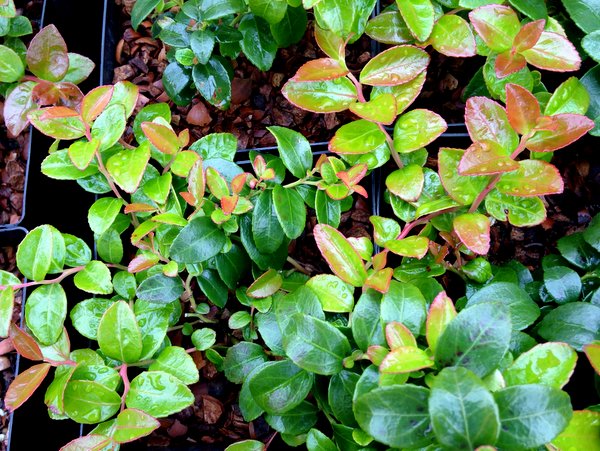

Midwestern native Hepatica whose name has been changed to Anemone acutiloba or some prefer Anemone nobilis var. acuta. We cling to Hepatica, kicking and screaming. These are from seed from the unparalleled collection at Ashwood Nurseries and are not wild collected plants. This has leaves with sharply pointed lobes and usually white but sometimes pinkish flowers sometimes well-displayed on erect stems above the leaves. Good plant for the woodland garden where it plays well with the early Trilliums, Cardamines and various early spring ephemera.

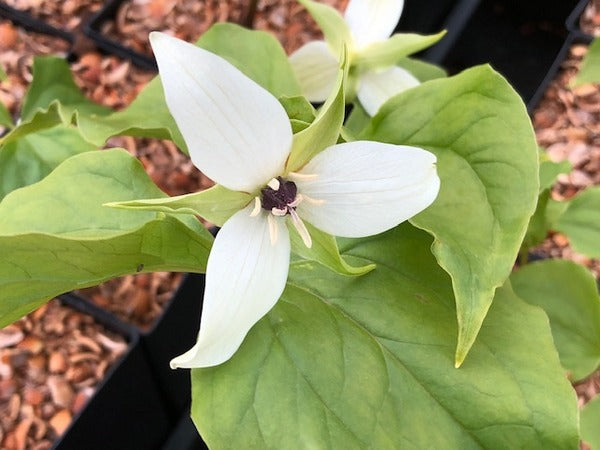
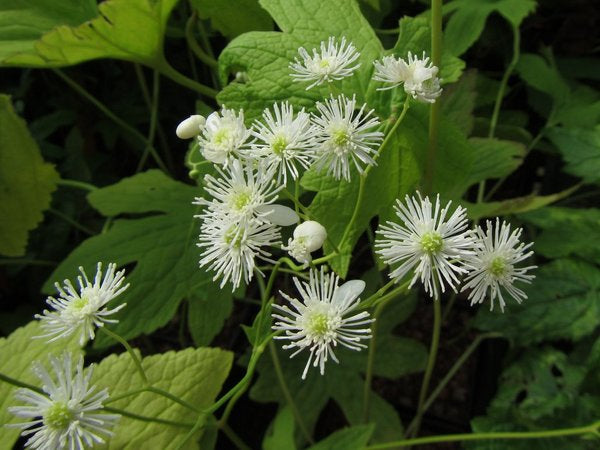
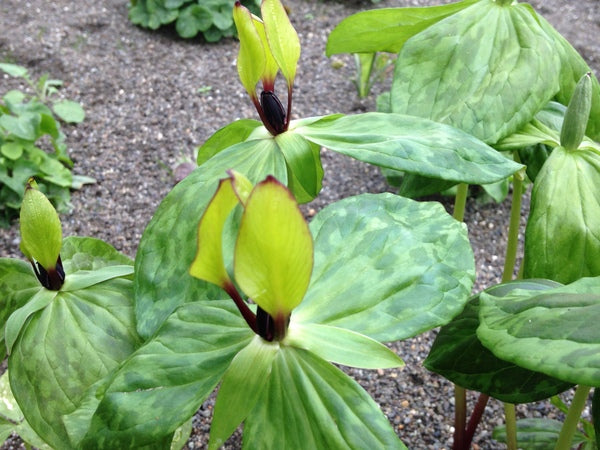
A newly described (2013) species found in..............wait for it.............Tennessee in just three locations. Incredibly rare and a very exciting find. These are seed grown from our plants, specimens used to describe the species and do not impact the wild population. Small yellow flowers with a maroon base. A Far Reaches Botanical Conservancy Offering. These are likely not flowering size. The good news is that they increase quite well vegetatively - we were pleasantly surprised when we lifted our plants and saw how much they increased.