Sort by:
75 products
75 products




Friends who bring you seeds are good friends, friends who bring you seeds from legendary South African seed supplier Silverhill are even better, luckily FRBC board member Cody Hinchliff falls into the latter. Very cool African butterfly bush with evergreen, glaucous silver-grey-green leaves and globules of fragrant purple flowers that are more rounded and bunched than their more commonly grown relatives. Rare in US cultivation but some have claimed suprising hardiness when given some protection to establish. An approachable way to check off another continent in your garden of the far reaches.
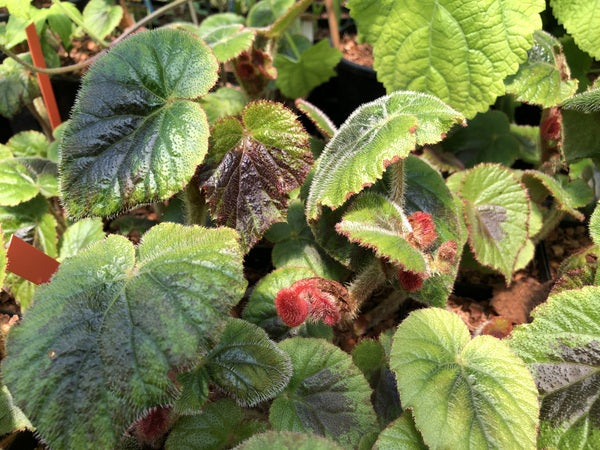
A collection of this rhizomatous species from Hunan by Dan Hinkley which has proven hardy thus far in mild PNW gardens when mulched during the short arctic blasts that keeps Seattle from growing the same plants as San Francisco. But for that one cold week we could be growing this Begonia under flowering Puya. Good leaves flowers not seen or perhaps more truthfully, not remembered but will go out on a limb and say pink or white.

Perhaps the most widely grown species of this genus rarely seen in the Northern hemisphere but much beloved by those in the know. This is due to its history of cultivation as an edible substitute to taters, but having seen the tubers myself I think I'll be stickin' to spuds. Also perhaps one of the hardier members with some making claims all the way down to 7b. However the range is large and varied in elevation, this Guatemalan collection as of yet remains untrialled. Ours go winter-dormant in the greenhouses which makes it a good candidate for pot culture anyway, coming out in the warmer months to twine its way upwards until it explodes into a glorious array of bright pink, lime throated flowers.


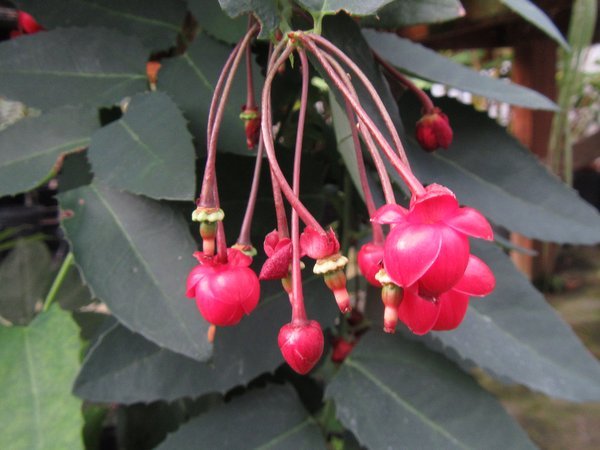
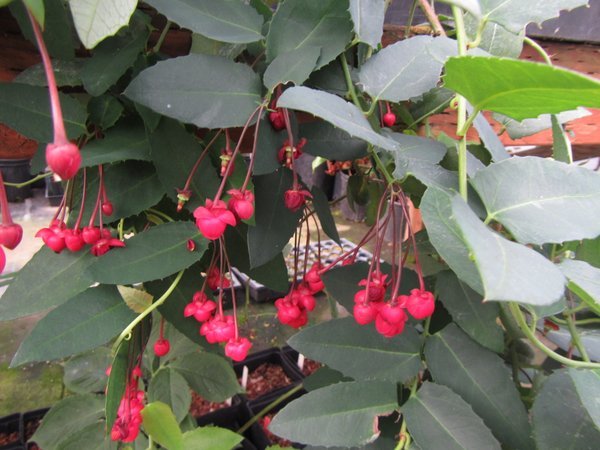
Bomareas make our head spin, in good and bad ways. I was pleased to find out recently that we aren't the only ones, apparently the non-twiners sometimes twine, and the number of flowers vary widely, as do the color patterns. So basically don't worry too much about keying this one out, instead sit back and enjoy the twirling petioles and tropical colored flowers at face value. This is another in a series of mystery Bomareas we received from friend Chen Hao, it's hard to pick a favorite! With the mystery comes mystery hardiness so please trial it for us, what we can say is full sun and a bit of moisture are welcome companions.
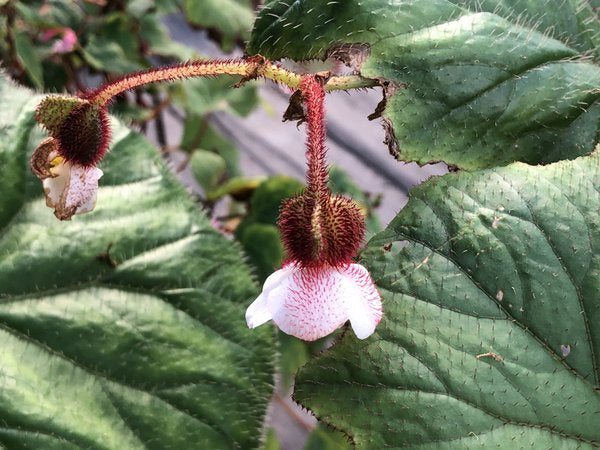
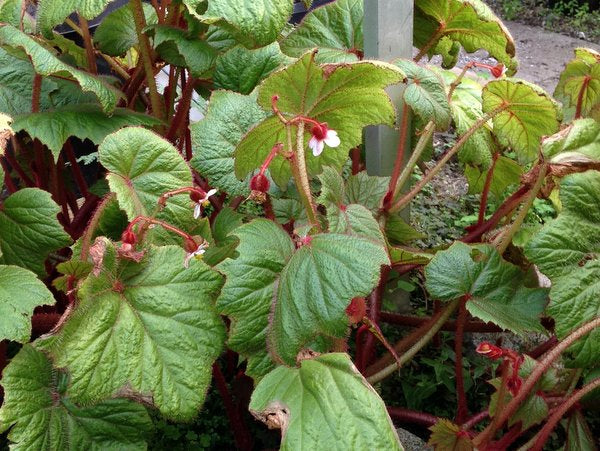
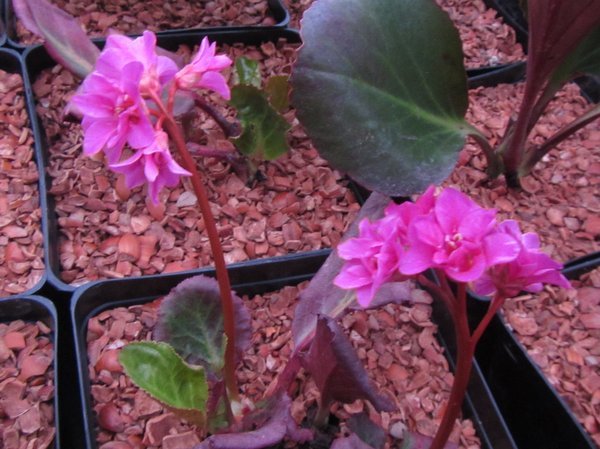

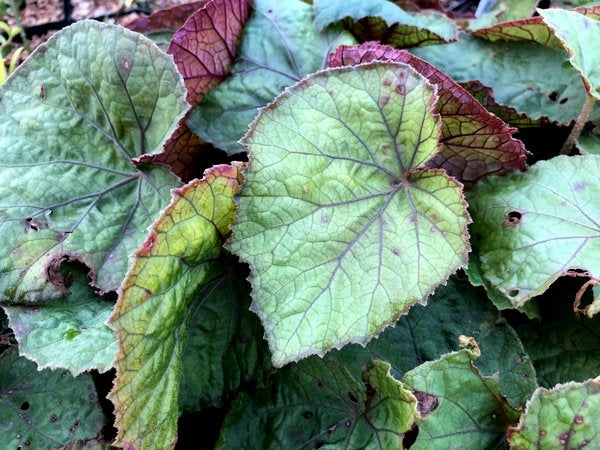
A Mexican species and rhizomatous type with leaves that while not as large as the namesake Heracleum do rival in it in incised shape, and far outdo it in leaf patterning with a edge spattered in a dark reddish black. Could prove hardy in mild Zone 8 climates!

Sunflowers are one of those iconic flowers that always seem to captivate and this Western US native bundles that bundle of symbology into a delightful little package of only about 2 ft tall that comes back every year. For those in the east this is like a Silphium in miniature. The all-edible composition also means that it was a useful food and medicine source for the local Salish peoples as well as other First Nations of the West Coast. It’s large range is evidence of its ease and adaptability so no need to be too fussy just pop this baby front and center and sit back to enjoy the sun.
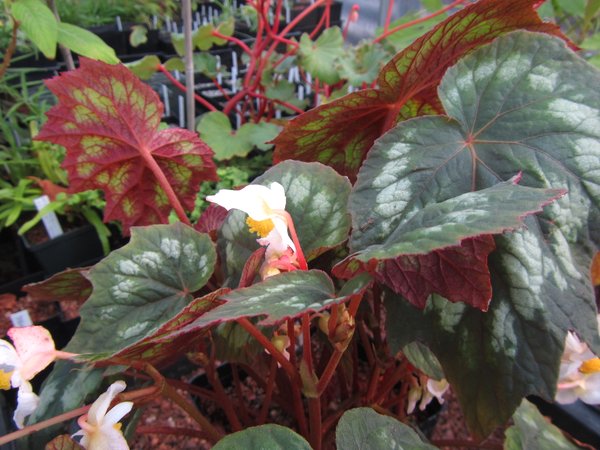
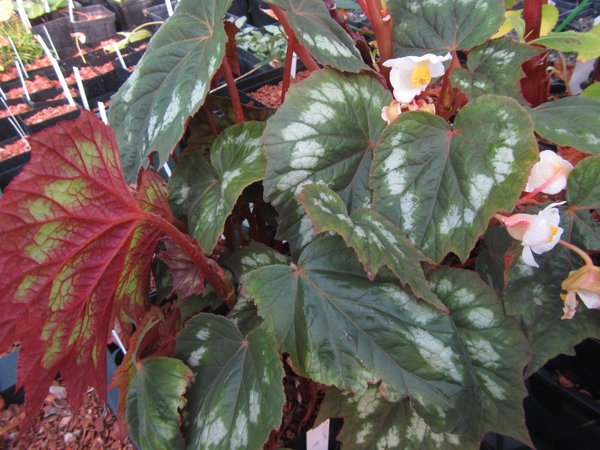
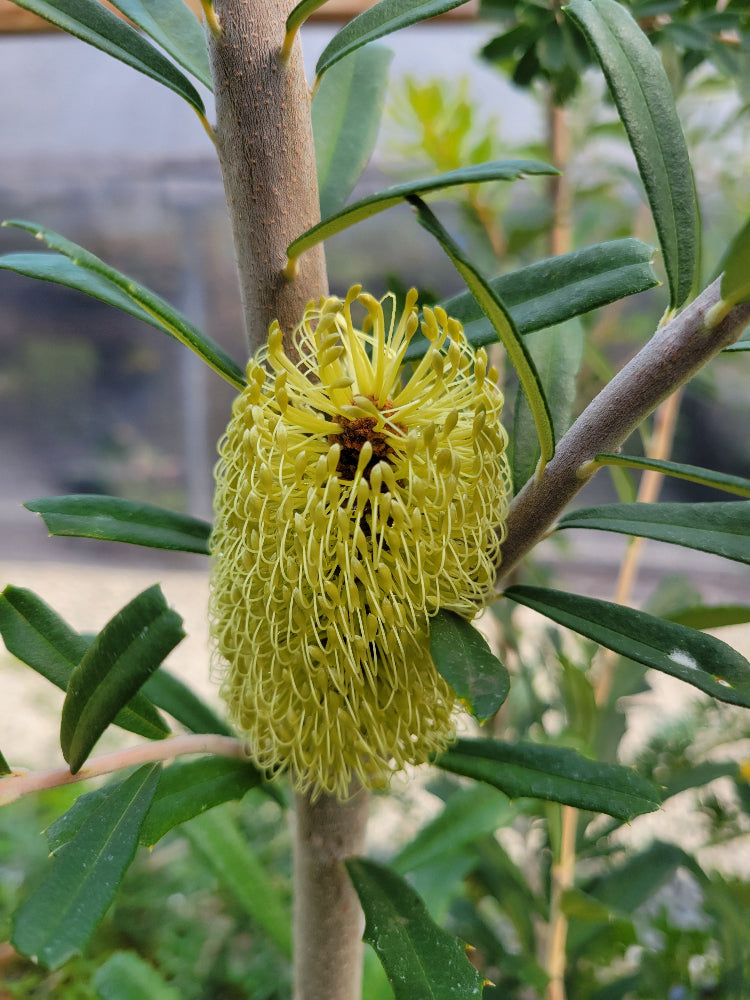
Proteaceae is a family of plant royalty with a loyal following, and for good reason the flowers of the group are often some of the most spectacularly otherworldly and botanically intricate of any in the plant kingdom. Unfortunately we here in the PNW are limited to a few choice species in an even choicer few genera. Generally this isn't thought to include the radical "cone"-bearing Aussie group Banksia though if ever there was a species to be tried here this is the one. We have heard rumors of successful specimens in Seattle and some of the coastal-est climes of the region. For those in the Bay just buy it and revel in the stamen-loaded goodness while we weep with envy. A sheltered sunny spot with as much heat as you can muster, with decent drainage and no phosphorous will give you the best chances.