Sort by:
1721 products
1721 products


A delightfully strange lesser-known dwarf Ericaceous gem. Sometimes referred to as bear-heath in reference to the wildly fringed interior of the fragrant yet unremarkable white flowers, just don't look (or smell) too closely or you'll meet with the long needle point of the leaves. The flowers are followed by spherical orange fruit which are apparently quite succulent! Would make a great deterrent to erring footfall in your treasured rock garden. Has proven hardy at Kew but given its New Zealand and Australian heritage likely best suited to milder gardens.


Beautiful Styrax from southern China and a nice infusion of new genetics to go along with the forms already in cultivation. Vigorous grower of pleasing habit and not overly large at 20'-25' with profuse white flowers of good size for this species. Small nut-like fruit follow the flowers. A favorite genus of ours.
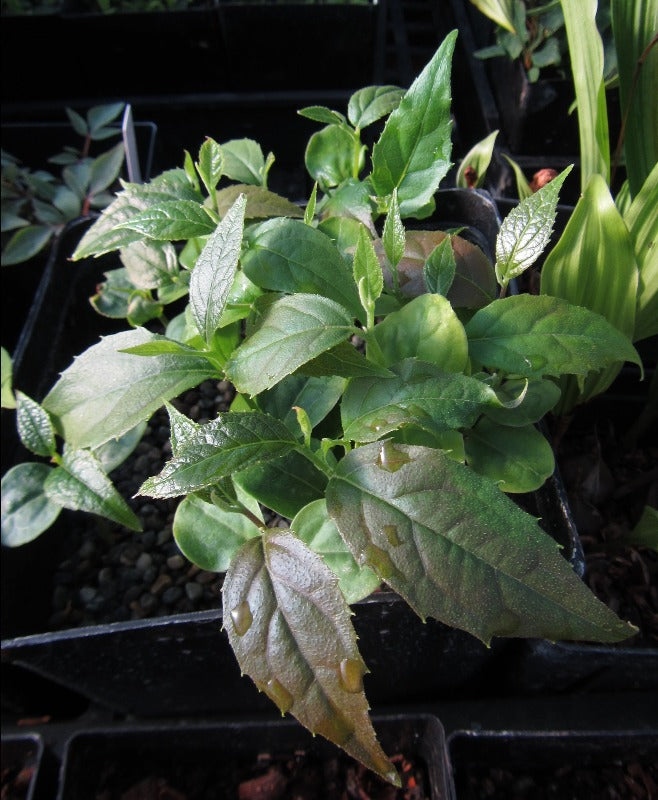



Stunning thin-leafed variant on the typical form of the species which usually sports leathery leaves perhaps 4X wider than this rare selection from the Witch Hazel Family, plus the new growth is a particularly good red. This does not seem as determinedly upright as the typical species so expect a multi-stemmed textural delight. Small yellowish flowers with reddish anthers in late winter won't stop traffic but are still darned welcome.
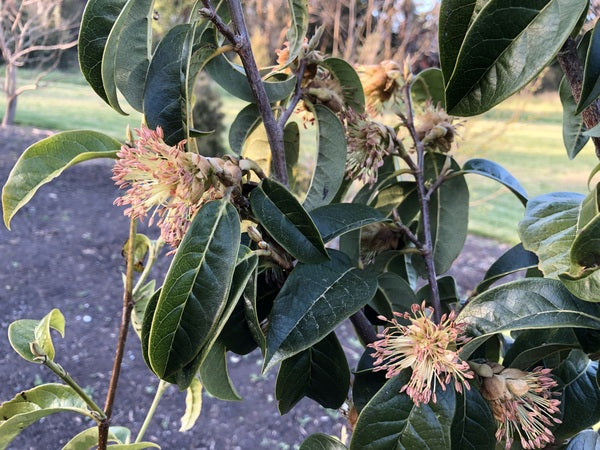
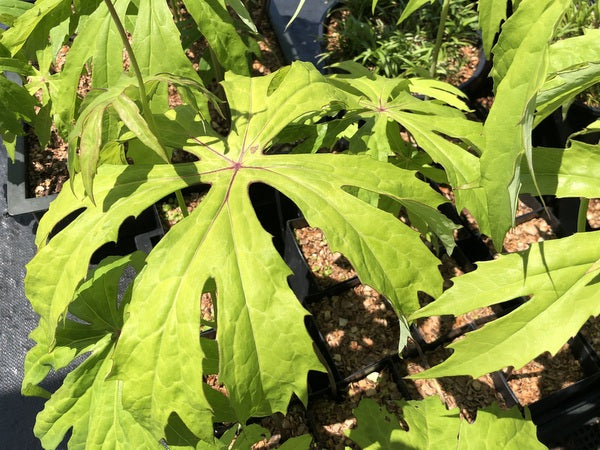
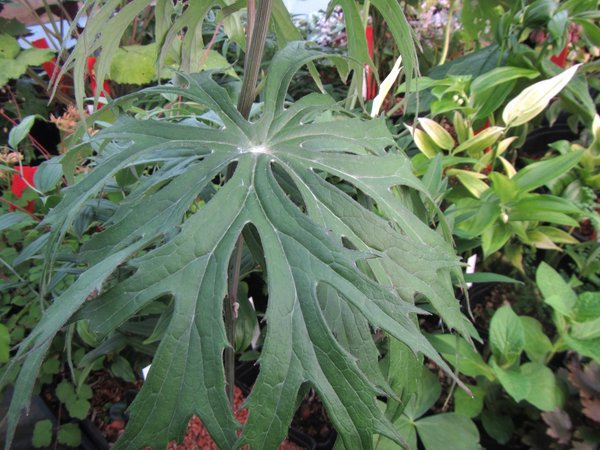
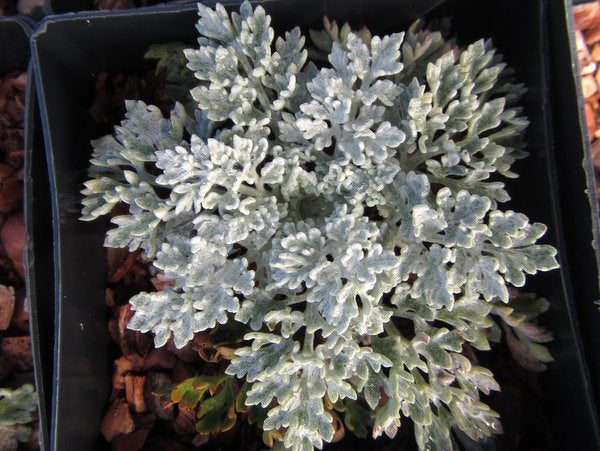






Waratah. This evergreen shrub in the Proteaceae hails from Tasmania and is a showstopper. Telopea is from the Greek telopos meaning “seen from afar” which perfectly describes the magnificent clustered red flowers quite unlike anything else we can grow here in the PNW and which are produced at the ends of gently ferruginous and leafy twigs. We were highly reluctant to chance planting out this hard-to-come-by beauty as we were quite sure our winter weather forays into 10F would be a terminal adventure. Were we ever wrong! It has come through the last 6 winters without a whimper and only a few nominal bits of leaf damage from the January 2025 Great Winnowing epic plunge. And deer resistant as if it needs further accolades – we have resolved to never garden without it. Sensitive to higher levels of phosphorous so go low in your NPK ratio. Some shade in hot sun areas.