
1721 products
Sort by:
1721 products


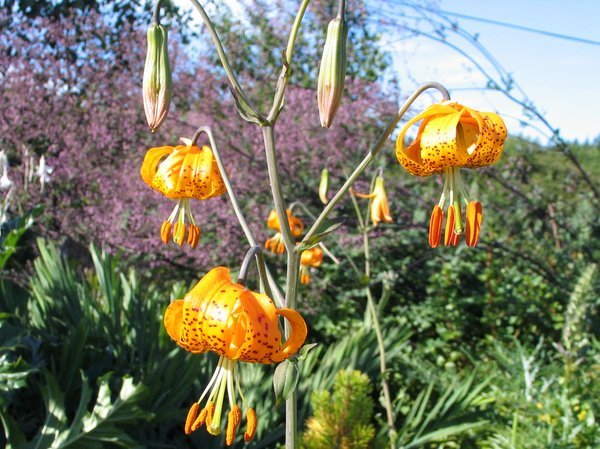
One of our favorite West Coast Lily native species, this can be found in southern Oregon where it often grows in associated plant communities with the Darlingtonia or Pitcher Plant. These are seed grown from a wild collection by Ron Ratko and are near or at flowering size. Red/orange Turk's Cap flowers.

The Klamath mountain endemic variant of the west coast leopard lily, here collected by Ron Ratko of Northwest Native Seed. The usual 2ft tall spotted turks caps but of a solid orange and with yellow anthers in this particular subspecies. A denizen of sunny wet meadows so give it a nice moist spot with some light.

California native Lily from a Ron Ratko seed collection. This has the small but glorious orange Turk's Cap flower with orange recurved petals darkly spotted. Haven't met a West Coast Lily yet that hasn't completely bewitched me. This one increases nicely from offsets.


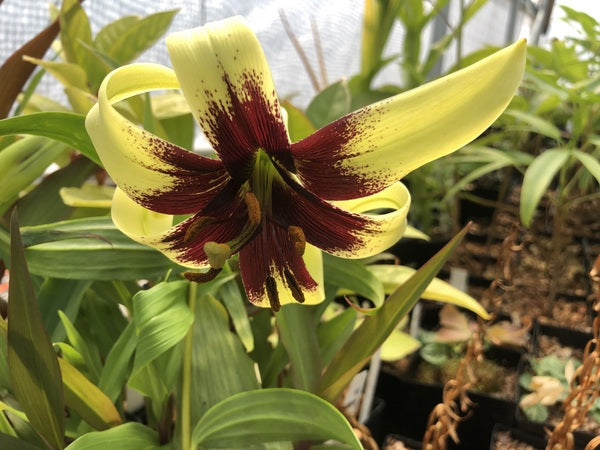

Gorgeously reflexed Lily set atop hefty stems that can reach upwards of 5ft with wine-red centers drifting out into the pale yellow ochre of the petal tips which lend it its artistic variety name. Second generation seed from a Floden Wynn-Jones expedition to Vietnam.


Our collection from North Vietnam of this fantastic species lily. We've sold others' collections for years so it's nice to finally be able to offer our own, and you really can't have enough of the 2-3' stalks of pale yellow flowers splotched in red. Said red splotch is less wine spill and more blood-spatter in this collection, that is to say more diffuse. Good vigor and ease which isn't always the case for species lilies.


"Otome-Yuri" maiden lily, is possessed of all the delicate charm and beauty the name suggests. A rarity endemic to the Tohoku region of Japan and much celebrated both locally and abroad. The flowers are of a sublime soft pink (the picture is a bit deceiving here) and the plant stays relatively small at 1-2ft. I love her, please care for her as I do. Full sun and well drained soil reminiscent of its alpine home.


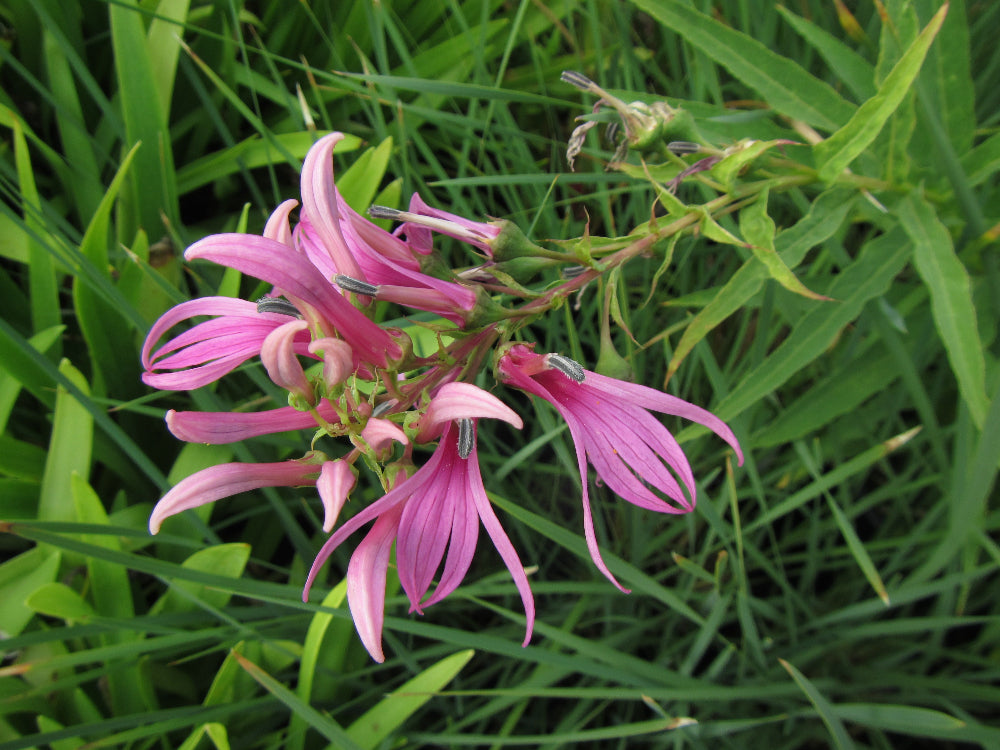
Endemic to a small region of central Chile, and vulnerable in the wild, this is like the rare collectible variant of Lobelia tupa, with much the same habit and cultural requirements, meaning full sun and decent drainage, especially in the face of winter wet. The flowers present as a flurry of frilly pink corollas that conjure images of the fabulous tails of tropical birds, honed for years by evolution to attract flirtatious females. The flirtation here is with hummingbirds, endowed with the perfectly adapted slender beaks; or with coastal climate gardeners endowed with the perfect mild winters. Likely slightly less hardy than L. tupa and will be reset to the ground each winter. These are from wild seed collected by FRBC board member and botanist Cody Hinchliff.


Amazing Chilean Lobelia that is perfectly hardy here if you mulch it during nasty cold snaps. This is one of those perennials that when you see it grown well and you aren't familiar with it, has an almost concussive visual impact. Even when you do know it well, it still seems like a freak of nature it is so beautiful. This gets multiple stalks to 7' high with spires of tubular red flowers for 6-8 weeks which beckon hummingbirds from afar. Highly dramatic and surprisingly easy given good drainage. This grows in sandy areas in Chile so drainage is key. These are from wild seed collected by FRBC board member and botanist Cody Hinchliff. We preserve the cf. here only because we haven't yet flowered this collection but are fairly sure it's tupa.
