Sort by:
1721 products
1721 products
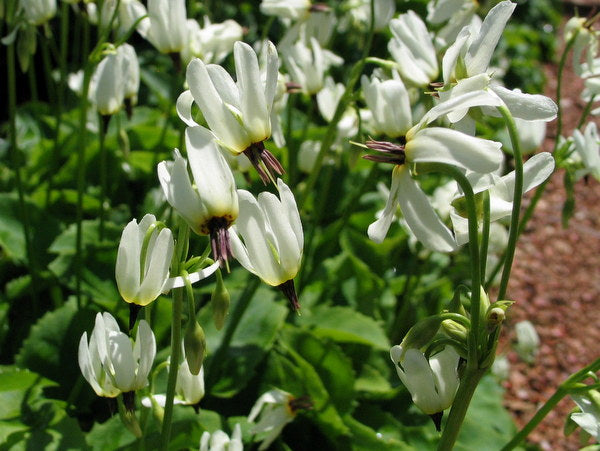

Chatham island endemic, arborescent, Ericaceae. For those who haven't already slammed the add to cart button, these are found only on one small New Zealand coastal island group and boast extremely unique juvenile foliage comparable only to the supreme Dragon Blood Tree (Dracaena draco) from South Africa, thus the heavy metal dragon-leaf name. These spiky tufty columns of leaves eventually develop into trees with a sprawling wind-blown habit and a plethora of blade-like leaves. These are cutting-grown from wild collections made for the Pacific Connections garden project at the Washington Arb. Grows in rich peat or bog areas in habitat so something acidic, loamy and consistently moist should suit it just fine.
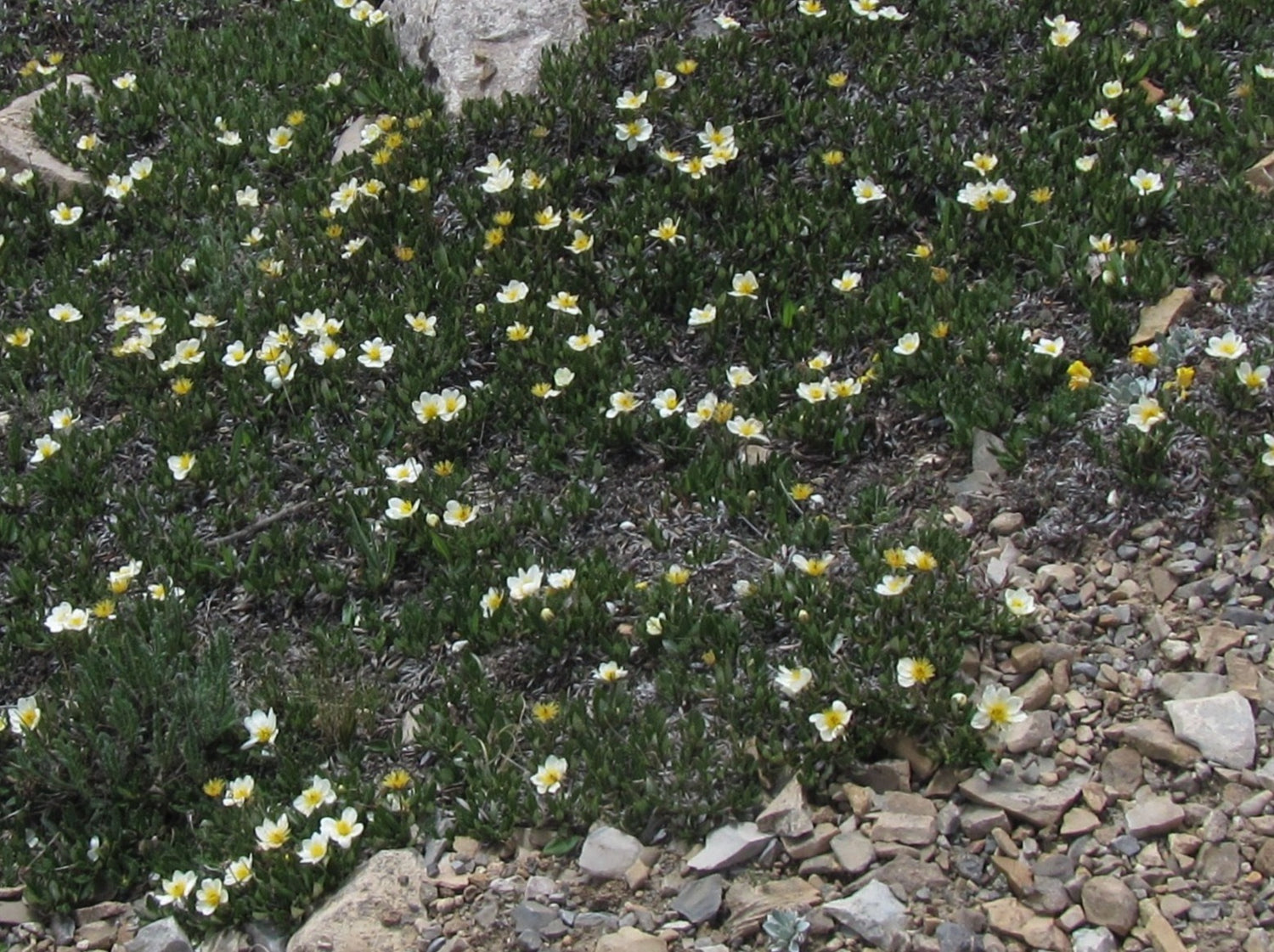
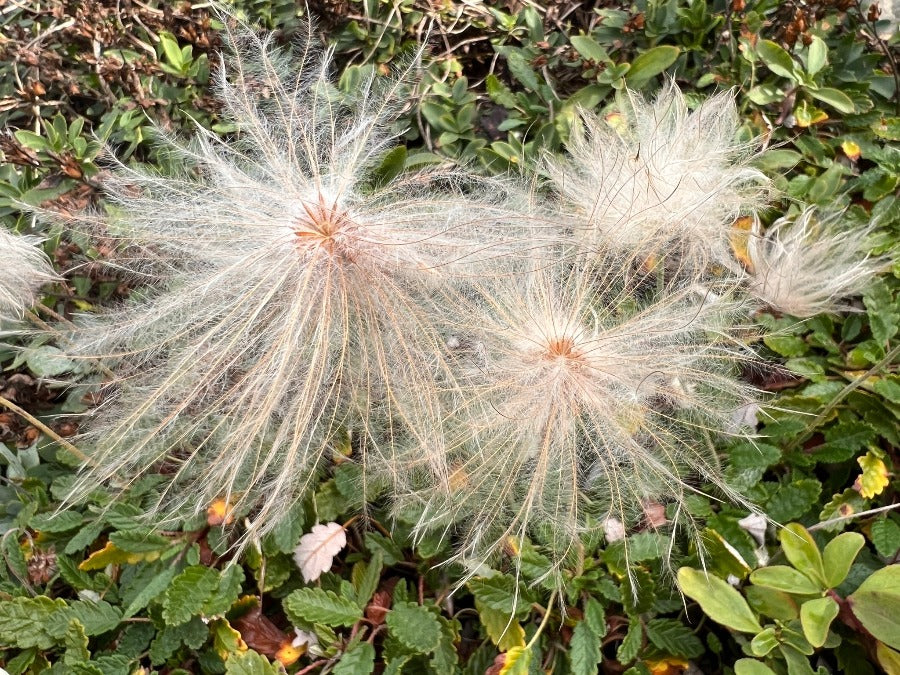

Blessed be the zone-pushers who find the members of groups generally thought to be unavailable to those not in the tropics which can manage in our temperate world. Drynaria, or basket ferns are a fascinating group that produces dry, skeletal basal fronds which are designed to collect detritus. This offers them enhanced nutrition usually provided by soil contact, which they often don't have as they grow on tree trunks or rock faces. Unfortunately this can usually only be observed in glasshouses leaving many plant-lovers and even fern fanatics unaware of its wonder. No longer we say! This Chinese species is surely among the hardiest of the genus, with proven survival in the UK and North Carolina. The closest thing you will get to a hardy staghorn, and certainly something you won't find in a friend's garden.
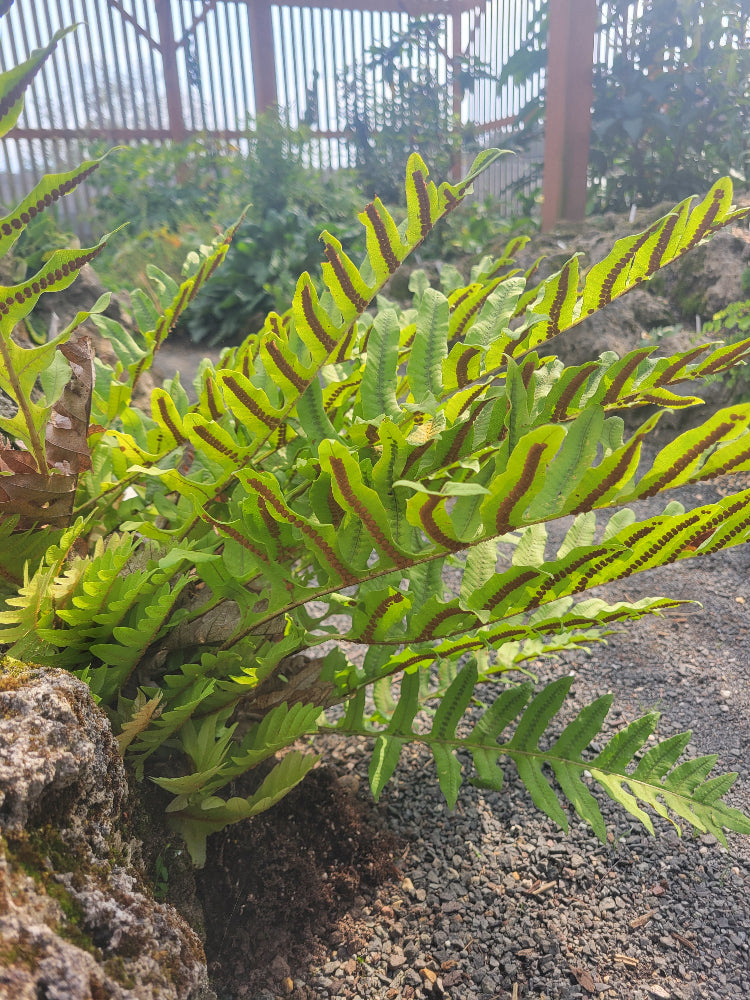
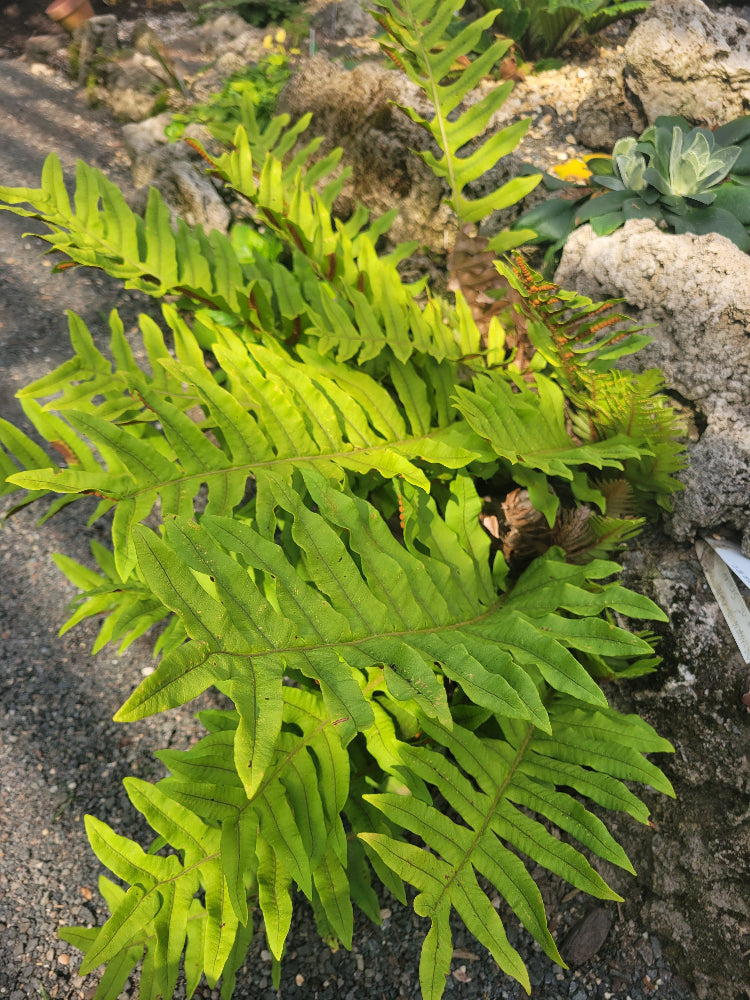
This basket fern was fairly coating the host tree from whence it was collected on the slopes of the ominously named Daheishan or black mountain in Sichuan. This has shown good vigor in pots and has also proved hardy outside in our tufa wall thus far, shockingly good performance for this usually tropical genus! Desirous of good drainage and a bit of room for its chunky rhizomes. The green fertile fronds will go dormant during winter leaving the skeletal sterile basal fronds to collect food for next year.
A Far Reaches Botanical Conservancy


Our collection from Vietnam of this fascinating epiphytic genus. This was growing on a tree trunk on a small limestone ridge populated by a mix of frost-tolerant and frost-intolerant species. The hardiness of this remains to be tested here - maybe a warm zone 8b? - it made it through the admittedly mild first winter here so at least some frost hardiness. Excellent drainage is likely key to improved hardiness and ours is in a tufa wall. Spreads by creeping rhizomes and has dimorphic leaves with persistent basal fronds and fertile foliage fronds though only the latter have been produced on ours thus far.
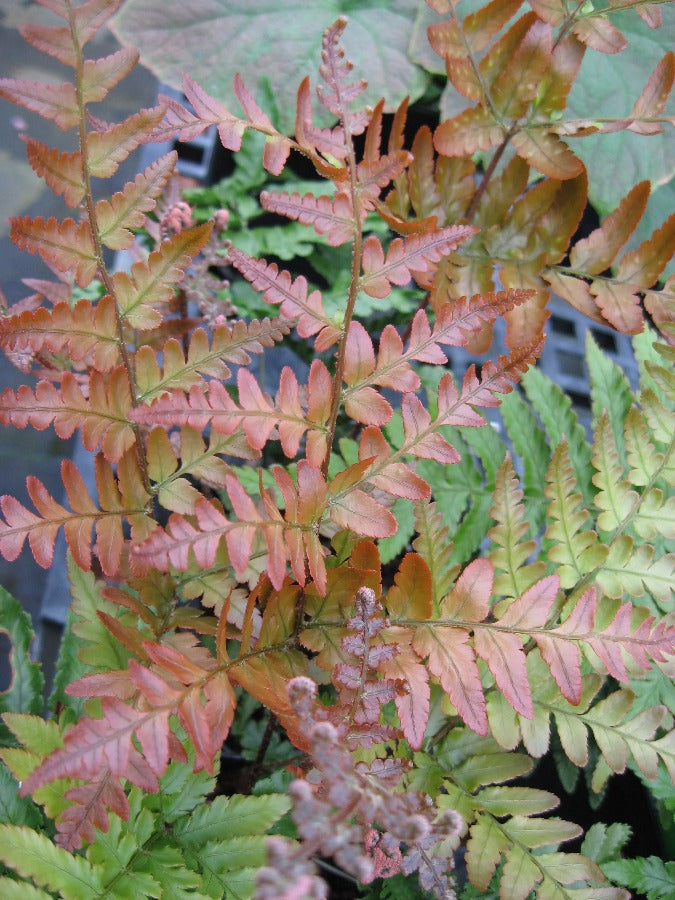

Even among the fern-enthused Dryopteris can sometimes have a bad reputation for same-iness. However if there is one stand-out member this is the one, looking totally unlike what you expect from the genus and rivalling even the tropical ferns of your dreams. Thick blue-green dactyloid fronds that will slowly spready but never truly become dense, making it a great accent plant to thread through your woodland stand-bys. Shockingly hardy down to Zone 6b and evergreen above 5F.

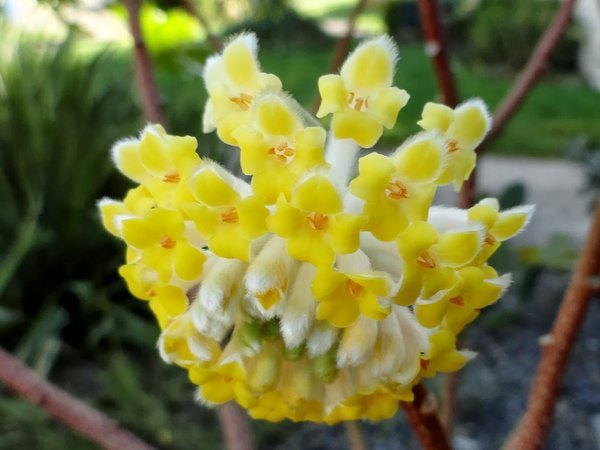
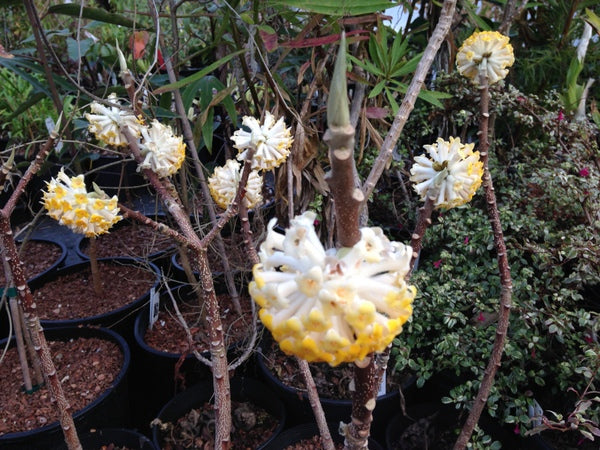
When ethnobotanical and ornamental interest collide it's always a plant worth investing in, and this one hits high marks in both categories. The common name paperbush refers to the use of the plant in making paper, notably that used in Japanese banknotes. Meanwhile the specific epithet of chrysantha foreshadows the unique clusters of early-blooming tubular yellow flowers with an incredible scent. Add to that the gently arching candelabra-like form and I can't see why this isn't in every garden possible.

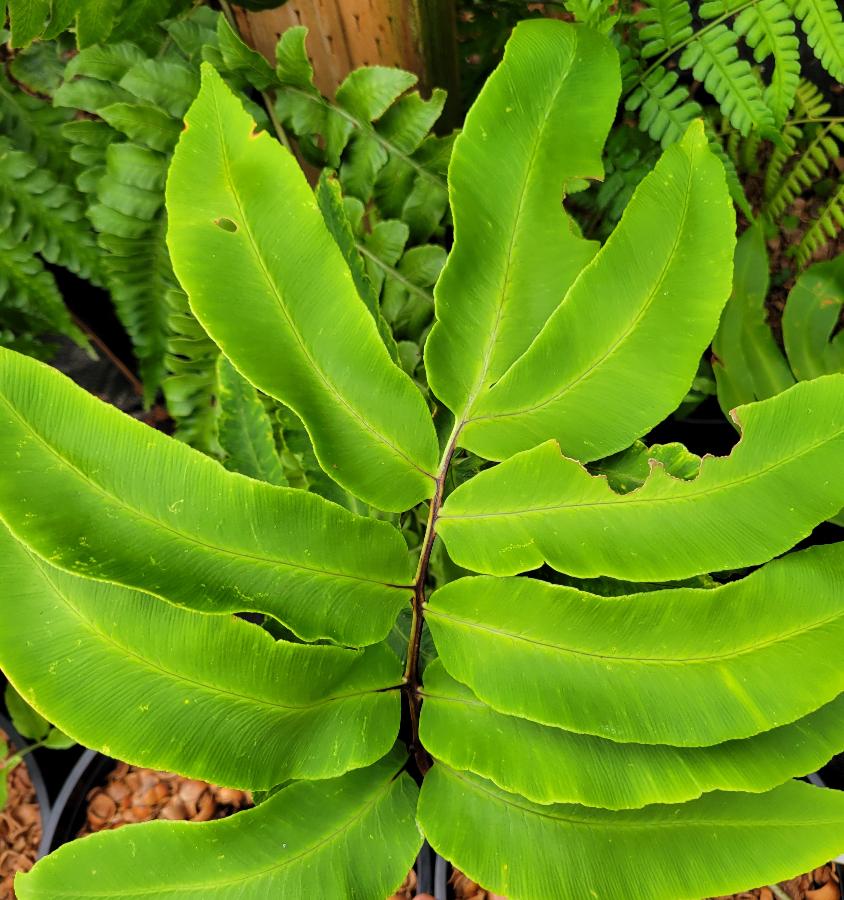
A very rare member of this famously lustrous fern genus, this species is found only in two provinces of China. Possessed of delightfully round fronds that never fail to elicit cries of "that's a fern!", and that each with their glossy, pebbled texture look very much like fallen scales of some great dragon or dinosaur. The magic continues when the acrostichoid sporangia emerge, cloaking the entire back surface in what looks like fine black soot. Flora of China describes the rhizomes as long creeping but this hasn't been the case for us thus far as they have plodded along with small clumps with only a few new leaves at a time. We recently planted this out in our tufa wall and it already shows signs of increased vigor though so perhaps it just dislikes the confines of black plastic. Cold hardiness to be determined but we feel good about its chances in the PNW, a rocky substrate is desirable and a touch less moisture than most ferns.


Chilean Fire Tree. One of the most dramatic plants for our area. This requires our cool and moderate climate where it can become a 20' + narrow deciduous tree that is usually multi-trunked. In late May and June, this is a tower of blazing red-orange tubular flowers and you will get little else done other than answering questions from the neighbors about just what is that tree and eventually there will be strangers knocking on your door inquiring and if you plant a grove then there is the inevitable issue of tour buses with which to contend. Best protected from freezing winds, ours is fully exposed to such but we wrapped the trunk the first few years when we dropped into the teens but now we just give it tough love and do nothing. Being in the Proteaceae, they don't enjoy phosphorous so be careful what you fertilize them with - it is the P in the NPK ratio to which they are allergic. Rather than think too hard on it, we just ladle some dairy manure around our plants in early spring.

We have long sold the iconic Chilean fire tree but are delighted to finally offer some of wild origin, thanks Cody! The reasons for this are twofold, one we always prefer wild-origin material due to its usefulness to botany, science, and conservation but also because we have observed a fair bit of variation in the Embothrium we have seen in Chile. That same variation is rare or non-existent in cultivation so we hope to begin remedying that, with your help of course! This collection hails from the banks of Lake Llanquihue and has wider leaves compared to its sister collection CEH 2442 but are relatively similar to the standard in cultivation.
Being in the Proteaceae, they don't enjoy phosphorous so be careful what you fertilize them with - it is the P in the NPK ratio to which they are allergic

We have long sold the iconic Chilean fire tree but are delighted to finally offer some of wild origin, thanks Cody! The reasons for this are twofold, one we always prefer wild-origin material due to its usefulness to botany, science, and conservation but also because we have observed a fair bit of variation in the Embothrium we have seen in Chile. That same variation is rare or non-existent in cultivation so we hope to begin remedying that, with your help of course! This collection hails from near the town of Valdivia, which shares its name with the incredible Valdivian rainforest ecosystem, and is distinguished by being unusually narrow leaved.
Being in the Proteaceae, they don't enjoy phosphorous so be careful what you fertilize them with - it is the P in the NPK ratio to which they are allergic

A clone of black crowberry we received from the late Captain Steele of Bayport Plant Farm in Nova Scotia. Unfortunately with the passing of Captain Steele we no longer have a way of ascertaining the finer points of this plant, nor the origins of its name. So if you know let us know! What we do know is that this low mounding Ericaceous shrub with its glossy black edible berries (requiring another clone) makes an excellent woodland or alpine groundcover!
