Sort by:
1721 products
1721 products


Perhaps the most widely grown species of this genus rarely seen in the Northern hemisphere but much beloved by those in the know. This is due to its history of cultivation as an edible substitute to taters, but having seen the tubers myself I think I'll be stickin' to spuds. Also perhaps one of the hardier members with some making claims all the way down to 7b. However the range is large and varied in elevation, this Guatemalan collection as of yet remains untrialled. Ours go winter-dormant in the greenhouses which makes it a good candidate for pot culture anyway, coming out in the warmer months to twine its way upwards until it explodes into a glorious array of bright pink, lime throated flowers.

Perhaps the most splendid yet in our little collection of these enigmatic little South American Peruvian lily relatives. This one comes to us from Ecuador via plant friend Chen Hao. The flaming red and orange flowers were something to behold in their inaugural appearance and are worth bending over backward like the resupinate leaves to lay eyes on. Likely vigorously vining where it can overwinter well, hard to say where that might be, anything less than Zone 9 is potentially a gamble but please report to us any positive results!


Bomareas make our head spin, in good and bad ways. I was pleased to find out recently that we aren't the only ones, apparently the non-twiners sometimes twine, and the number of flowers vary widely, as do the color patterns. So basically don't worry too much about keying this one out, instead sit back and enjoy the twirling petioles and tropical colored flowers at face value. This is another in a series of mystery Bomareas we received from friend Chen Hao, it's hard to pick a favorite! With the mystery comes mystery hardiness so please trial it for us, what we can say is full sun and a bit of moisture are welcome companions.


*STRICT LIMIT OF 1 PER CUSTOMER*
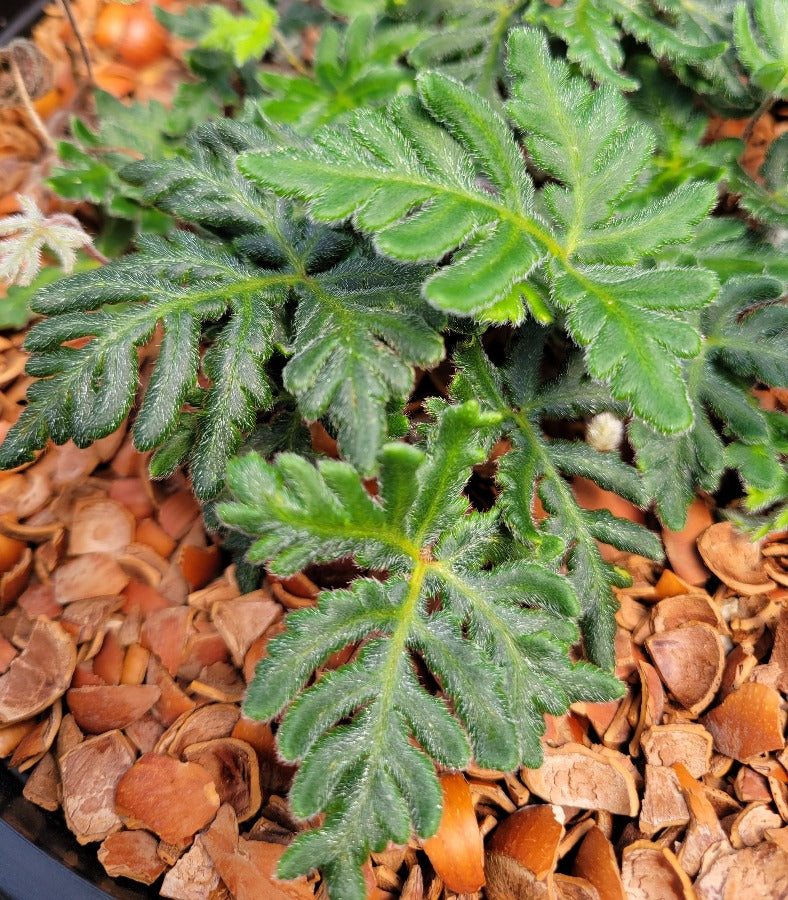
Chameleon Vine. Crazy evergreen vine from the temperate forests of Chile and Argentina which only very recently was found to mimic the plants upon which it grows. The leaves increase or decrease in size, get darker or lighter, broader or narrower depending on its host or nearby plant. Flowers are insignificant on this science project.
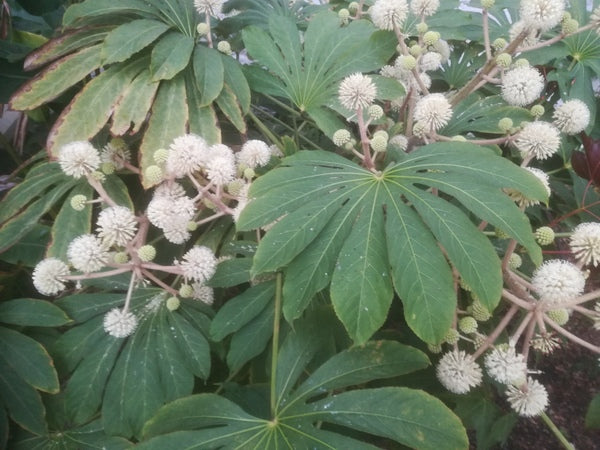
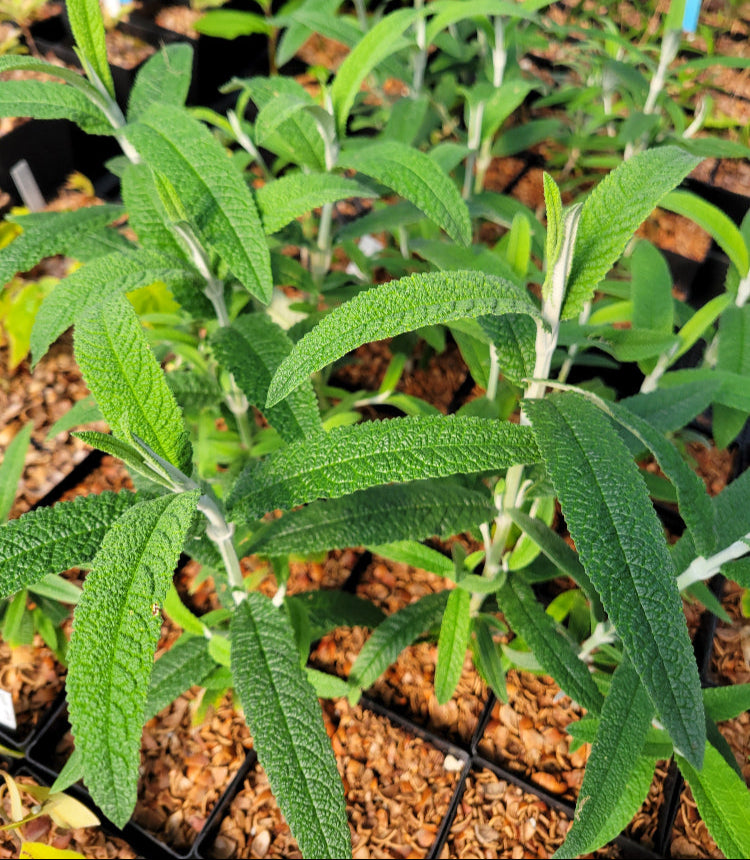
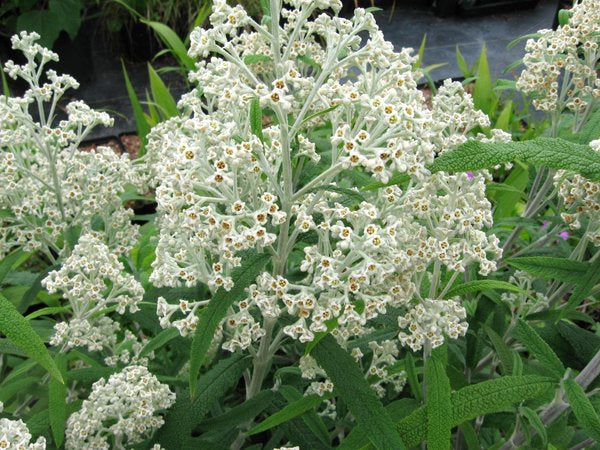


Friends who bring you seeds are good friends, friends who bring you seeds from legendary South African seed supplier Silverhill are even better, luckily FRBC board member Cody Hinchliff falls into the latter. Very cool African butterfly bush with evergreen, glaucous silver-grey-green leaves and globules of fragrant purple flowers that are more rounded and bunched than their more commonly grown relatives. Rare in US cultivation but some have claimed suprising hardiness when given some protection to establish. An approachable way to check off another continent in your garden of the far reaches.
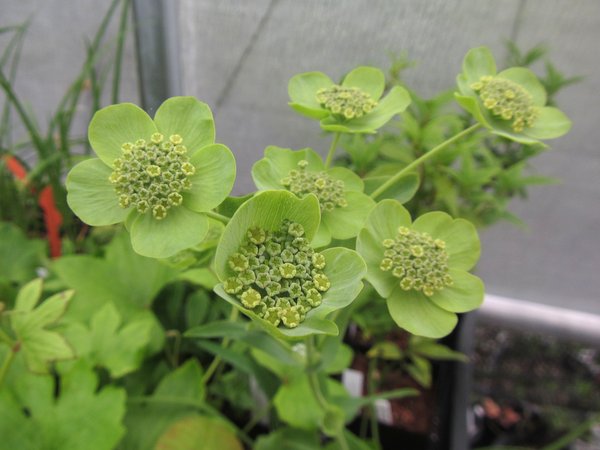

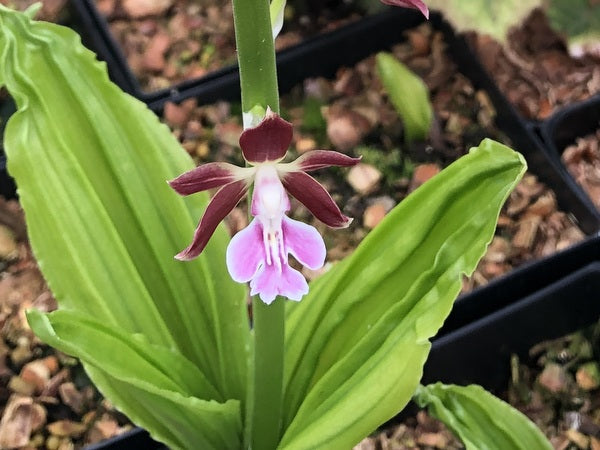


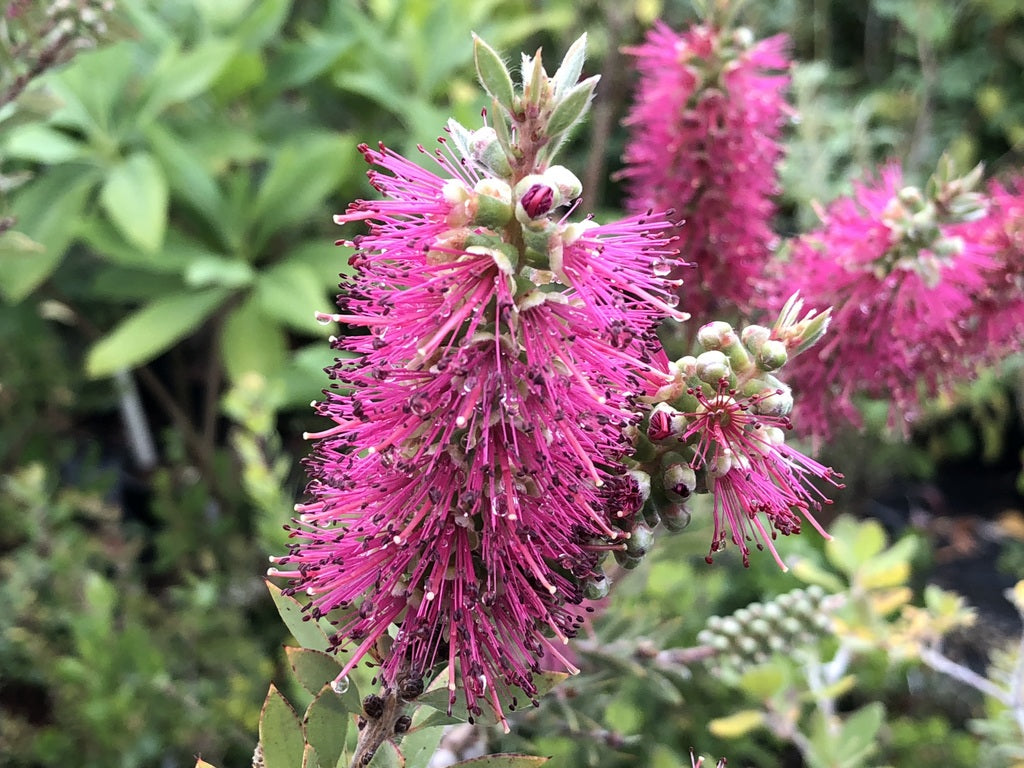
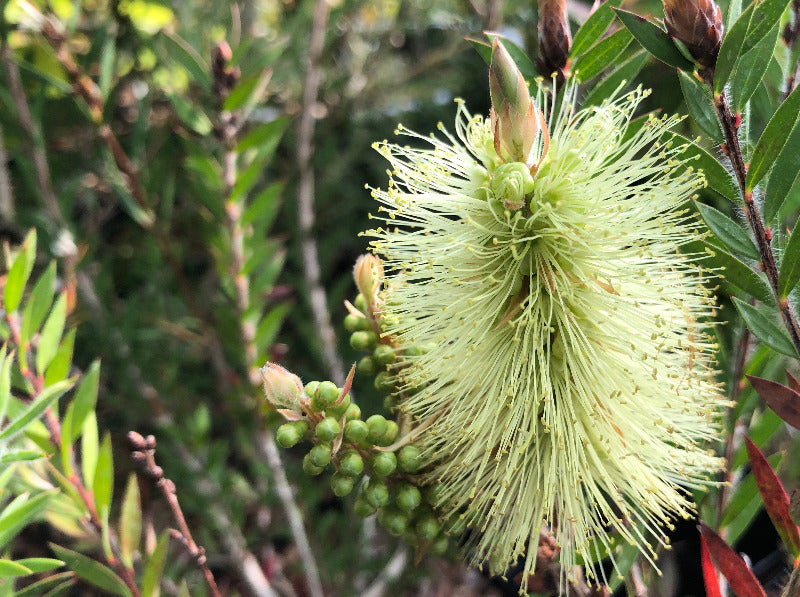
The flowers on this Australian bottlebrush are not for the faint of heart, while mildly referred to as lilac the screaming pink flowers are quite the statement, luckily the muted green to blue-green needle-like leaves pair very well providing a stolid year round grounding to its summertime rave scene excesses. Truly a fantastic group of shrubs that should be seen more in a vein similar to its oft-desired countrymen Grevillea especially in increasingly hot, dry, and/or deer-ridden areas. Let this be the bright colored scion to extoll the many virtues of its brethren. Hardy and adaptable in zone 8 and higher but potentially doable in colder climes if you don't mind a reset and reshoot every once in a while on the harsher years.
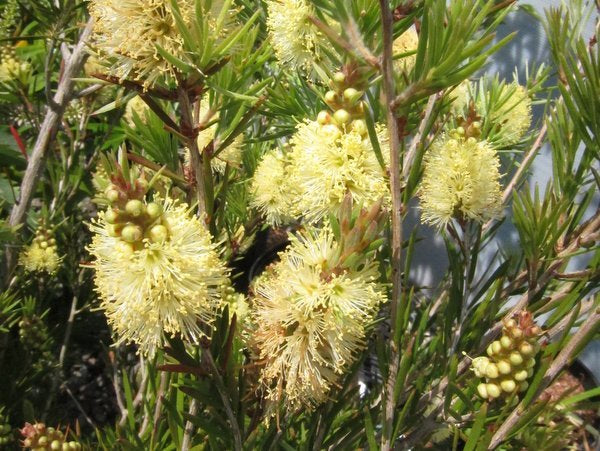

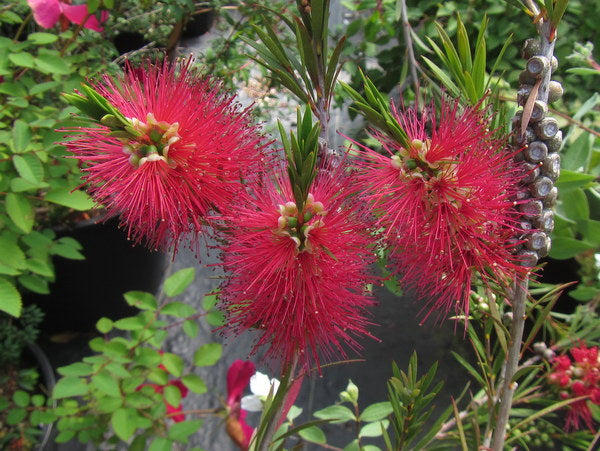
One of the hardiest Bottlebrushes to 10F with the added benefit of having red flowers. In growth, this tends to have graceful arching branches which softens what can sometimes be a rigid look to Callistemon. Not that that is a bad thing but this looks a bit more cuddly. This grows on stream banks in Australia and can take quite wet spots but is also tolerant of dry. Deer proof!